Physical Address
96B Grimmer Road, Hamilton Waikato 5810
Physical Address
96B Grimmer Road, Hamilton Waikato 5810

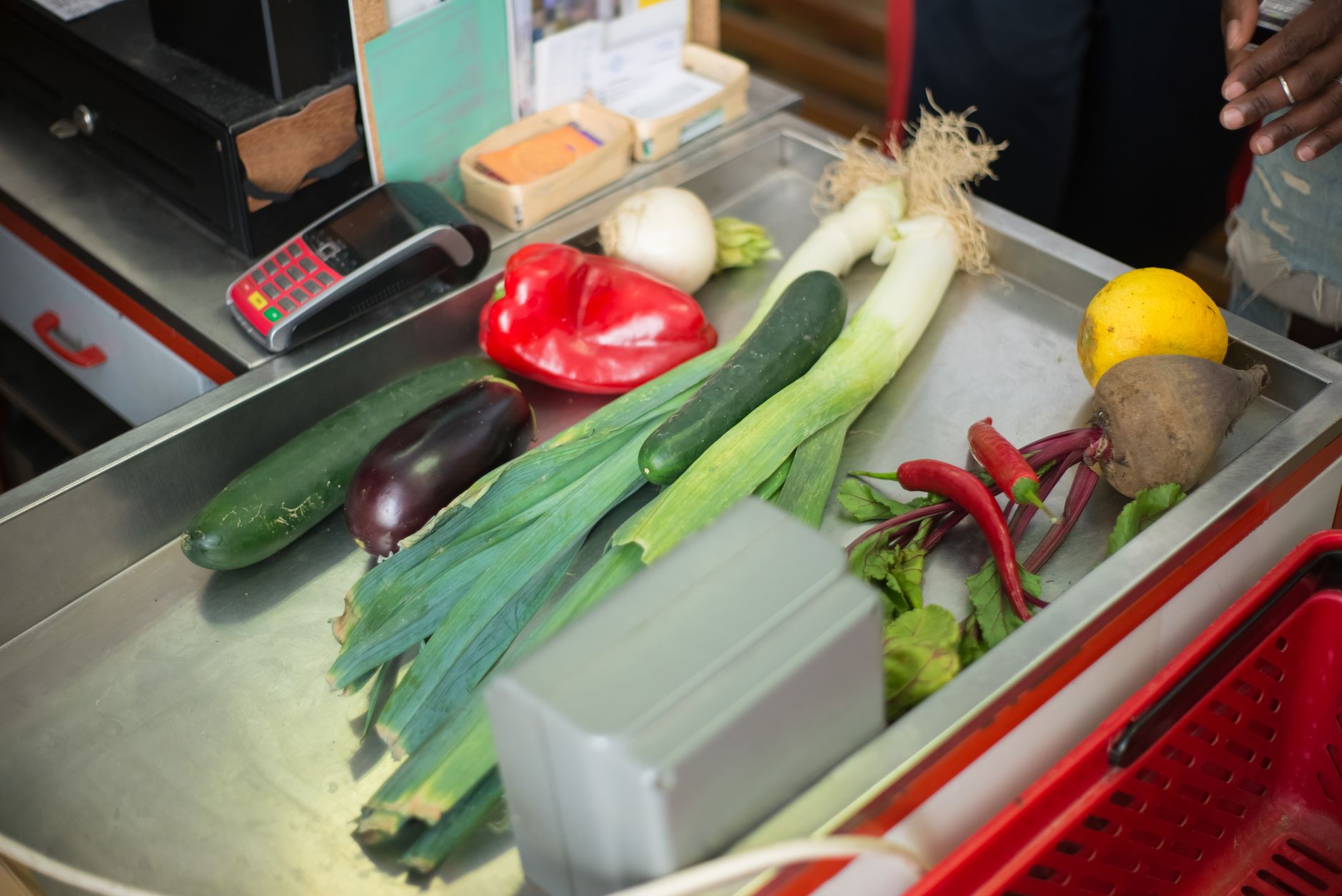
Grocery relief has arrived as New Zealand's annual food inflation fell to 1.9% in July 2026. Discover which produce, meat, and staple prices dropped the most and how Auckland families can save.
New Zealand households are finally seeing much-needed relief at supermarket checkouts as official data reveals annual food price inflation dropped to 1.9% in July 2026. This significant slowdown marks a welcome turn after years of relentless grocery price spikes that squeezed family budgets across Auckland and the wider country.
The decline in overall inflation has been largely driven by key staple categories, particularly fresh produce and protein, providing immediate breathing room for grocery shoppers.
Improved growing conditions and lower transport costs across the North and South Islands contributed to substantial drops in fruit and vegetable prices.
Lower feed costs and rebalanced export market dynamics have trickled down to domestic shelves.
For Aucklanders navigating high mortgage rates, rents, and public transport costs, a 1.9% food inflation rate brings structural stability back to monthly expense planning. While absolute price levels remain higher than pre-2022 benchmarks, the rate of growth is now comfortably within the Reserve Bank of New Zealand’s target inflation band.