Physical Address
304 North Cardinal St.
Dorchester Center, MA 02124
Physical Address
304 North Cardinal St.
Dorchester Center, MA 02124

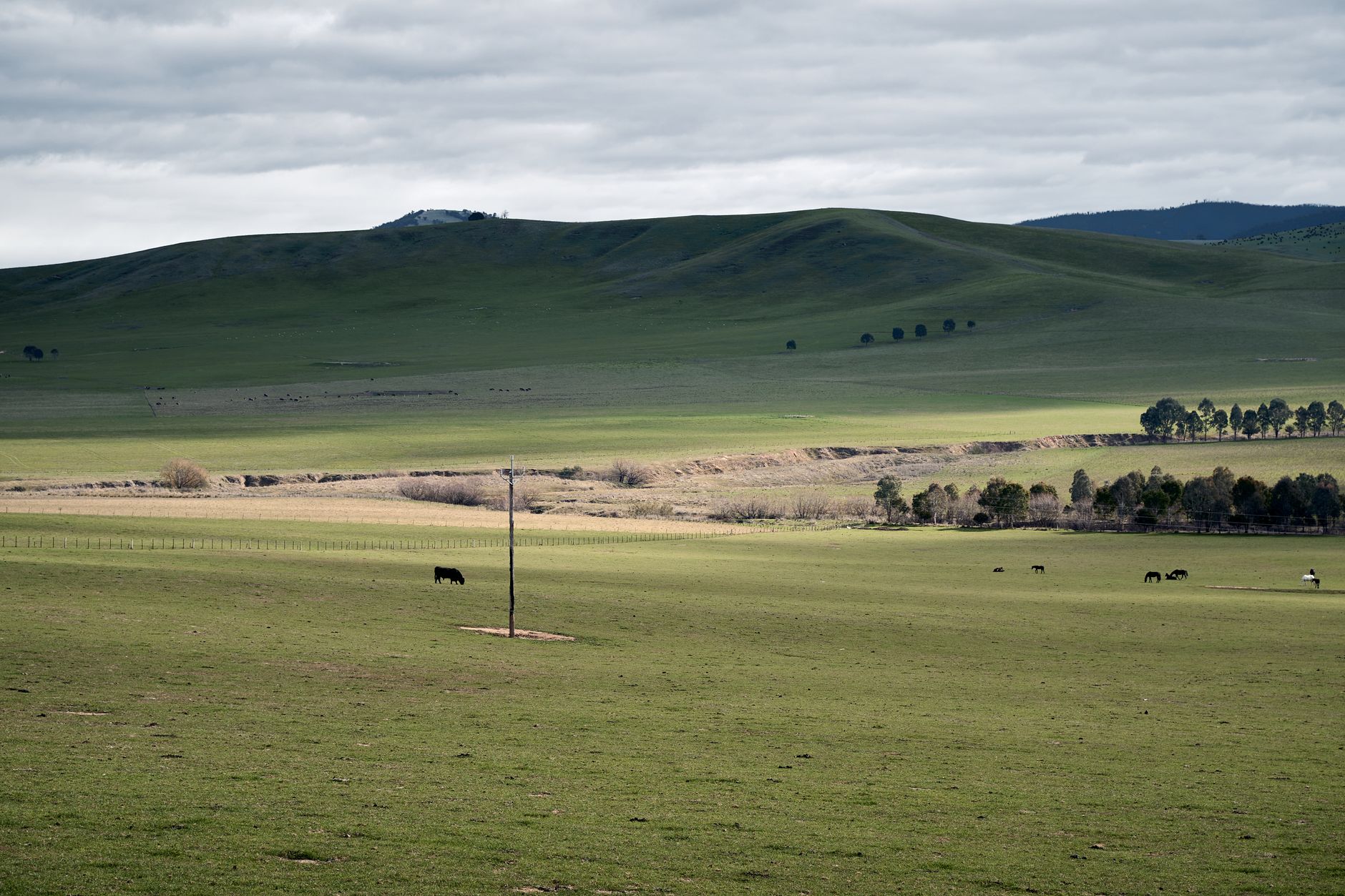
An in-depth look into how Donald Trump's proposed 2026 trade tariffs could impact New Zealand beef exports, local farmers, and domestic meat prices.
As Donald Trump prepares to implement sweeping new tariff policies in 2026, New Zealand’s agricultural sector is bracing for potential economic turbulence. Historically, the United States has been a premium, high-value destination for New Zealand beef, particularly grass-fed lean beef used in manufacturing burgers. The threat of broad-based tariffs—ranging from 10% to 20% on all imports—has sent ripples of concern from the paddocks of Waikato to the boardrooms of Wellington.
New Zealand is one of the world’s largest exporters of red meat, and the US represents a vital market. Kiwi farmers pride themselves on producing sustainable, high-quality grass-fed beef that aligns perfectly with the demands of health-conscious American consumers. If the proposed 2026 Trump tariffs are enacted, the cost of importing this premium product will rise sharply, forcing US fast-food chains and retailers to either absorb the cost or pass it on to consumers.
For New Zealand farmers, the potential trade barriers present several immediate threats:
One silver lining for domestic shoppers in Auckland and across New Zealand could be a temporary drop in local meat prices. If exporters find it too costly to send premium beef to the US, a larger volume of high-quality meat may remain in the domestic market. However, economists warn that this short-term benefit for Kiwi consumers could be offset by long-term economic instability in the agricultural sector, which is a major driver of New Zealand’s GDP.
As the trade landscape evolves, New Zealand trade negotiators and industry bodies like Beef + Lamb New Zealand are working behind the scenes to advocate for exemptions. Because New Zealand operates under high environmental and labor standards, officials hope to make a case for why Kiwi beef should not be subjected to the same punitive measures aimed at other geopolitical rivals. Only time will tell if these diplomatic efforts will shield New Zealand’s red meat sector from the impending tariff storm.