Physical Address
304 North Cardinal St.
Dorchester Center, MA 02124
Physical Address
304 North Cardinal St.
Dorchester Center, MA 02124

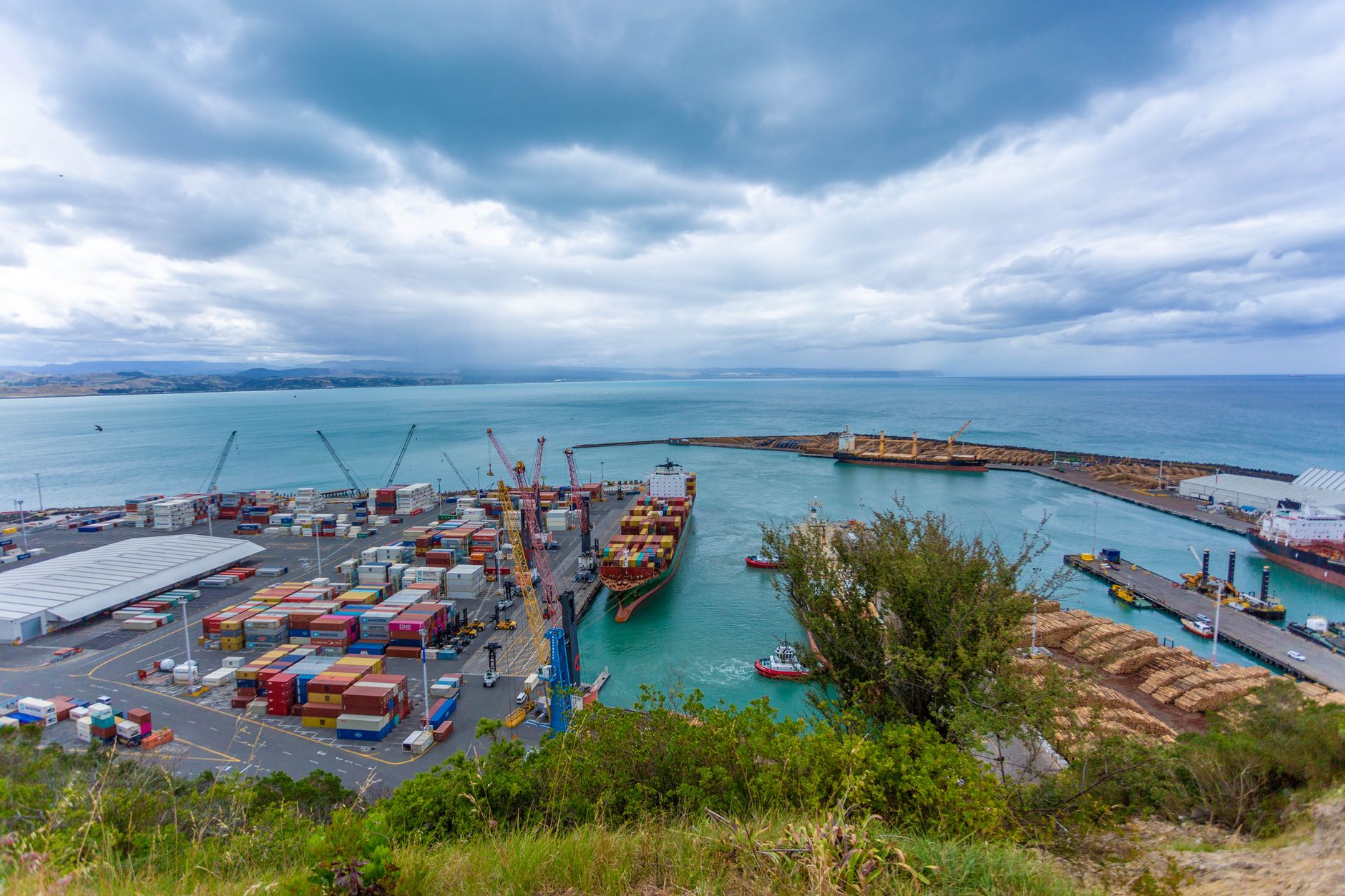
New Zealand recorded a sharp $1.9 billion trade deficit in July 2026 as imports jumped 28%. Here is what rising fuel and vehicle costs mean for Kiwi consumers and local businesses.
New Zealand’s trade balance experienced a significant shift in July 2026, with official figures revealing a monthly trade deficit of $1.9 billion. The main catalyst behind this widening gap was a massive 28% year-on-year surge in total imports, heavily dominated by elevated shipments of refined petroleum, energy products, and passenger vehicles arriving at major ports across the country.
The latest trade data highlights key drivers behind the influx of goods reaching Kiwi shores during July:
While high import numbers suggest healthy domestic demand and ongoing business investments, a sustained $1.9 billion monthly deficit creates broader macroeconomic considerations across New Zealand:
Increased demand for foreign currencies to settle overseas shipments can weigh heavily on the New Zealand Dollar (NZD). A weaker exchange rate tends to increase the landed cost of future imported goods, affecting price tags at local retailers.
With fuel representing a major component of the import spike, Auckland households and transport operators may face persistent costs at the pump, which can indirectly bleed into supply chain and delivery pricing nationwide.
The Reserve Bank of New Zealand keeps a close eye on imported inflation. If rising import costs persist, it could complicate the timeline for future monetary policy adjustments, keeping interest rates in focus for homeowners and commercial borrowers.
Economists note that while the July 2026 import surge presents a dramatic headline figure, monthly data can often be skewed by high-value lump-sum deliveries. Moving into the second half of the year, New Zealand’s economic recovery will rely heavily on key export sectors—such as dairy, horticulture, and tourism—to strengthen and help close the trade gap.