Physical Address
96B Grimmer Road, Hamilton Waikato 5810
Physical Address
96B Grimmer Road, Hamilton Waikato 5810

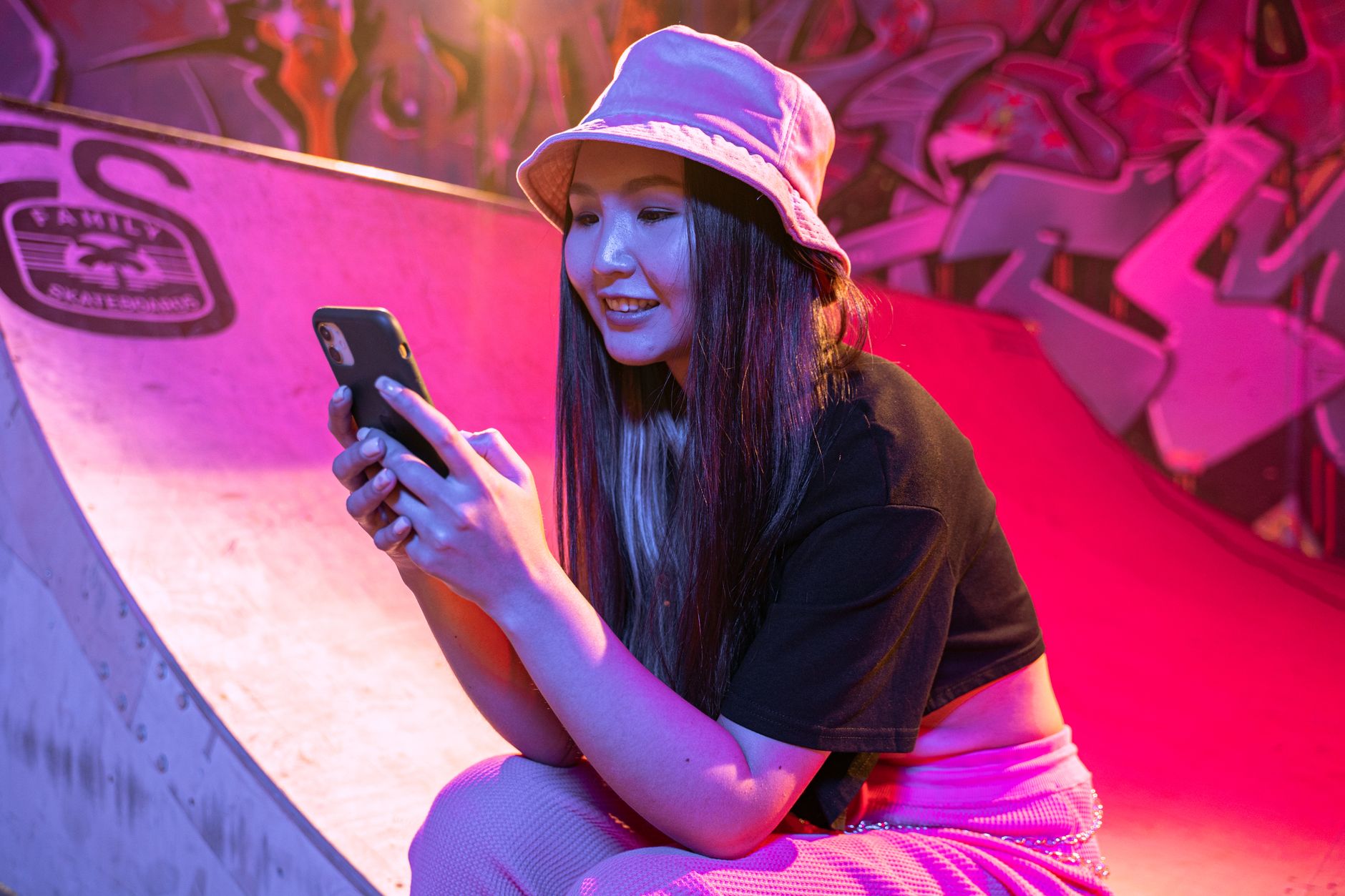
As policy debates intensify around youth digital safety, we examine what a proposed NZ social media ban under 16 means for Kiwi families, tech companies, and online privacy.
With growing international momentum around youth digital safety, New Zealand is entering a pivotal debate over whether to restrict teenagers from accessing major social media networks. The proposed NZ social media ban under 16 has quickly become one of the most talked-about policy discussions in Wellington and across Auckland households. Prompted by similar legislative moves in Australia and Europe, lawmaker proposals aim to curb online harms, reduce digital addiction, and safeguard mental health for young Kiwis. However, implementing such a restriction raises complex questions about privacy, technological feasibility, and digital freedom.
The core concept behind the proposed NZ social media ban under 16 is straightforward: prohibit users under the age of 16 from creating or maintaining accounts on popular social media platforms such as TikTok, Instagram, Snapchat, YouTube, and X (formerly Twitter). Rather than criminalising teenagers or penalising parents, the legal burden would fall squarely on big tech corporations to prevent underage access.
Supporters of the legislation point to escalating concerns regarding youth cyberbullying, sleep deprivation, body image issues, and exposure to harmful algorithmic feeds. For many Kiwi parents navigating the digital age, a statutory restriction provides a long-sought boundary backed by state enforcement.
The most technically contentious aspect of an NZ social media ban under 16 is how platforms will actually verify a user’s age. Passing a law is simple compared to verifying identity online without compromising user privacy. Several mechanism models are currently being evaluated by policy experts and tech engineers:
Using facial analysis software during sign-up to estimate a user’s age without storing personal identity documents. While fast, critics raise concerns regarding accuracy across different ethnicities and privacy implications.
Leveraging official credentials such as New Zealand passports, driver licences, or the RealMe digital identity system to confirm birth dates. While secure, this method sparks debate over data sovereignty and digital tracking.
Outsourcing verification to independent privacy-focused agencies that issue zero-knowledge proofs—confirming a user is over 16 without sharing their name or birth date with the social network.
For Auckland parents and families across New Zealand, the prospective ban brings mixed reactions. On one side, many parents welcome government intervention to help remove the peer pressure surrounding early social media adoption. If no 14-year-old in a school class is legally allowed on Instagram, the fear of missing out (FOMO) diminishes significantly.
Conversely, child rights advocates and educators highlight potential drawbacks. Social media often serves as a vital community space for isolated youth, minority groups, and young creatives. Furthermore, opponents argue that a hard ban might simply drive teens toward unsafe, unregulated online spaces or encourage the widespread use of Virtual Private Networks (VPNs) to bypass age gates.
If enacted, an NZ social media ban under 16 would require global tech firms to redesign onboarding processes specifically for New Zealand users. Tech giants have historically resisted mandatory age verification, citing privacy concerns and high implementation costs. However, with Australia establishing legal precedents in the region, platforms are facing immense pressure to adapt.
Key obligations for platforms would likely include:
As discussion around the NZ social media ban under 16 advances through parliamentary select committees and public submissions, Kiwis can expect vibrant debate across political parties. Whether New Zealand chooses a strict ban, a consent-based parental approval model, or enhanced digital education in schools, the decision will fundamentally shape the digital upbringing of the next generation of New Zealanders.