Physical Address
96B Grimmer Road, Hamilton Waikato 5810
Physical Address
96B Grimmer Road, Hamilton Waikato 5810

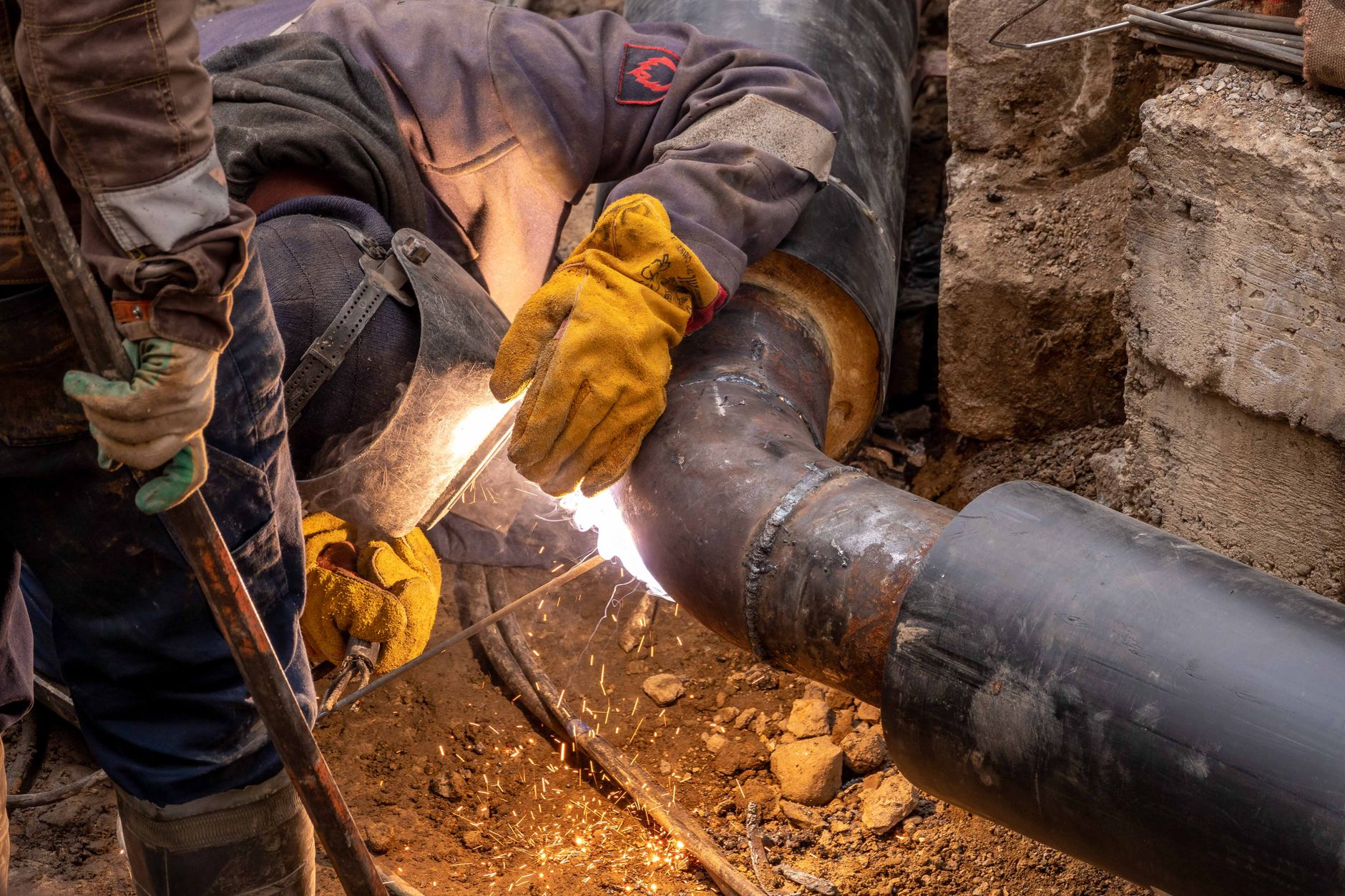
New Zealand faces a severe trade shortage heading into 2026, with hundreds of plumbing and drainlaying roles left vacant amid housing demands and an ageing workforce.
New Zealand is heading toward a critical junction in its skilled trades sector. As industry bodies project a looming workforce deficit for 2026, hundreds of plumbing, gasfitting, and drainlaying positions across Auckland and the wider country risk remaining unfilled. Driven by an ageing workforce, shifting immigration policies, and relentless housing and infrastructure demand, the plumbing trade is rapidly becoming one of Aotearoa’s most vital yet undertrained professions.
At the heart of the crisis is a demographic reality: experienced tradespeople are retiring faster than the local training pipeline can replace them. Industry statistics show that a significant percentage of certified plumbers and drainlayers are approaching retirement age within the next decade. While interest in vocational training has spiked in recent years, the lead time required to produce fully qualified, licensed practitioners means the current rate of apprenticeships falls short of replacing veteran tradies.
The timing of this trade deficit couldn’t be worse for New Zealand’s growing urban centers. Auckland’s ongoing infrastructure upgrades, combined with government pushes for housing density, storm-water management, and climate resilience, require unprecedented levels of drainlaying and pipework expertise. Modern building standards, water reform requirements, and severe weather mitigation necessitate specialized skills that simple labor cannot replace. Without qualified personnel to sign off on compliance, major construction projects face costly delays.
With domestic training unable to keep pace with immediate demand, industry leaders are looking closely at immigration channels. Plumbing and drainlaying roles featured heavily in discussions regarding New Zealand’s Green List and Accredited Employer Work Visa (AEWV) pathways. However, international recruitment presents its own hurdles, including strict local licensing equivalency tests and international competition for skilled construction workers.
For school leavers and career changers, the trade shortage represents an unprecedented financial opportunity. Hourly rates for experienced drainlayers and registered plumbers have surged, alongside high demand for subcontracting services. Beyond competitive earning potential, the career offers long-term job security that is largely resistant to automation and economic downturns. As New Zealand navigates the road to 2026, boosting local trade uptake and streamlining immigration processes will be paramount to keeping the country’s essential infrastructure running smoothly.