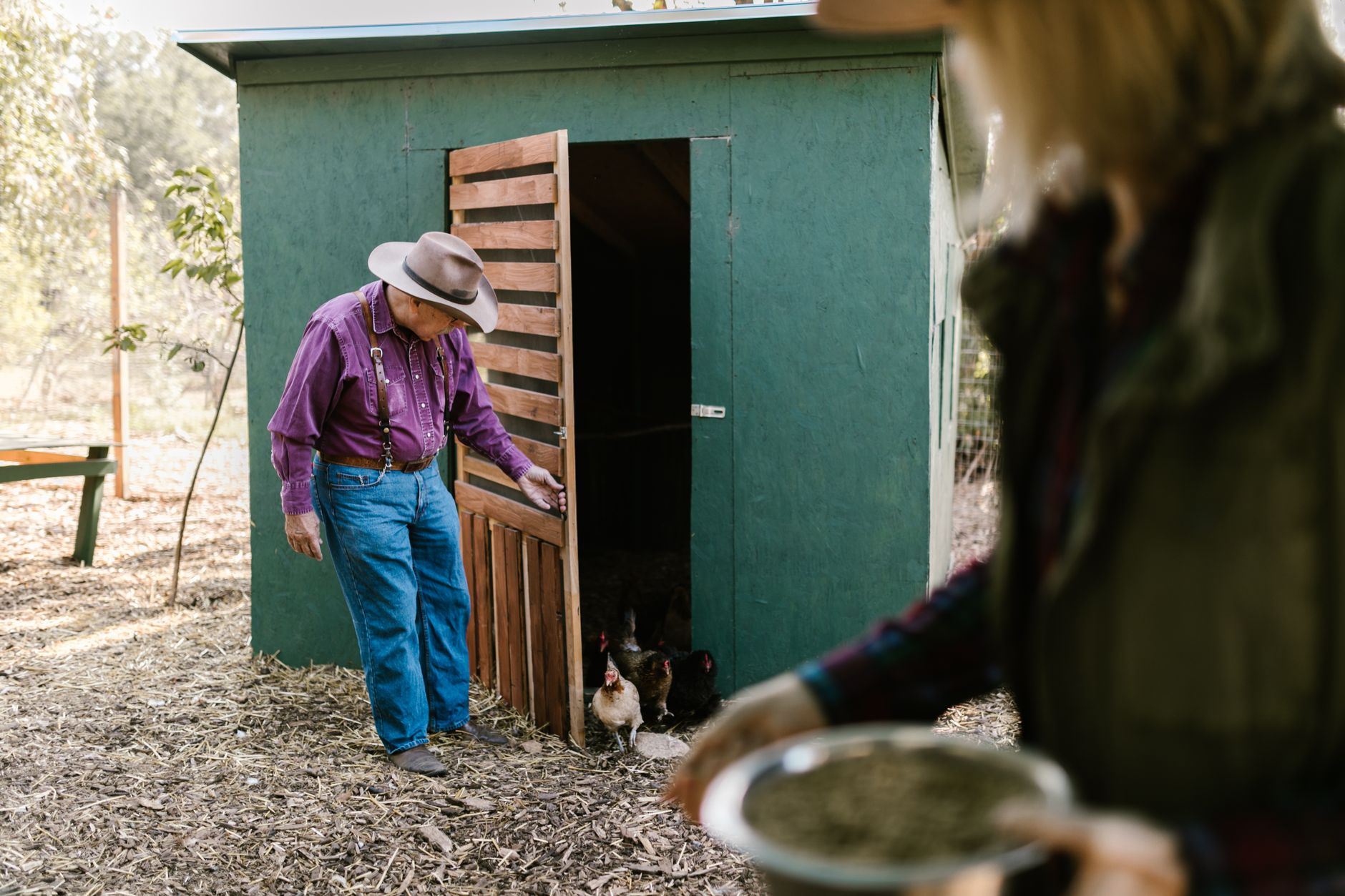
NZ Bird Flu 2026: What Poultry Owners Should Do as H5 Risk Continues

While H5 bird flu has not been detected in New Zealand poultry, the risk remains. Here is how backyard and commercial poultry owners can safeguard their flocks in 2026 through proactive biosecurity measures.

Understanding the Risk: Prevention Over Panic

As we navigate 2026, conversations around avian influenza globally have kept New Zealand poultry owners on high alert. However, it is crucial to lead with the facts: as of today, no highly pathogenic H5 bird flu has been detected in New Zealand poultry flocks. Our geographic isolation has served us well, but relying solely on our borders is no longer enough. Preparedness is our best defense.

Practical Biosecurity for Backyard Chicken Coops

For Auckland’s thriving community of backyard chicken keepers, simple daily habits can make a massive difference in preventing disease transmission from wild birds. Here are the core actions you should take right now:

  • Secure Feed and Water: Wild birds are the primary vectors of H5. Always feed and water your chickens inside a covered run or coop where wild sparrows, pigeons, or ducks cannot access the feed.
  • Install Wild Bird Deterrents: Use fine mesh netting over outdoor enclosures. This keeps even small wild birds from interacting with your flock.
  • Maintain Strict Hygiene: Have dedicated footwear for entering your chicken coop, or use a simple disinfectant footbath at the entrance. Wash your hands thoroughly before and after handling your birds.
  • Limit Visitors: Avoid letting friends who also keep chickens visit your coop area without sanitizing their footwear and hands.

Commercial Poultry Protocols: Escalating Defense Lines

For commercial poultry farmers across the country, biosecurity is not just a recommendation; it is the backbone of operational continuity. MPI recommends several robust measures:

  • Strict Vehicle and Equipment Disinfection: Ensure all vehicles entering the farm property pass through a disinfection spray or wash station.
  • Staff Training and Audits: Keep staff updated on biosecurity protocols and run regular drills to identify potential vulnerabilities in the production chain.
  • Water Treatment: If your facility relies on surface water, ensure it is treated and sanitized to eliminate any viral load from wild waterfowl.

Identifying the Symptoms of Avian Influenza

Early detection is vital to safeguarding the wider New Zealand agricultural sector. Monitor your birds daily for the following clinical signs:

  • Sudden, unexplained death in multiple birds
  • Severe respiratory distress, coughing, or sneezing
  • Swollen, bluish heads, combs, or wattles
  • A dramatic drop in egg production or watery droppings
  • Extreme lethargy and loss of appetite

Who to Contact If You Suspect H5 Bird Flu

If you notice unusual illness or multiple sudden deaths in your flock, do not wait. Immediately isolate the affected birds and call the Ministry for Primary Industries (MPI) exotic pest and disease hotline on 0800 80 99 66. Early intervention ensures our local poultry industry remains safe, secure, and thriving throughout 2026.

About The Author

Leave a Reply

Your email address will not be published. Required fields are marked *