Physical Address
96B Grimmer Road, Hamilton Waikato 5810
Physical Address
96B Grimmer Road, Hamilton Waikato 5810

New Zealand tourism sees a robust 9% increase in overseas visitor arrivals according to the latest Stats NZ figures. Discover what this visitor surge means for Auckland's economy, local businesses, and hospitality.
New Zealand’s tourism sector is moving into 2026 with strong momentum, backed by the latest annual figures from Stats NZ showing a compelling 9% year-on-year increase in overseas visitor arrivals. As global travelers continue to prioritize authentic culture and world-class nature, Aotearoa has solidified its status as a top-tier destination.
The updated annual data highlights a broad-based recovery across major market segments. Traditional long-haul markets alongside strong trans-Tasman routes are driving consistent growth into major transport hubs across the country.
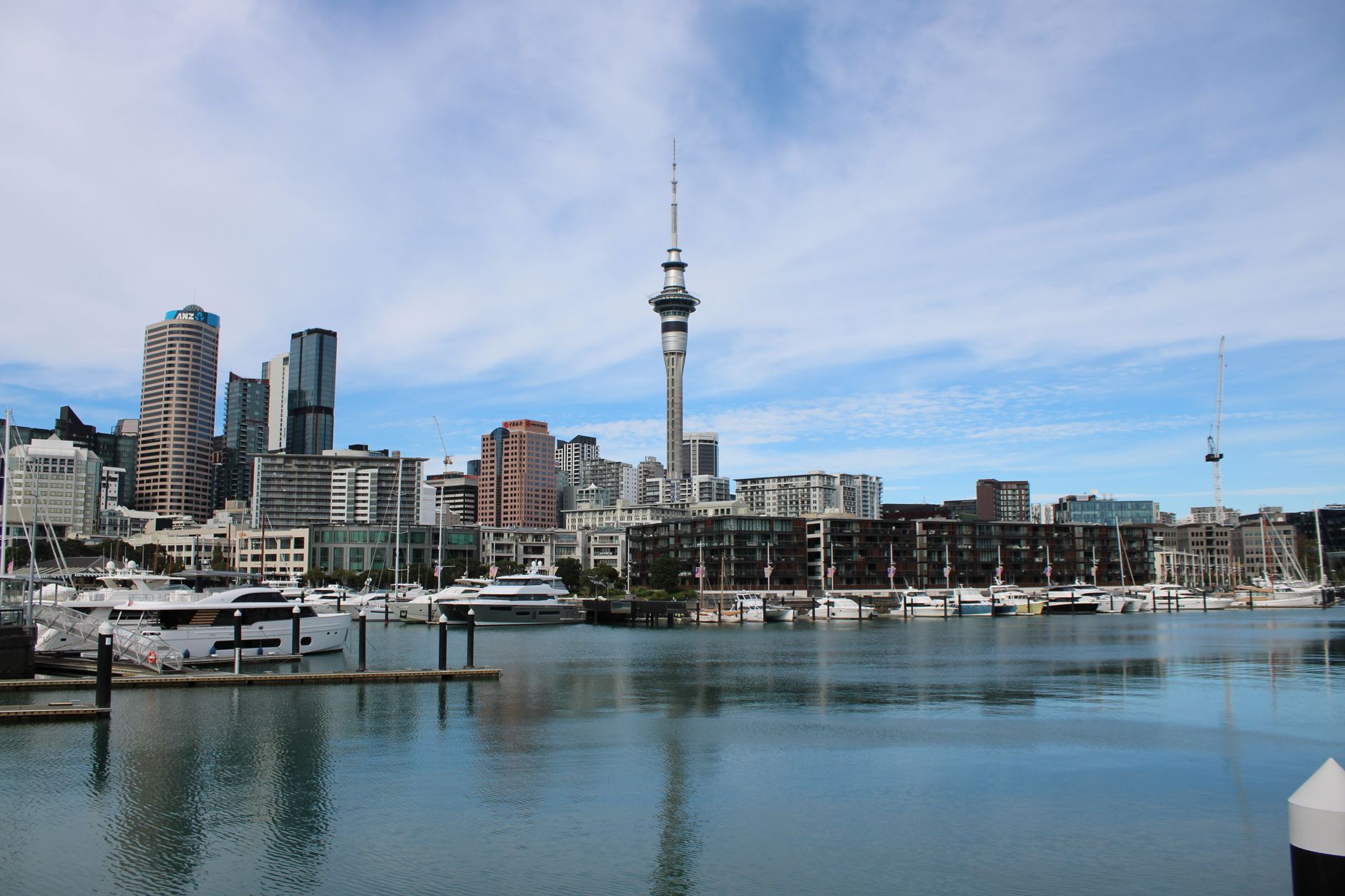
As the primary gateway to the nation, Auckland is positioned at the epicenter of this visitor growth. Tāmaki Makaurau is witnessing a noticeable surge in downtown activity, with precincts like Britomart, the Viaduct Harbour, and Wynyard Quarter reaping the immediate benefits.
The steady rise in overseas arrivals is providing a tangible lift to several core urban sectors:
International tourism remains one of New Zealand’s largest export earners. The 9% arrival increase translates into essential foreign currency injection, supporting job creation in transport, guide services, and retail. Furthermore, as visitors journey beyond Auckland to regional destinations like Rotorua, Taupō, and Queenstown, economic gains are distributed nationwide.
Industry leaders emphasize that sustaining this growth requires ongoing investment in urban infrastructure and sustainable tourism management. Ensuring Auckland’s public transit, airport connectivity, and regional infrastructure can gracefully accommodate higher visitor volumes remains a top priority for local authorities.
With strong arrival figures setting a positive tone for 2026, New Zealand’s tourism sector is poised for resilient, long-term growth. For Auckland’s business community, the 9% growth rate signals renewed economic energy and a flourishing urban landscape.