Physical Address
304 North Cardinal St.
Dorchester Center, MA 02124
Physical Address
304 North Cardinal St.
Dorchester Center, MA 02124

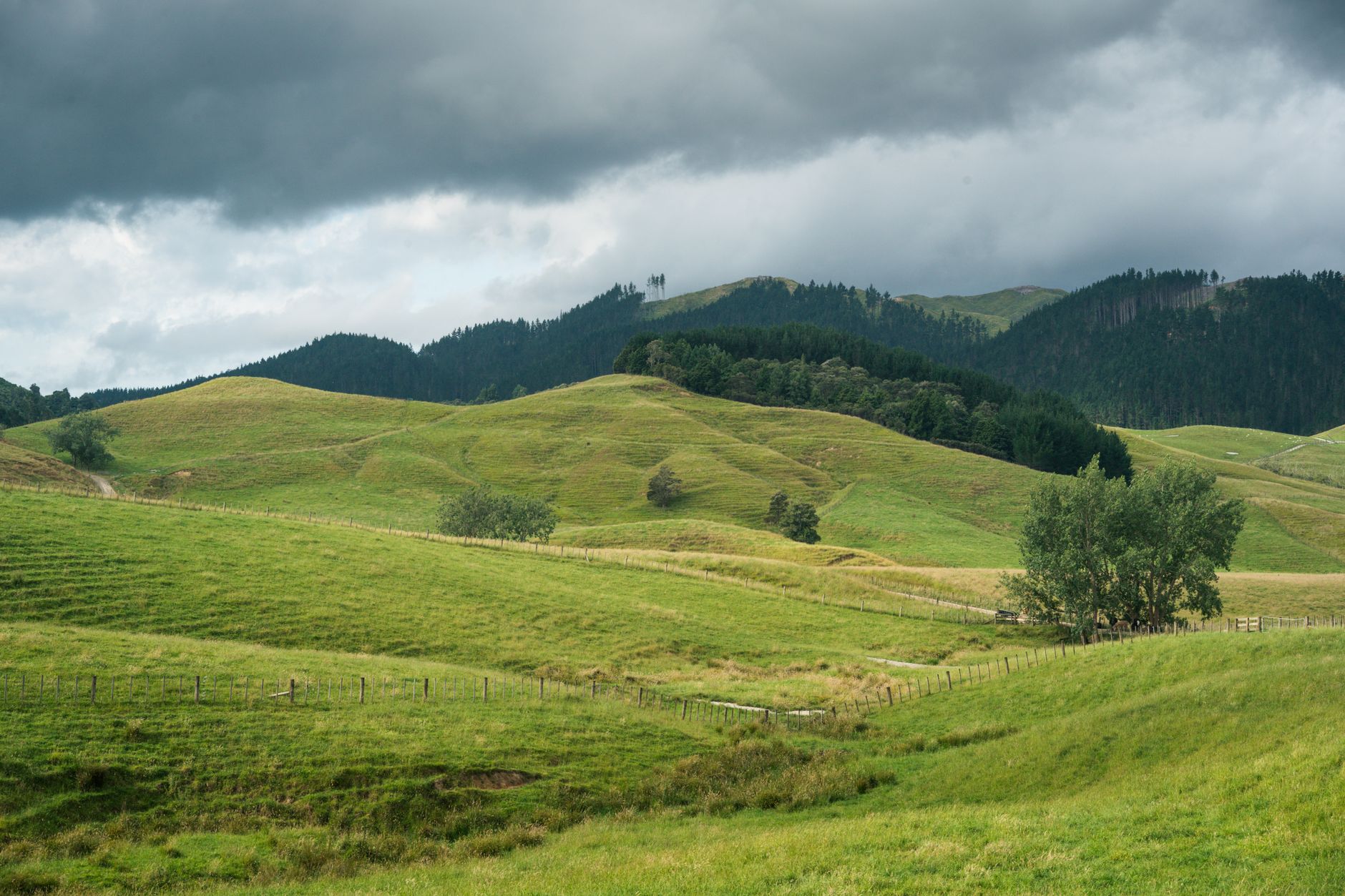
New Zealand’s greenhouse gas emissions have hit their lowest regional levels since 2007. We break down the fresh 2025 data, highlighting Auckland's progress and Taranaki's massive structural shift away from heavy emissions.
New Zealand’s regional greenhouse gas emissions have plummeted to their lowest levels since 2007, marking a pivotal milestone in the country’s journey toward environmental sustainability. The latest 2025 data reveals a nation undergoing a quiet, structural transformation. Rather than a purely top-down policy shift, this historic decline is a story written by the regions, showcasing how local industries, businesses, and communities are actively reshaping their carbon footprints.
The fresh data highlights a downward trajectory across almost every major region, but the standout success lies far from the bustling streets of Auckland. Instead, the spotlight shines brightly on Taranaki, a region historically tethered to fossil fuels and heavy industry, which has achieved an extraordinary reduction in its climate impact.
Taranaki has historically registered some of the highest per-capita emissions in the country due to its concentration of dairy farming and petrochemical industries. However, the 2025 data shows a remarkable realignment. The region’s emissions fell sharply thanks to several key factors:
This structural change proves that regional economies can successfully transition without sacrificing economic viability.
While Taranaki takes the crown for the most dramatic rate of decline, New Zealand’s major metropolitan hubs are also pulling their weight. Auckland, which historically shouldered a massive transport-emissions burden, saw a noticeable dip in 2025. This was driven primarily by the rapid electrification of the city’s public transport fleet, a steady rise in electric vehicle (EV) uptake among commuters, and a growing hybrid-work culture that has permanently reduced daily vehicle kilometres traveled.
Meanwhile, in Canterbury, the agricultural sector has shown steady progress. Through precision agriculture and optimized fertilizer use, Canterbury farmers have managed to lower their nitrous oxide emissions while maintaining strong export yields.
Skeptics might attribute these declines to short-term economic fluctuations, but the depth of the 2025 data suggests a permanent, structural decoupling of economic growth from emissions. Businesses across New Zealand are discovering that reducing their carbon intensity is no longer just a compliance exercise—it is a competitive necessity. Rising global demand for low-emissions dairy, wood, and manufactured goods means that Kiwi exporters who clean up their acts are winning on the world stage.
As New Zealand looks beyond 2025, the challenge will be to maintain this momentum. However, with regions like Taranaki leading the charge and proving that decarbonisation is not only possible but highly beneficial, the path forward looks cleaner than it has in nearly two decades.