Physical Address
304 North Cardinal St.
Dorchester Center, MA 02124
Physical Address
304 North Cardinal St.
Dorchester Center, MA 02124

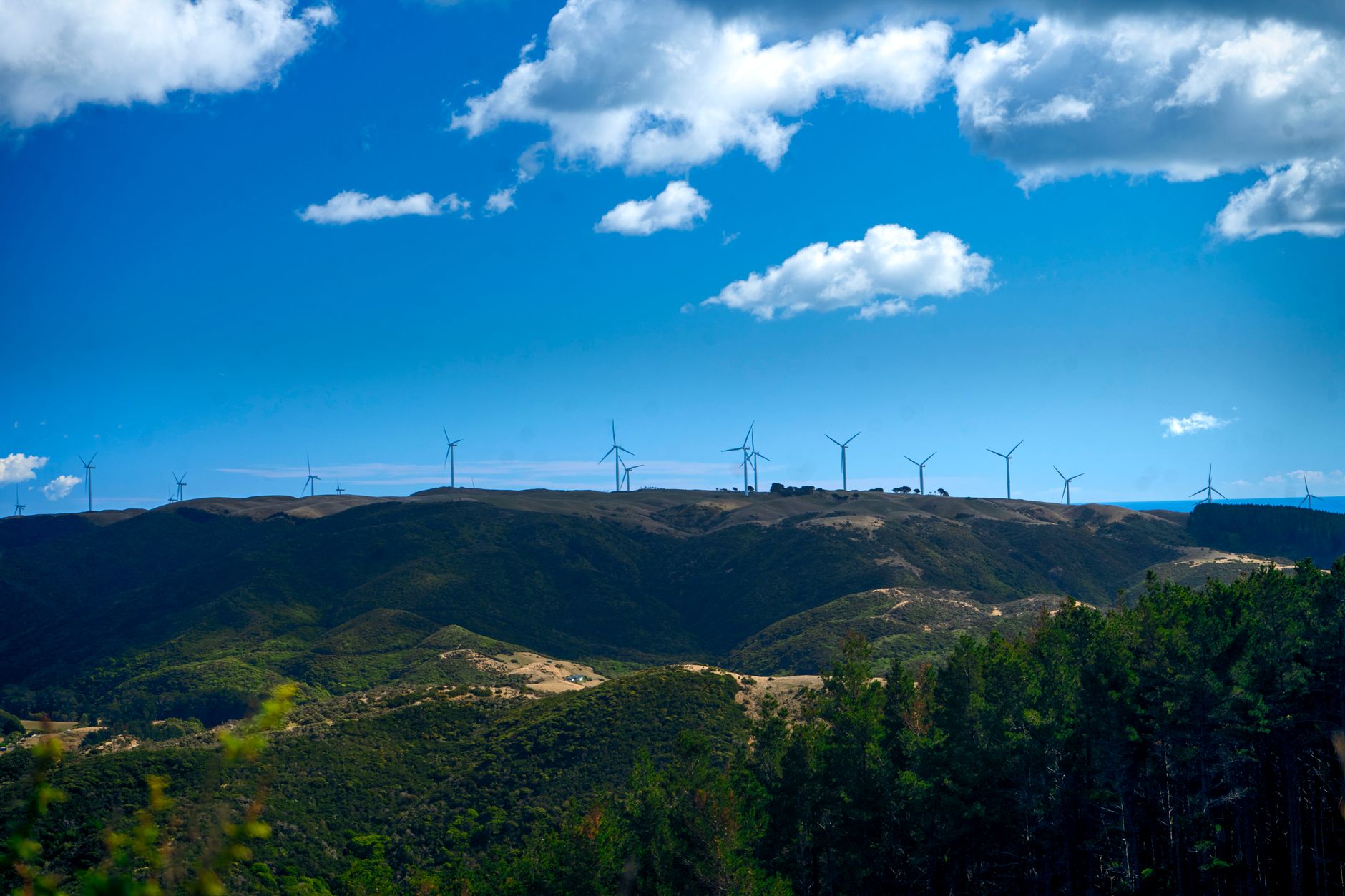
With New Zealand at risk of missing its 2026 emissions targets, the Government has directed officials to design new climate policies. Here is what it means for transport, industry, and households.
New Zealand is facing a critical juncture in its climate change journey. Following a stern warning from the Climate Change Commission, the Government has officially directed officials to draw up fresh, urgent policy measures to bridge the widening gap in our emissions targets. With the New Zealand Carbon Budgets 2026 looming, the nation is currently off track to meet its international and domestic climate commitments. This development has sparked an immediate scramble within policy circles, meaning significant changes are heading our way.
The Climate Change Commission’s latest assessment indicates that current policy settings are insufficient to hit the country’s second emissions budget (2026–2030). Factors such as slower-than-expected uptake of electric vehicles, reliance on fossil fuels in industrial processes, and policy shifts by the coalition government have compounded the challenge. Without rapid intervention, New Zealand risks not only missing its targets but also facing international reputational damage and costly carbon credit purchases overseas.
In response to the warning, Climate Change Minister Simon Watts has instructed government agencies to find additional, cost-effective emissions reductions. The focus is now on identifying practical, high-impact solutions that can be implemented rapidly. Unlike previous strategies, the current administration is placing heavy emphasis on market-led initiatives, technology-focused solutions, and private sector investment, while attempting to minimize direct regulatory burdens on Kiwis.
The search for extra carbon savings will inevitably ripple through every sector of the Kiwi economy. Here is how the upcoming policy shift is expected to affect different areas:
With the abolition of the Clean Car Discount, the government must find alternative ways to decarbonize the transport sector, which remains one of New Zealand’s largest sources of emissions. Expect to see:
For New Zealand’s industrial sector, the pressure is on to phase out coal and gas. To meet the 2026 carbon budgets, the government may introduce:
Kiwi households will feel the indirect effects of these policies, particularly regarding energy use and cost of living. Key impacts could include:
The government’s directive presents a delicate balancing act. Policymakers must find a way to meet the stringent New Zealand Carbon Budgets 2026 without placing undue financial strain on households already dealing with inflation. However, the cost of inaction is far higher. As Aucklanders and the wider New Zealand public look to the future, the next few months will be crucial in defining whether the country can successfully navigate this green transition or fall short on the global stage.