Physical Address
96B Grimmer Road, Hamilton Waikato 5810
Physical Address
96B Grimmer Road, Hamilton Waikato 5810

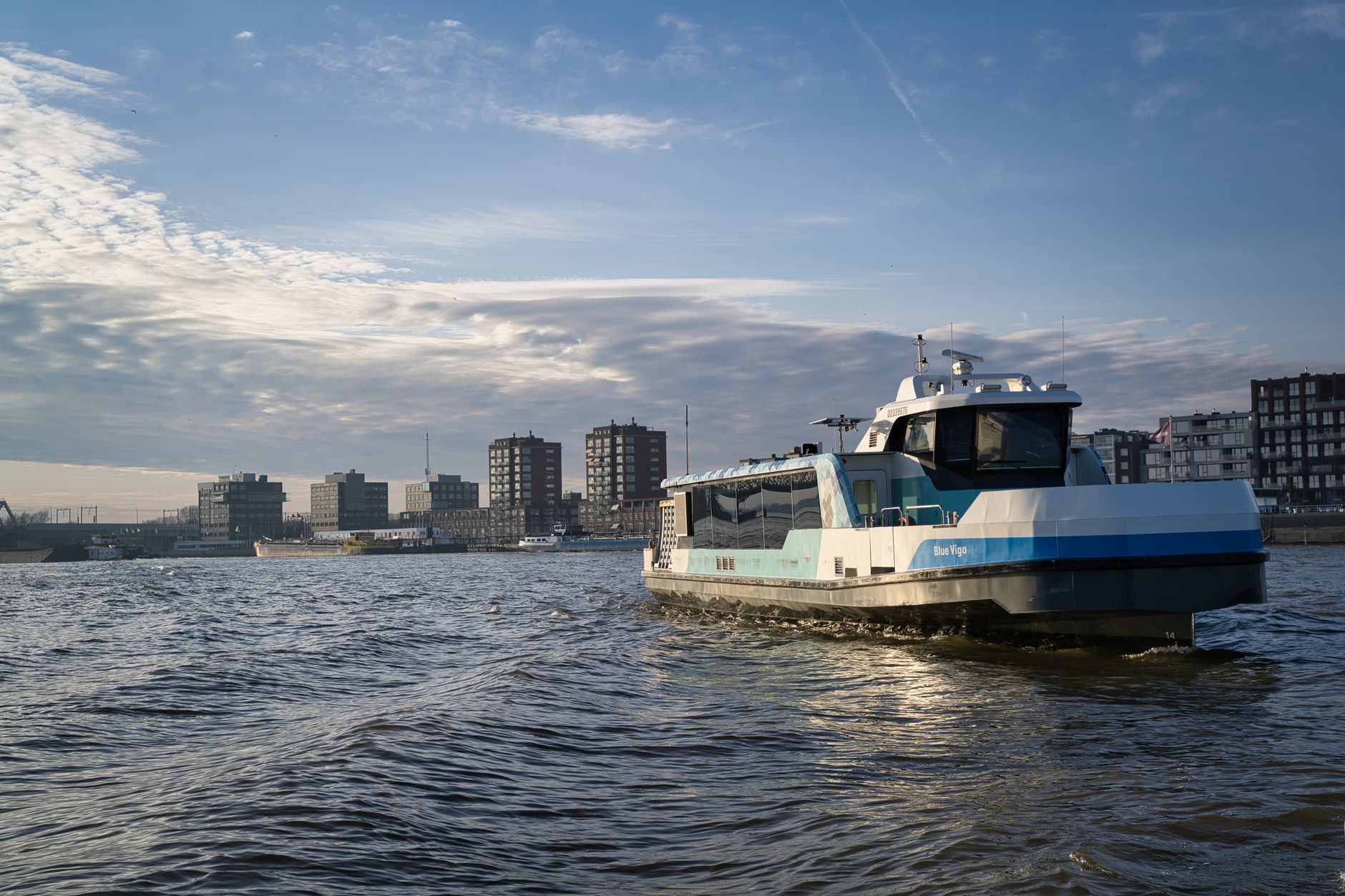
An in-depth analysis comparing fully electric and hybrid ferries across harbor route battery requirements, maintenance cycles, energy costs, and capital expenditures.
As coastal urban hubs like Auckland accelerate their push toward zero-emission public transport, marine operators face a critical strategic juncture. The transition away from traditional diesel propulsion has placed two distinct technologies in direct competition: fully electric vessels and diesel-electric hybrid ferries. While environmental benefits drive political momentum, real-world fleet decisions hinge on rigorous financial evaluations across fuel consumption, maintenance demands, and capital requirements.
Harbor routes present a unique operational environment characterized by high frequency, short leg distances, and predictable dock times. Fully electric ferries rely entirely on onboard energy storage systems, requiring substantial battery capacities—often between 1.5 MWh and 3 MWh for typical 200-to-400 passenger harbor craft. These massive battery packs demand rapid shore charging infrastructure capable of delivering multi-megawatt boosts during standard 5-to-10 minute passenger boarding windows.
In contrast, hybrid ferries utilize smaller battery buffers (typically 200 kWh to 500 kWh) designed primarily for peak shaving, zero-emission berthing, and maneuverability near urban terminals. Because hybrid vessels generate power underway using efficient diesel generators, their battery requirements are drastically reduced, easing weight constraints and eliminating the immediate need for high-power terminal charging grids.
The operational expense (OpEx) profile reveals the strongest case for pure electrification. Electricity derived from grid power delivers significantly higher energy efficiency compared to burning marine diesel or bio-fuels. On high-frequency harbor corridors, fully electric ferries can reduce direct energy expenditure by 60% to 75% compared to conventional diesel vessels.
However, grid pricing structures—specifically peak demand tariffs and capacity charges—can heavily impact electric OpEx if charging schedules are not dynamically managed during high-demand hours.
Maintenance profiles diverge sharply between the two architectures over a typical 20-year operational lifespan.
Electric motors and solid-state power electronics possess far fewer moving parts than internal combustion engines. They eliminate lube oil changes, fuel injection servicing, exhaust scrubbers, and complex gearbox overhauls. Overall mechanical maintenance costs for pure electric propulsion can drop by up to 50%. The primary long-term OpEx variable remains battery degradation, requiring planned cell pack replacements every 8 to 12 years depending on depth of discharge and fast-charging frequency.
Hybrid vessels represent a double-edged sword regarding maintenance. While operating diesel generators at constant, optimal loads reduces thermal stress and extends service intervals, the vessel still retains all internal combustion subsystems alongside electric motors, inverters, and battery packs. Operators must maintain dual powertrains, resulting in higher overall servicing complexity and ongoing mechanical maintenance expenses.
The initial capital expenditure (CapEx) for fully electric vessels remains considerably higher than for hybrid alternatives. High-energy marine-grade lithium-ion battery packs, along with mandatory automated shore-side charging arms and local grid upgrades, can elevate initial project costs by 30% to 50% compared to standard vessels.
Hybrid ferries offer a lower barrier to entry. They avoid costly megawatt-scale port grid upgrades and operate independently of shore charging infrastructure if local grid connectivity is delayed. However, for intense harbor transit networks operating 16 to 18 hours daily, the dramatically lower fuel and maintenance OpEx of fully electric ferries allows operators to bridge the CapEx gap within 6 to 9 years of continuous service.