Physical Address
304 North Cardinal St.
Dorchester Center, MA 02124
Physical Address
304 North Cardinal St.
Dorchester Center, MA 02124

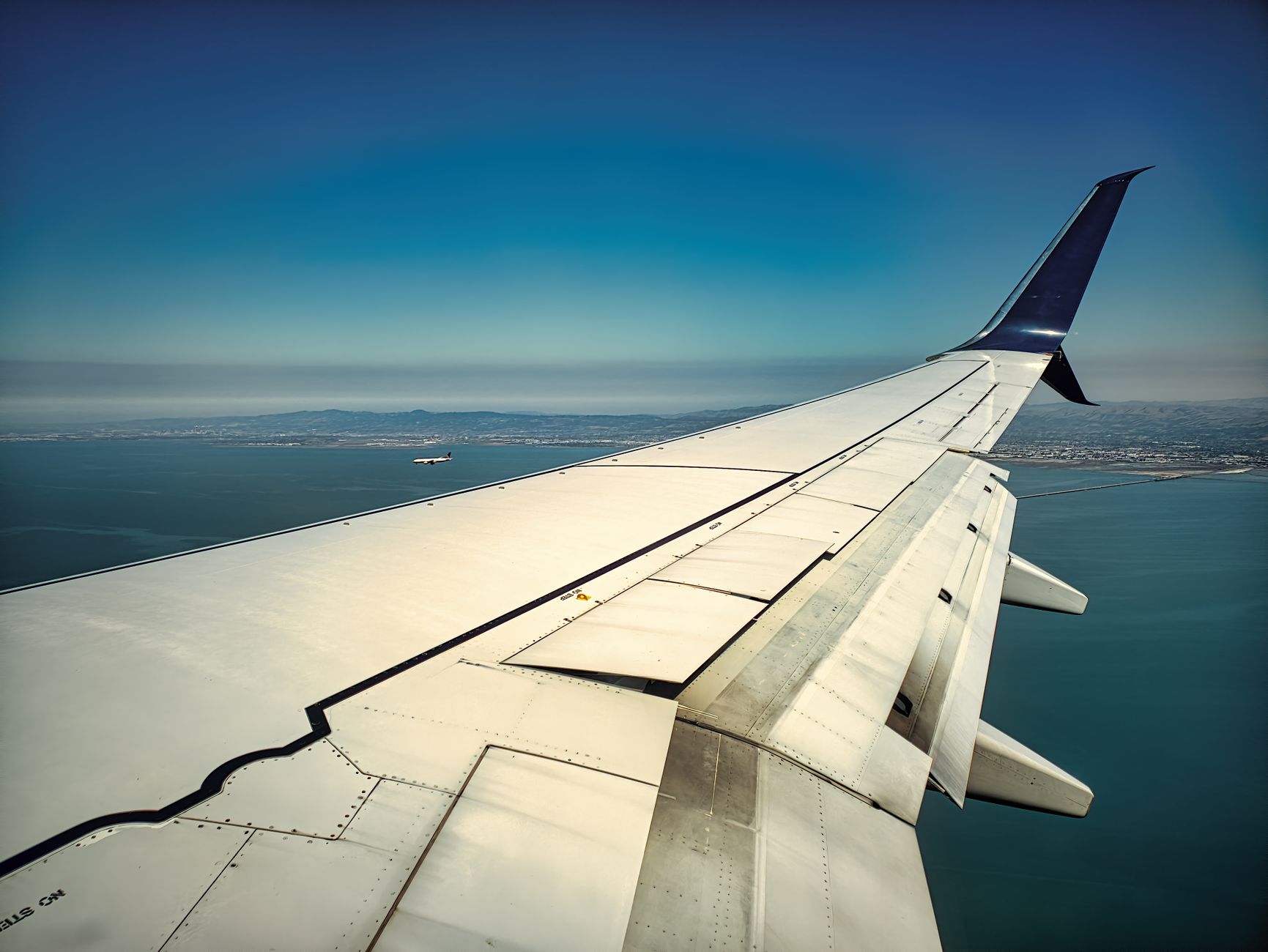
Discover how blended-wing body aircraft could revolutionize long-haul flights to New Zealand, lowering fuel consumption, improving trans-Pacific range, and slashing ticket costs.
For New Zealand, geographical isolation has always made long-haul aviation a vital lifeline for tourism, trade, and global connectivity. Departing from Auckland Airport, trans-Pacific routes to North America or deep Asia require ultra-long-haul flights that consume immense fuel reserves and generate substantial carbon footprints. As global climate targets tighten, traditional tube-and-wing aircraft design is reaching its physical aerodynamic limit. Enter the blended-wing body (BWB) aircraft—a radical aerodynamic layout that fuses wing and fuselage into a seamless, lifting-body shape.
Unlike conventional airliners where the fuselage acts as parasitic deadweight supported by attached wings, a blended-wing design enables the entire body of the aircraft to generate lift. This fundamental shift reduces aerodynamic drag dramatically while maximizing internal volume.
The Pacific Ocean presents one of the most demanding operational environments in commercial aviation. Routes such as Auckland to Los Angeles (approx. 10,500 km) or Auckland to Vancouver demand massive fuel payloads that degrade overall flight economics. Blended-wing jets offer a compelling solution for Pacific carriers through superior range capabilities and reduced operating costs.
Because BWB aircraft generate lift across their entire surface, they consume far less fuel per nautical mile. This efficiency unlocks crucial benefits for South Pacific corridors, allowing airlines to maintain non-stop ultra-long-haul journeys while reducing operating costs and lowering reliance on transitional sustainable aviation fuels (SAF).
Beyond aerodynamics, the true game-changer for long-haul passengers travelling to and from Aotearoa lies in cabin geometry. Traditional airliners force seating into long, narrow single-aisle or twin-aisle tubes. A blended-wing airframe provides a broad, theater-like internal cabin structure.
As Auckland Airport undergoes significant infrastructure upgrades, airport planners must keep future airframe architectures in mind. While BWB aircraft boast wider wingspans, advanced folding-wingtip technologies similar to those on the Boeing 777X could allow these futuristic jets to utilize existing airport gates without requiring complete terminal redesigns.
For New Zealanders and Pacific island communities, blended-wing body technology offers a realistic roadmap toward sustainable, cost-effective, and comfortable global travel. By combining deep trans-Pacific range with unmatched passenger seat economics, these innovative aircraft could ensure that Auckland remains seamlessly connected to the rest of the world for generations to come.