Physical Address
304 North Cardinal St.
Dorchester Center, MA 02124
Physical Address
304 North Cardinal St.
Dorchester Center, MA 02124

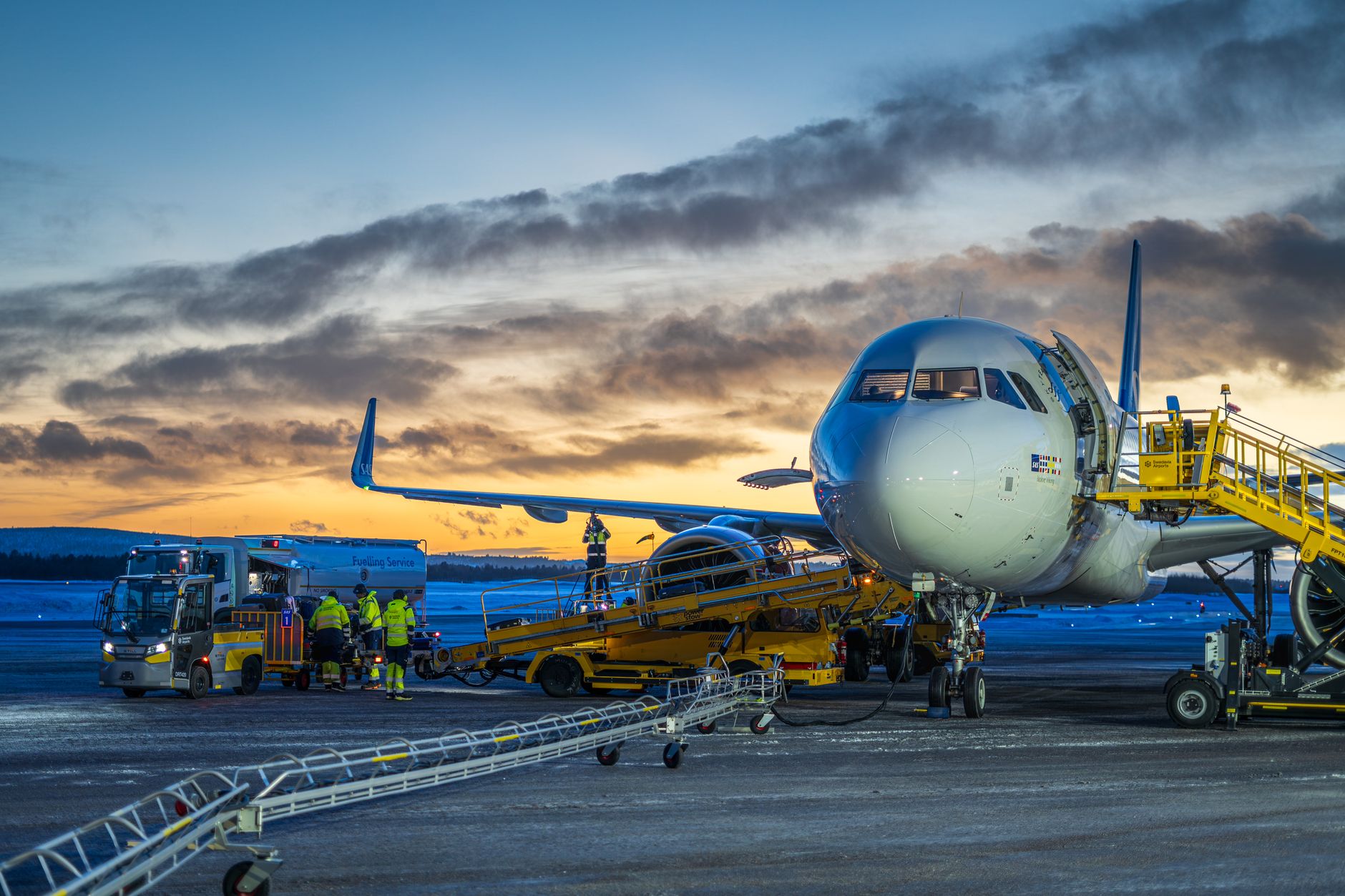
A dramatic 50% increase in jet fuel efficiency transforms global aviation economics, lowering route breakeven thresholds and opening unprecedented secondary long-haul routes.
In global commercial aviation, few variables dictate survival and profitability as fiercely as fuel. Traditionally accounting for 25% to 40% of an airline’s total operating expenses, Jet-A fuel represents a volatile cost vector that can instantly erase paper-thin operating margins. However, emerging propulsion technology, advanced aerodynamic designs, and ultra-efficient modern turbofans are bringing a theoretical 50% efficiency leap closer to reality. This technological shift is not merely an incremental improvement; it fundamentally reshapes airline profitability curves and alters the physics of network planning.
Operating margins across the airline industry historically hover in the mid-single digits, making carrier profitability acutely sensitive to crude oil fluctuations. When fuel prices spike, airlines face an immediate dilemma: absorb the costs and watch margins evaporate, or pass the cost onto passengers via fuel surcharges and risk dampening consumer demand.
A 50% improvement in fuel burn dramatically flattens an airline’s breakeven curve. By cutting the primary variable cost in half, carriers can achieve positive cash flow on routes at far lower passenger load factors. This shift changes the operational calculus in several structural ways:
The most profound impact of a 50% fuel efficiency leap lies in network topography. Historically, long-haul international routes required massive wide-body aircraft packed with hundreds of passengers, funneling through major hub airports like London Heathrow, Los Angeles International, or Auckland Airport. Efficiency improvements allow long-range, narrow-body aircraft to service secondary markets directly.
With half the fuel burn, airlines can profitably connect smaller city pairs without requiring feeder traffic from mega-hubs. Routes such as Christchurch to direct Asian destinations or regional European cities directly to the American Midwest become economically viable. This decentralization reduces airport congestion, shortens travel times for consumers, and lowers total trip overhead.
While airlines will always price tickets based on supply and demand dynamics, a permanent drop in baseline variable costs creates structural downward pressure on airfares over time. Increased competition on secondary routes prevents legacy carriers from monopolizing pricing, resulting in more stable year-round ticket prices and expanded options for travelers worldwide.