Physical Address
96B Grimmer Road, Hamilton Waikato 5810
Physical Address
96B Grimmer Road, Hamilton Waikato 5810

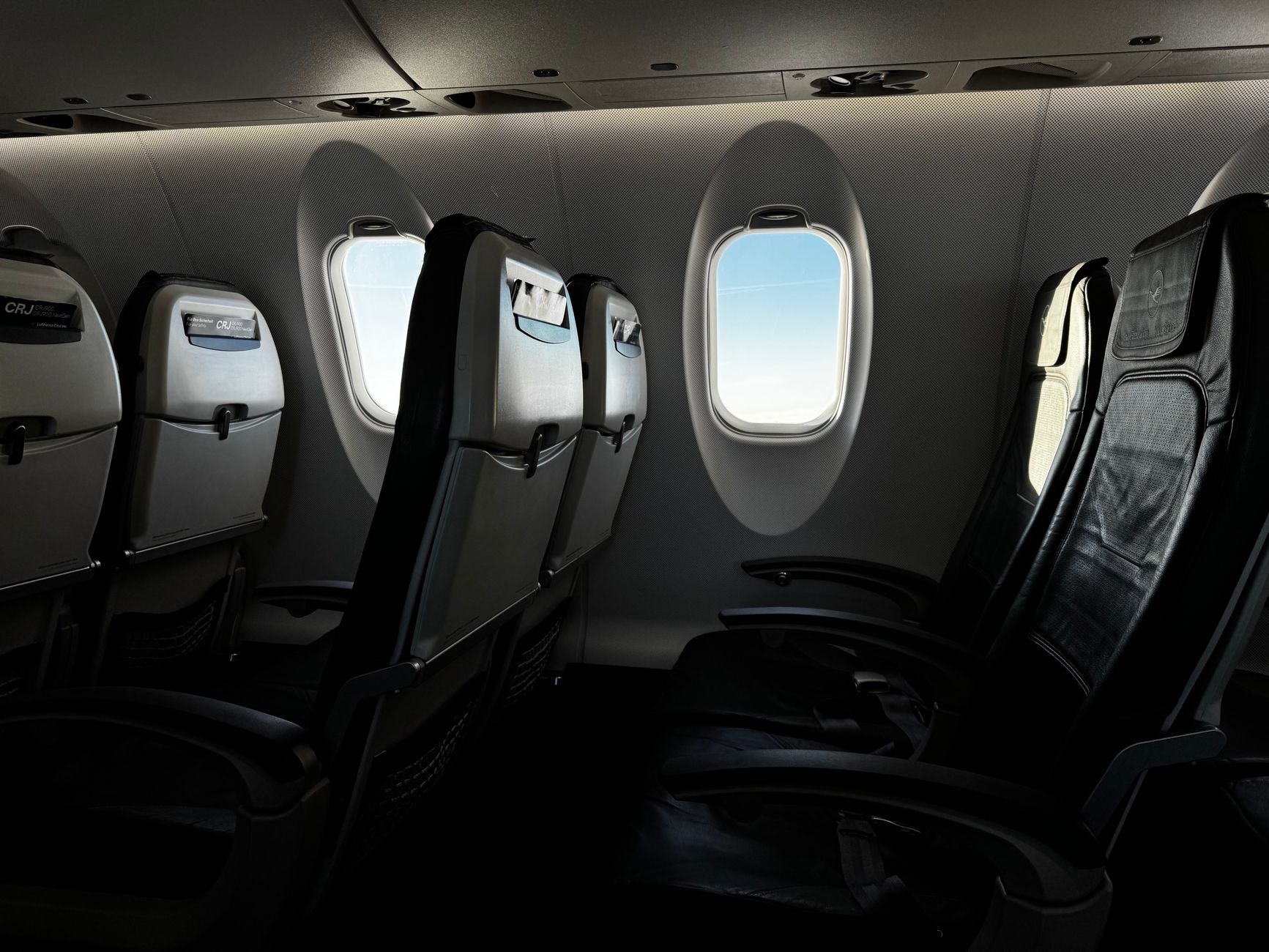
The future of flight is flat, wide, and incredibly spacious. By 2030, blended-wing body (BWB) aircraft will replace the traditional tube-and-wing design. Here is a look inside the revolutionary cabins of tomorrow.
For nearly a century, commercial aviation has relied on the trusty tube-and-wing design. But as the industry races toward net-zero emissions and demands higher passenger comfort, a radical shift is occurring. By 2030, blended-wing body (BWB) aircraft are set to redefine the skies. With developers like JetZero securing major backing and working toward commercial prototypes, the flight experience for travelers—including those embarking on long-haul journeys from Auckland—is about to change forever.
The most striking difference of a BWB aircraft is its shape. By eliminating the distinction between the wings and the fuselage, the entire aircraft becomes a single lift-generating structure. Inside, this translates to a massive, wide-body cabin that feels less like a narrow metal tube and more like a high-end cruise ship or a modern theater.
Instead of long, cramped single-aisle configurations, BWB interiors will feature a short, incredibly wide layout. This architectural shift allows for multiple aisles—likely three or four—creating distinct interior zones. The open-plan layout eliminates the claustrophobic feel of traditional economy classes, offering soaring ceilings and a spaciousness never before seen in commercial flight.
With massive internal volume, airlines can rethink seating entirely. BWB aircraft can easily accommodate between 200 to 250 passengers in a layout that offers unprecedented freedom of movement. Rather than being packed in dense rows, seating will likely be organized into modular cabins or pod-like clusters.
One of the primary engineering hurdles of the BWB design has always been pressurization. A standard cylindrical fuselage distributes cabin pressure evenly. A flat, wide cabin, however, naturally wants to balloon outward, placing immense stress on the flat upper and lower surfaces.
To solve this by 2030, aerospace engineers are utilizing revolutionary composite materials and advanced structural design. Instead of a single open bubble, BWB cabins will use multi-bubble pressure vessels or internal structural ribs made from carbon-fiber reinforced polymers. This design distributes the internal pressure safely throughout the airframe without adding heavy structural steel, ensuring a comfortable, pressurized cabin altitude of 6,000 feet or lower, which significantly reduces jetlag and fatigue.
How do you handle a cabin where many passengers sit far from the actual outer walls, leaving them without traditional windows? The answer lies in digital innovation. 2030 BWB cabins will feature high-definition virtual windows and projection screens spanning the ceiling. These screens will display real-time high-definition feeds from external cameras, giving passengers panoramic views of the earth below or the stars above.
Additionally, the passenger experience will be remarkably quiet. In a BWB design, the engines are typically mounted on top of the rear fuselage. This placement acts as a natural noise shield, directing engine roar upward and away from the passenger cabin, resulting in an whisper-quiet environment perfect for rest.
For New Zealanders accustomed to ultra-long-haul flights to the US, Asia, or Europe, the BWB cabin represents a paradigm shift. Improved aerodynamics translate to up to 50 percent lower fuel burn, which could significantly lower long-haul ticket prices. Combined with the spacious interiors, quieter cabins, and superior pressurization systems, the future of travel from Auckland is looking brighter, wider, and far more comfortable.