Physical Address
304 North Cardinal St.
Dorchester Center, MA 02124
Physical Address
304 North Cardinal St.
Dorchester Center, MA 02124

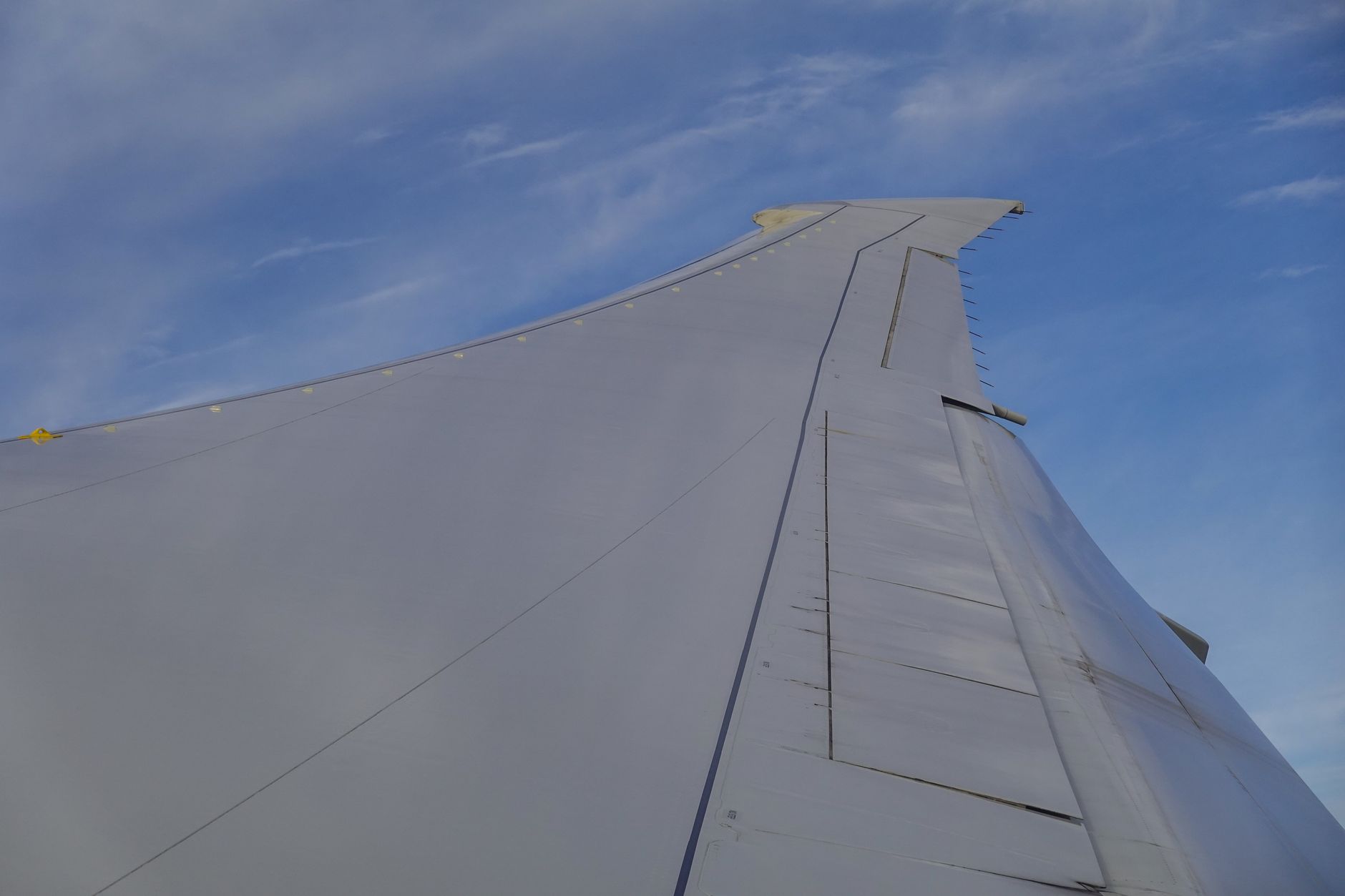
Explore why commercial plane design has remained stuck in the traditional tube-and-wing geometry for 70 years and how advanced composite materials are clearing the path for blended wing bodies.
Step onto an airfield today and compare a modern Boeing 787 Dreamliner with a 1950s Boeing 707. While the avionics, engines, and cabin amenities are worlds apart, the underlying shape remains virtually identical: a long central tube flanked by two swept wings. This traditional commercial aircraft geometry has dominated global aviation for over seven decades, surviving radical shifts in engine technology, computer modeling, and passenger demand.
The primary reason for the enduring tube-and-wing architecture lies in fundamental physics. Commercial jetliners cruise at altitudes between 30,000 and 40,000 feet, where atmospheric pressure is too low for human survival. To keep passengers safe, the cabin must be pressurized internally.
A cylinder is naturally the most efficient geometry for a pressure vessel. Internal pressure distributes uniformly across a circular cross-section, minimizing mechanical stress points. Deviating from a cylinder introduces bending moments into the fuselage skin, requiring heavy structural reinforcements that historically canceled out any potential aerodynamic benefits.
Beyond structural physics, economic and operational realities have locked the tube-and-wing geometry in place for decades:
Despite these legacy constraints, the classic tube-and-wing configuration is reaching the physical limits of efficiency gains. Enter modern composite materials. Advanced carbon-fiber reinforced polymers allow aerospace engineers to design non-cylindrical structures capable of handling complex pressure loads without adding prohibitive weight.
This material revolution has reignited interest in the Blended Wing Body configuration. By integrating the fuselage and wing into a continuous, lifting surface, new airframe designs promise game-changing performance improvements:
With companies like JetZero making strides alongside NASA and major defense partners, the long-standing monopoly of the tube-and-wing shape is finally facing a genuine challenge. As environmental pressures demand drastic carbon reductions, the next generation of commercial flight may look fundamentally different from anything seen in the last 70 years.