Physical Address
96B Grimmer Road, Hamilton Waikato 5810
Physical Address
96B Grimmer Road, Hamilton Waikato 5810

Discover how AI dispatch, intelligent traffic signaling, and automated fleet pacing allow cities like Auckland to slash public transit energy consumption without investing in expensive new vehicle fleets.
Urban public transit systems face a persistent challenge: energy inefficiency caused by unexpected delays, frequent stopping, and uncoordinated schedules. Whether dealing with diesel bus routes or electrified rail networks, constant acceleration and hard braking burn significant fuel and electricity. Traditionally, municipalities believed that the only path to lower carbon emissions was replacing entire vehicle fleets with expensive zero-emission models. However, software-driven innovation is altering that narrative.
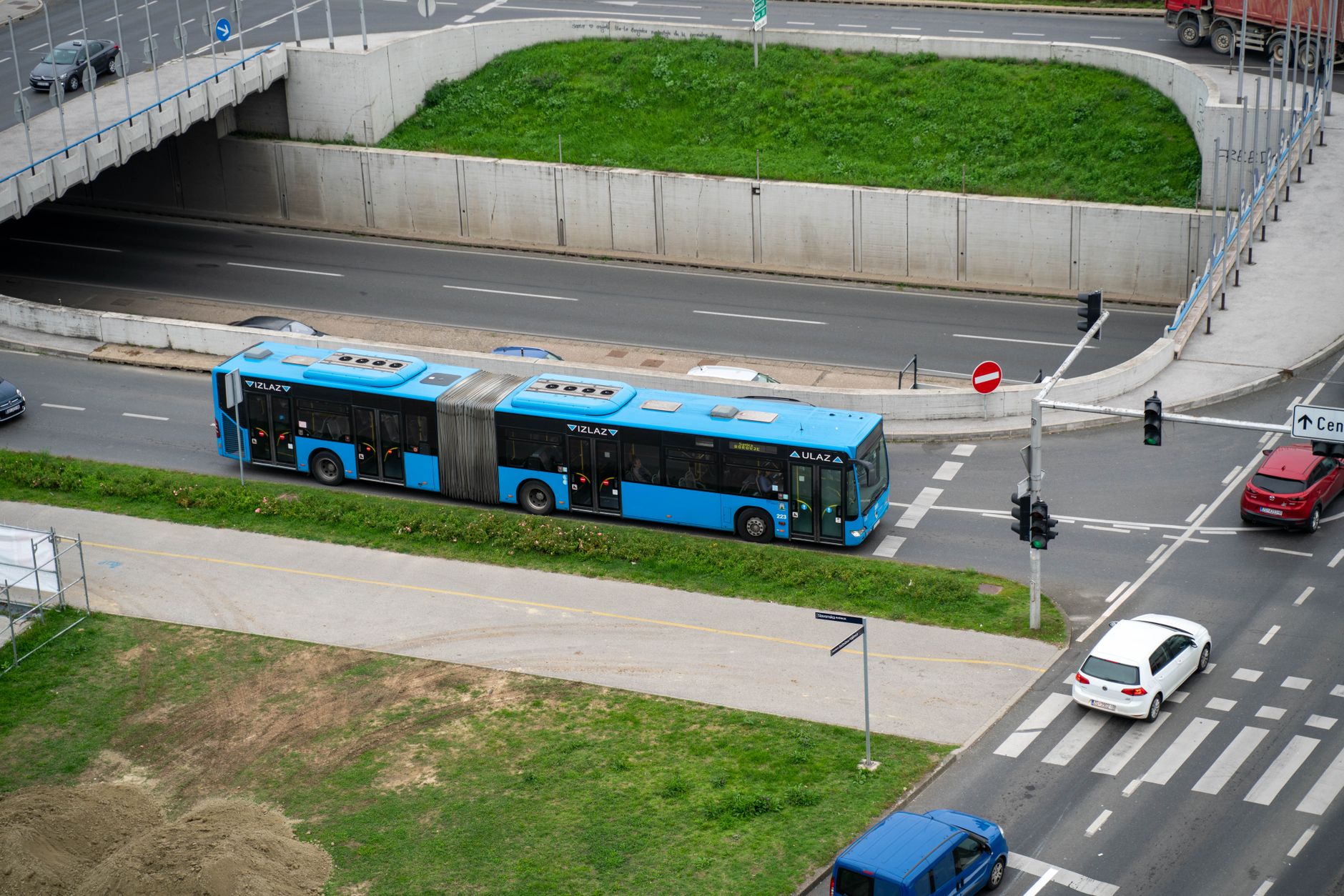
Smart traffic management systems use real-time data feeds, sensors, and machine learning to coordinate traffic signals dynamically. By providing Transit Signal Priority (TSP) to approaching buses and light rail vehicles, intelligent intersection controllers extend green lights or shorten red lights. This minimizes vehicle idle time and prevents forced stops, leading to smoother trips and substantial energy savings.
Beyond individual intersection management, AI dispatch systems optimize entire transit networks in real time. Automated fleet pacing algorithms calculate the ideal speed for every vehicle on a route based on passenger load, traffic density, and driver behavior. By removing human guesswork, transit networks achieve consistent headways and prevent fleet bunching—a major source of wasted kinetic energy.
For electric buses and passenger trains, AI dispatch unlocks a critical breakthrough: maximizing regenerative braking recapture. Regenerative braking captures energy lost during deceleration and converts it back into electricity. By using predictive AI scheduling, dispatch systems can align the deceleration of one train or bus with the simultaneous acceleration of another nearby vehicle on the same grid segment, feeding recovered power directly into the accelerating vehicle without grid loss.
Procuring new fleets of electric or hydrogen buses requires hundreds of millions of dollars in capital expenditure, alongside extensive infrastructure overhauls. In contrast, deploying AI dispatch software and updating existing traffic signal controllers delivers rapid energy reductions at a fraction of the cost.
For growing urban centers like Auckland, where public transport adoption is vital for climate targets, AI-powered transit optimization offers a pragmatic, high-impact path forward. As Auckland Transport enhances bus priority lanes and explores modern transit corridors, overlaying AI dispatch and smart signal algorithms can maximize existing network capacity while dramatically lowering operating costs and carbon footprints.