Physical Address
96B Grimmer Road, Hamilton Waikato 5810
Physical Address
96B Grimmer Road, Hamilton Waikato 5810

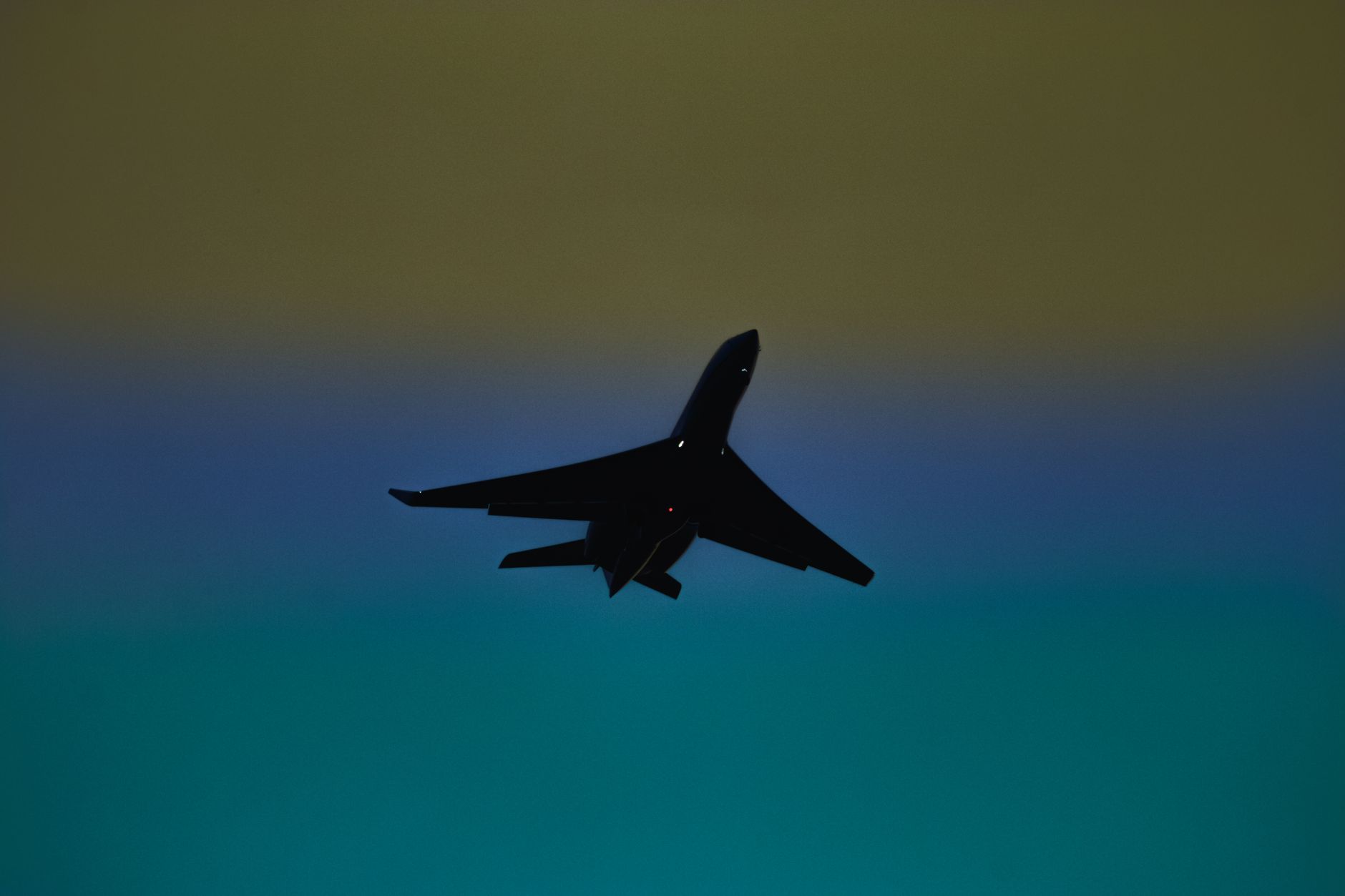
Blended-wing body aircraft promise up to 50 percent lower fuel burn, longer ranges, and revolutionary passenger cabin layouts. Discover how this aviation shift could redefine long-haul routes connecting Auckland, New Zealand, and the Pacific.
For decades, New Zealand’s geographic isolation has made long-haul connectivity both a necessity and a significant logistical challenge. Operating flights from Auckland Airport to major international hubs across the Americas, Asia, and Europe demands immense fuel loads, strict payload management, and specialized fleet strategies. However, a major structural design shift in commercial aviation—the Blended-Wing Body (BWB) aircraft—promises to fundamentally reshape the economics and range possibilities of trans-Pacific flight routes.
Unlike the traditional ‘tube-and-wing’ airframe that has dominated commercial aviation since the 1950s, a Blended-Wing Body aircraft merges the fuselage seamlessly into broad, aerodynamic wings. This integrated design allows the entire structure to generate aerodynamic lift, drastically reducing drag and surface friction.
Aerospace innovators and major defense contractors working on commercial BWB concepts project fuel burn reductions of up to 50% compared to contemporary twin-engine widebody aircraft. For ultra-long-haul routes serving Aotearoa, where fuel accounts for a massive proportion of direct operating costs, this efficiency jump represents a generational shift.
Operating long-haul flights across the vast Pacific Ocean poses unique challenges, particularly regarding weight limits and alternate airport availability. Traditional widebodies frequently encounter payload restrictions when operating ultra-long routes like Auckland to Houston, Chicago, or Santiago under unfavorable headwind conditions.
By maximizing aerodynamic efficiency and lift, BWB airframes can carry heavy fuel payloads without compromising cargo capacity or passenger seat count. Key implications for New Zealand connectivity include:
Beyond aerodynamics, the BWB architecture radically changes passenger seat economics. The expansive interior space provides a wider cabin layout rather than a long, narrow tube, allowing airlines to re-evaluate how space is monetized.
Lower seat-mile costs mean international airlines could offer more competitive fare structures across the Pacific while retaining high profitability. Furthermore, the cavernous belly space beneath the wide main passenger deck provides enhanced belly-freight capacity. For a nation heavily dependent on high-value exports like fresh produce, seafood, and agricultural tech, increased freight capacity on passenger flights directly benefits the local economy.
While the benefits are clear, adopting BWB aircraft presents infrastructural considerations for Auckland Airport and regional Pacific hubs. The wide wingspan of blended-wing jets will require updated airport gate geometry, specialized ground support equipment, and modified taxiways.
With companies like JetZero making strides alongside airline partners and government grants, commercial viability could materialize by the late 2030s. As air travel continues to grow, Aotearoa stands to be one of the greatest beneficiaries of this aerodynamic revolution, bringing the world significantly closer to our shores.