Physical Address
96B Grimmer Road, Hamilton Waikato 5810
Physical Address
96B Grimmer Road, Hamilton Waikato 5810

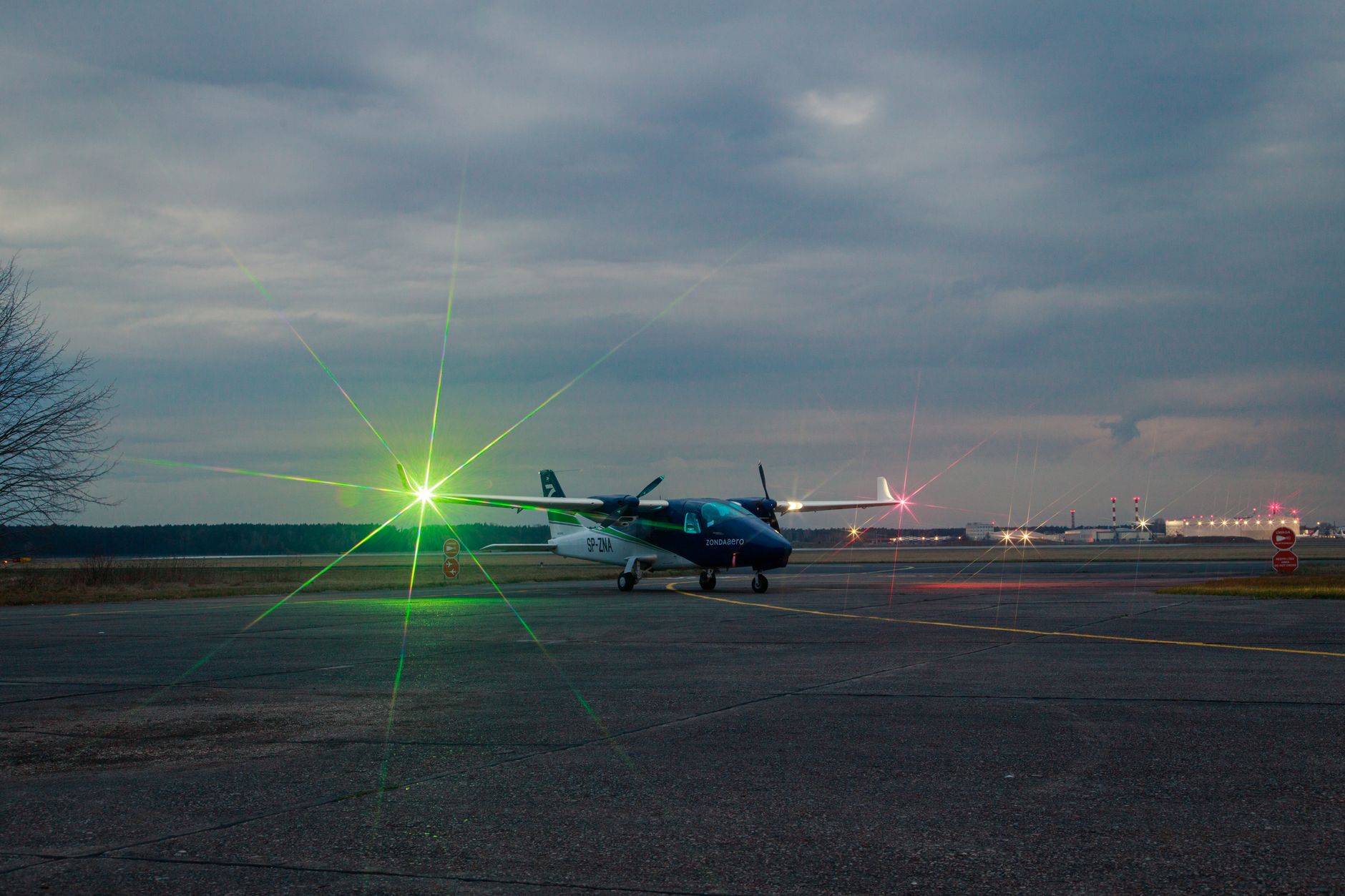
Explore how sub-20 seat regional electric aircraft are revolutionizing short-hop intercity flight economics, motor architectures, battery technology, and aviation certification.
Aviation is undergoing its most radical architectural shift since the jet engine replaced the piston motor. While transoceanic jumbo jets remain reliant on energy-dense liquid hydrocarbons, a quiet revolution is taking off at regional airfields. Small commuter aircraft equipped with fewer than 20 seats are fast becoming the proving ground for battery-electric propulsion, laying the foundation for zero-emission intercity transit.
For decades, sub-20 seat regional aviation suffered from challenging unit economics. Traditional turboprop engines require intensive maintenance routines, expensive jet fuel, and high operational overhead, making short regional routes between secondary cities difficult to run profitably. Battery-electric propulsion flips this economic model on its head.
The design of sub-20 seat electric planes breaks away from traditional twin-engine configurations. Engineers are taking advantage of the compact size and modularity of electric motors to experiment with novel motor architectures.
By placing multiple smaller electric motors along the wing leading edge, DEP increases airflow over the wings during takeoff and landing. This aerodynamic boost allows aircraft to operate from much shorter runways, unlocking hundreds of disused community airfields.
Rather than using heavy gearboxes, manufacturers like Magnix and Safran are deploying direct-drive high-torque electric motors. These units provide instant power response and maximum torque right from startup, enhancing efficiency during steep climb gradients typical of short-haul routes.
Despite the operational advantages, gravimetric energy density remains the biggest hurdle facing electric flight. Jet fuel delivers approximately 12,000 watt-hours per kilogram (Wh/kg), whereas current state-of-the-art commercial lithium-ion batteries yield around 250 to 300 Wh/kg.
Because battery mass does not burn off during flight like liquid fuel, an electric plane lands at the exact same weight it took off with. Consequently, current sub-20 seat designs focus on short sector distances of 100 to 250 nautical miles. While this range seems limited for international travel, it comfortably covers high-frequency commuter corridors across Europe, North America, and island archipelagos like New Zealand.
Airworthiness certification is the ultimate threshold before commercial operations begin. Regulatory bodies such as the FAA (US), EASA (Europe), and New Zealand’s Civil Aviation Authority (CAA) are adapting existing Part 23 airworthiness standards to accommodate electric powertrains.
New Zealand has positioned itself as an ideal testing and adoption hub. Short regional routes—such as flying across the Cook Strait between Wellington and Blenheim—align perfectly with early electric aircraft range profiles. Local operators like Sounds Air and national carrier initiatives under Air New Zealand’s Mission Next Gen HQ are working directly with global OEMs like Heart Aerospace, Eviation, and Beta Technologies to pioneer electric routes within this decade.
Regional electric aircraft under 20 seats are not just replacing legacy turboprops; they are revitalizing forgotten flight networks. By dramatically lowering operating costs and elimination of tailpipe emissions, battery-powered regional planes will soon connect regional communities faster, cleaner, and more affordably than ever before.