Physical Address
304 North Cardinal St.
Dorchester Center, MA 02124
Physical Address
304 North Cardinal St.
Dorchester Center, MA 02124

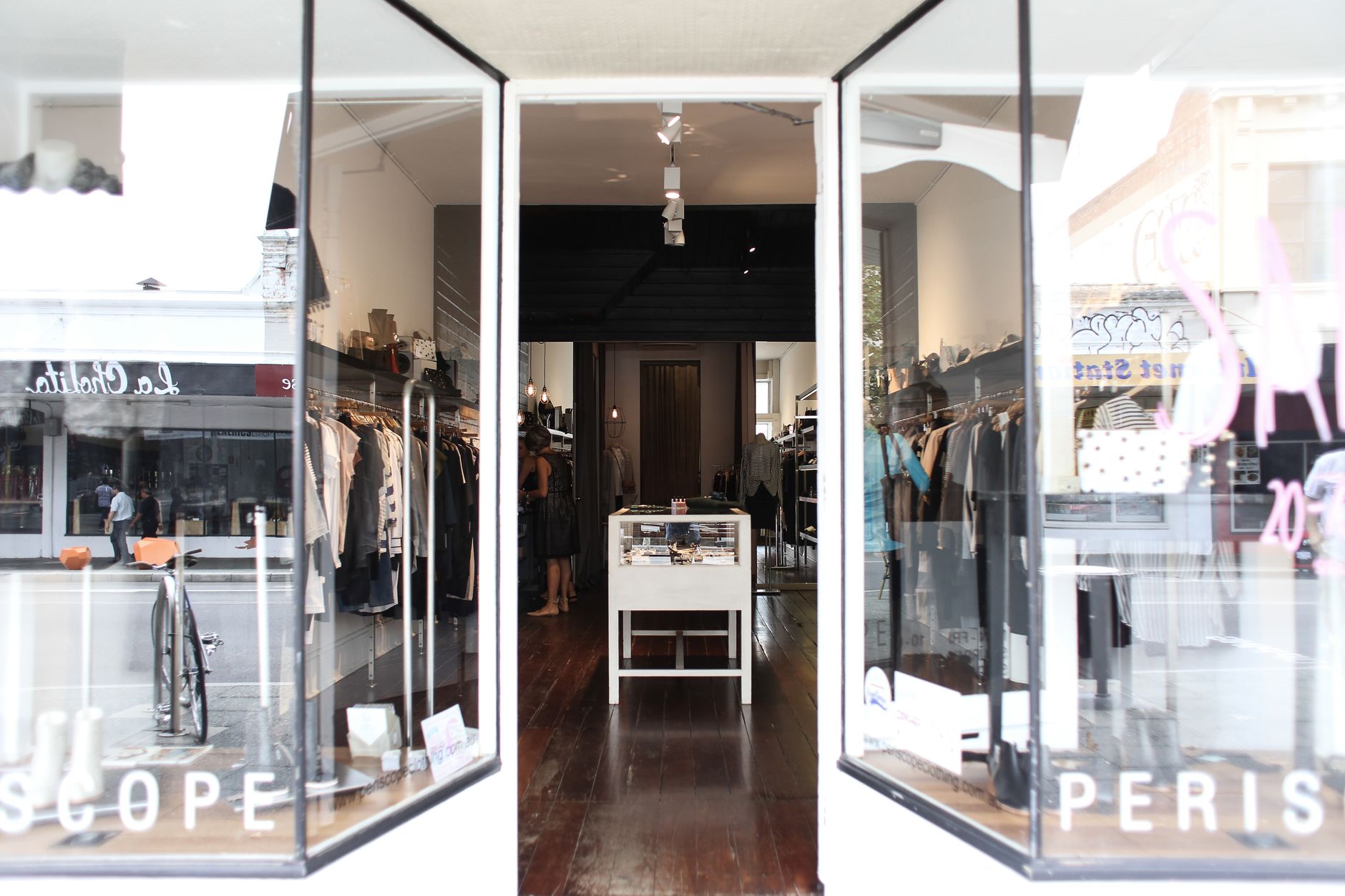
Fresh economic data from Stats NZ shows NZ retail sales volumes fell 0.5% in June 2026. Explore what the divergence between sales value and actual volume means for local businesses and Kiwi households.
Fresh economic indicators released by Stats NZ today paint a sobering picture of the Kiwi retail landscape. June 2026 saw seasonally adjusted retail sales volumes dip by 0.5%, signaling a persistent cooling in consumer demand across Aotearoa. This latest drop highlights the ongoing struggles faced by households navigating a complex post-inflation economy.
To truly understand what is happening on our high streets, from Auckland’s Queen Street to Wellington’s Golden Mile, we must look at the difference between retail sales volume and retail sales value.
When volumes fall while values rise or stay flat, it indicates that consumers are paying more for less. For households, this is a clear sign that the cost of living remains a heavy burden. For businesses, it means they are doing more work and handling more expensive inventory, but not necessarily moving more product off the shelves.
With retail activity sliding, everyday New Zealanders are clearly tightening their belts. Discretionary spending on electronics, apparel, and eating out has taken a noticeable hit. Aucklanders, in particular, are feeling the squeeze of high mortgage rates and utility bills, leading to a highly cautious approach to non-essential purchases. Households are increasingly prioritizing budget supermarket brands and delaying major household upgrades.
For Auckland’s local business owners, the 0.5% drop in volume is a call to innovate. Many retailers are reporting that while foot traffic remains steady in hubs like Westfield Newmarket, conversion rates and average basket sizes have shrunk. To combat this, businesses are leveraging loyalty programs, offering targeted promotions, and focusing heavily on the digital shopping experience to capture value where they can.
As we head into the latter half of 2026, market analysts are closely watching consumer confidence indexes. While the June data indicates a period of consolidation and caution, any potential easing of monetary policy later in the year could inject much-needed life back into the retail sector. Until then, Kiwi retailers must remain resilient, adaptive, and highly focused on delivering genuine value to budget-conscious shoppers.