Physical Address
96B Grimmer Road, Hamilton Waikato 5810
Physical Address
96B Grimmer Road, Hamilton Waikato 5810

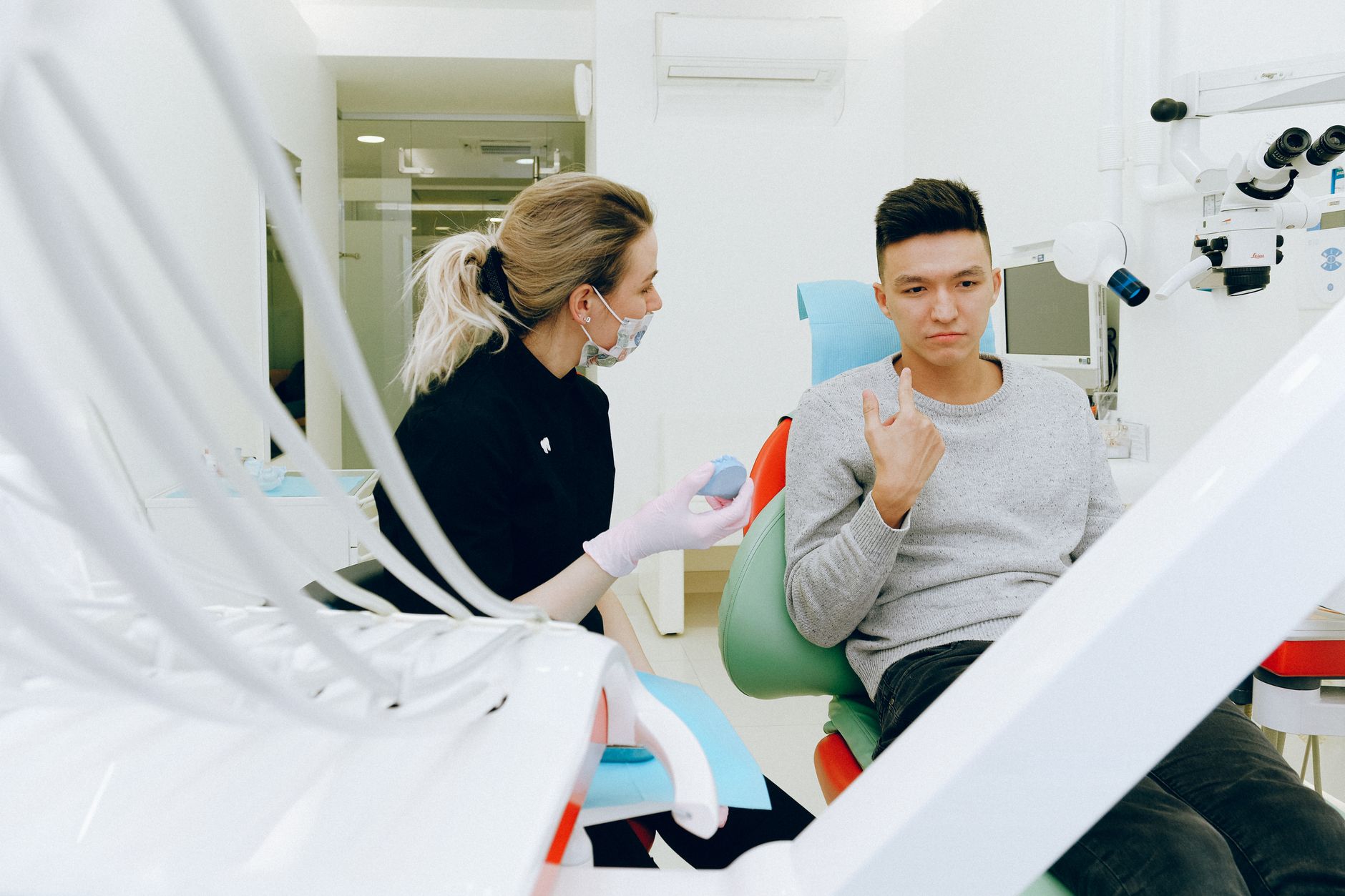
As National Oral Health Month ends, new data reveals that nearly 1 in 5 private dental positions in New Zealand are vacant, worsening the nation's oral health crisis.
As National Oral Health Month wraps up its annual advocacy campaign, stark figures reveal a compounding crisis in New Zealand’s dental landscape. Industry data shows that nearly 1 in 5 private dental practitioner positions across Aotearoa currently sit vacant. This severe workforce shortfall comes at a time when unmet dental care needs among Kiwis remain at historically high levels, threatening long-term public health outcomes.
The gap between needed dental care and available workforce capacity is widening rapidly, creating severe delays in routine cleanings, emergency treatments, and preventative care.
Several systemic factors contribute to this acute shortage of oral health professionals across the nation:
International recruitment has faced significant headwinds, while registration pathways for overseas-trained dental professionals remain complex and lengthy. Simultaneously, competitive international job markets continue to pull qualified Kiwi graduates overseas.
With private fees funding the vast majority of adult dentistry in New Zealand, rising operational overheads drive patient costs higher. This reduces affordability for households and increases the burden on an already understaffed dental network.
On the final day of National Oral Health Month, advocates and industry leaders are urging the government to enact urgent policy remedies. Proposed actions include streamlining overseas registration processes, expanding domestic training capacity, and increasing public funding for adult dental care. Without structural intervention, the oral health divide in Aotearoa threatens to deepen further.