Physical Address
304 North Cardinal St.
Dorchester Center, MA 02124
Physical Address
304 North Cardinal St.
Dorchester Center, MA 02124

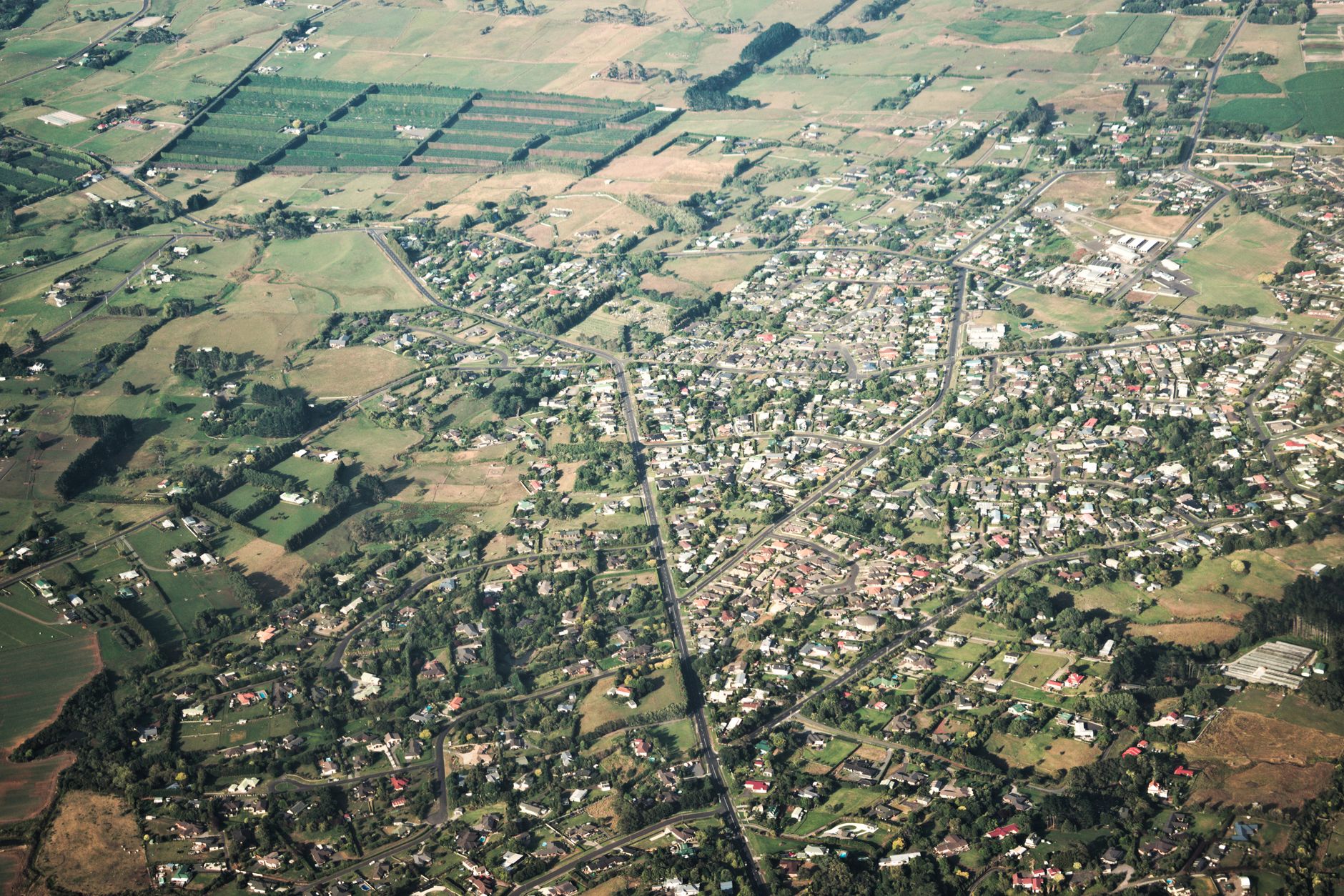
The latest NZ housing statistics July 2026 are out, revealing where renting and buying are most affordable across all 67 territorial authorities in New Zealand.
The fresh monthly housing-data release scheduled for today has arrived, offering a comprehensive look at the Kiwi property landscape. While standard headlines often fixate on whether nationwide average prices are rising or falling, the real story lies in the local details. By analyzing the NZ housing statistics July 2026 across all 67 territorial authorities, we can pinpoint exactly where renting offers better value than buying, and where homeownership is within closest reach.
In mid-2026, shifting interest rates and stabilized rental yields have created a unique dynamic. For the first time in several quarters, the cost gap between paying a mortgage and paying rent has narrowed significantly in regional areas. However, metropolitan centers like Auckland, Wellington, and Christchurch continue to show massive divergence, forcing residents to weigh immediate cash flow against long-term equity.
For buyers looking to get the most value for their dollar, the South Island and select provincial North Island districts dominate the affordability rankings in the NZ housing statistics July 2026.
Conversely, some regions present a compelling case for renting over buying. In these high-value zones, the monthly cost of servicing a standard 20% deposit mortgage far outstrips the local median rent.
In Auckland Central and the Queenstown-Lakes District, premium land values mean that buying is a long-term play. For those looking to maximize their monthly disposable income, renting in these metropolitan and tourism hubs remains far more financially viable than committing to a massive mortgage under current rates. The July data highlights that renting in Queenstown allows residents to live in premium locations at a fraction of the monthly cost of ownership, freeing up capital for external investments.
This month’s data proves that New Zealand is not a single housing market, but rather 67 distinct micro-markets. While provincial heartlands like Waimate, Clutha, and Southland offer immediate pathways to affordable ownership, high-growth corridors like Tauranga, Hamilton, and Selwyn require careful financial planning. As we navigate the second half of 2026, understanding these localized statistics is essential for anyone looking to make their next property move.