Physical Address
96B Grimmer Road, Hamilton Waikato 5810
Physical Address
96B Grimmer Road, Hamilton Waikato 5810

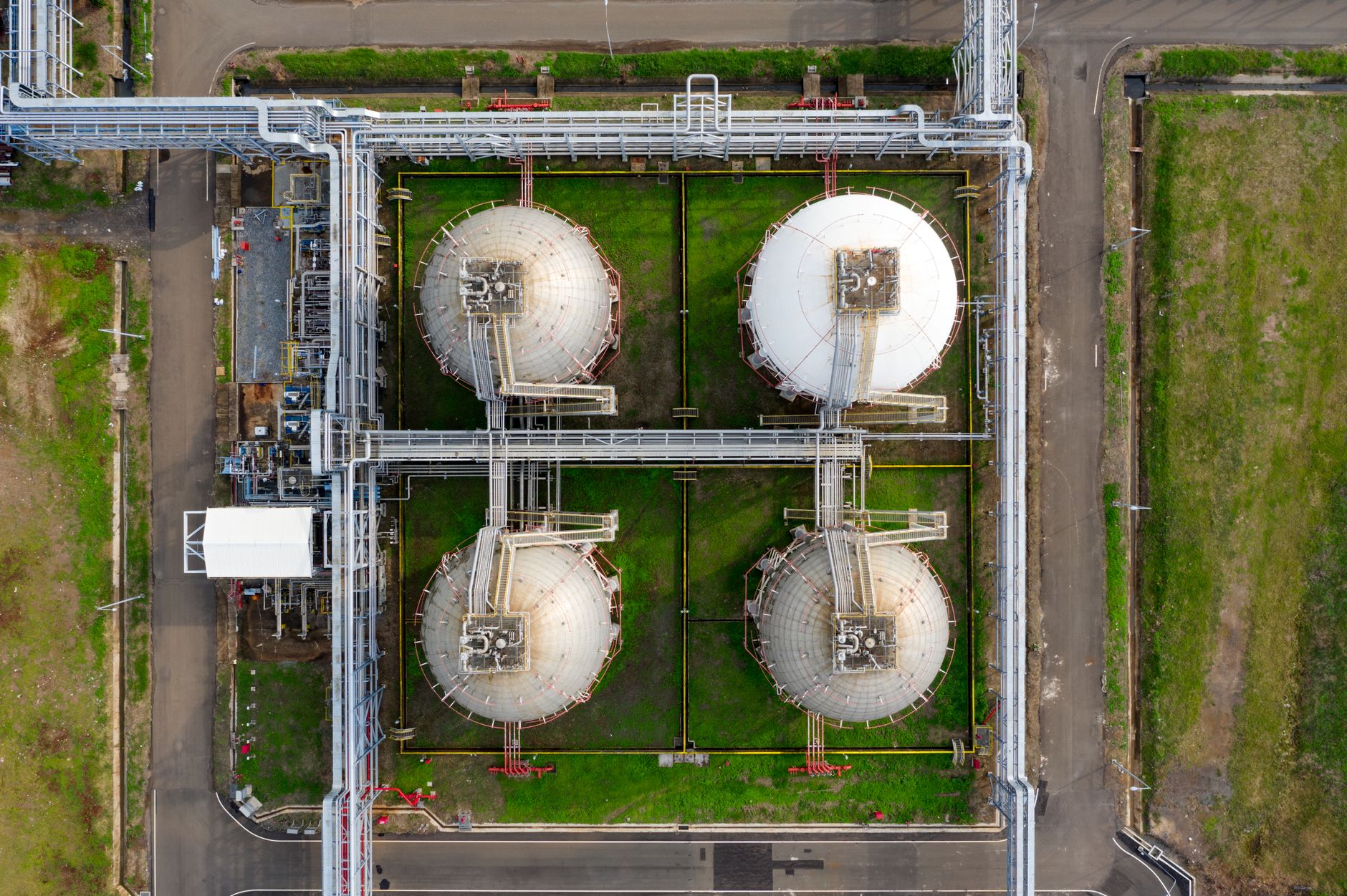
The New Zealand Government has scrapped royalties on 'cushion gas' to accelerate underground storage capacity, ensuring grid stability for winter 2026.
In a decisive policy move to bolster New Zealand’s energy resilience, the coalition government has announced the removal of royalty payments on ‘cushion gas’—the essential volume of natural gas required to maintain geological pressure inside underground storage reservoirs. This policy shift directly addresses growing concerns over winter electricity supply, positioning NZ gas storage 2026 infrastructure as a vital buffer against renewable energy droughts and unexpected peak power demands.
To store natural gas deep underground in depleted gas fields, operators must maintain a permanent baseline pressure. The gas that remains trapped in the reservoir to provide this structural pressure is known as cushion gas. Previously, energy companies faced royalty liabilities on this non-commercial gas as if it were actively extracted and sold, creating a substantial financial barrier to building large-scale storage capacity.
As Auckland and the wider North Island continue to demand high peak power during cold winter mornings, hydro lake levels and intermittent wind generation cannot always cover instantaneous spikes. Gas peakers play a critical role in filling these supply gaps. By enabling major operators to scale up underground storage facilities ahead of 2026, the government aims to mitigate severe price volatility and prevent potential power outages during peak winter heating periods.
This strategic announcement is part of a broader effort to strengthen New Zealand’s energy security portfolio. Industry stakeholders have welcomed the pragmatic reform, noting that robust gas storage capacity is necessary to bridge the transition gap while long-term renewable projects mature.