Physical Address
304 North Cardinal St.
Dorchester Center, MA 02124
Physical Address
304 North Cardinal St.
Dorchester Center, MA 02124

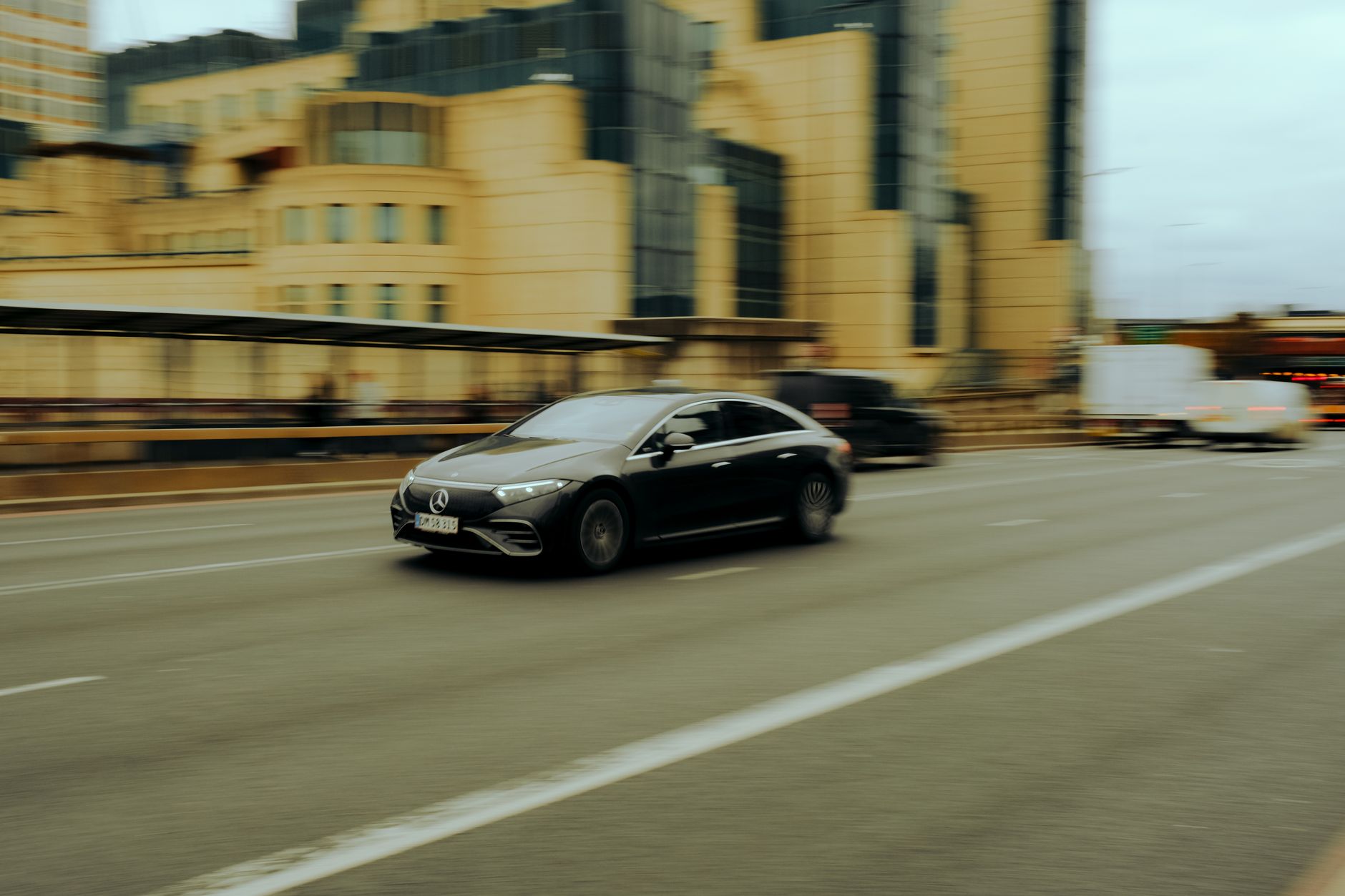
One in three New Zealand car buyers now includes a Chinese brand on their vehicle shortlist. Discover how shifting consumer sentiment, premium tech, and safety are driving the rise of Chinese cars in NZ towards 2026.
Auckland roads are witnessing a quiet revolution. It is no longer about whether Kiwis will buy Chinese-made vehicles; it is about how quickly they are adding them to their consideration sets. Recent consumer sentiment data reveals a striking trend: one in three Kiwi car buyers now includes at least one Chinese brand on their active vehicle shortlist. As we look towards the outlook for Chinese cars NZ 2026, this shift represents a fundamental transformation in consumer psychology.
Historically, Chinese vehicles were viewed primarily as budget-friendly alternatives. However, the modern Kiwi consumer is motivated by a different set of priorities. The latest wave of SUVs, utilities, and electric vehicles (EVs) entering the New Zealand market from brands like BYD, GWM, and MG are winning on technology, safety, and design.
Today’s buyers expect seamless integration, over-the-air updates, and premium cabin electronics. Chinese manufacturers have treated these features as standard rather than expensive add-ons, forcing traditional European and Japanese brands to play catch-up.
An essential milestone for local acceptance has been ANCAP safety ratings. Achieving top-tier five-star safety ratings has dismantled the historical hesitation around safety, giving Auckland families the confidence to put these vehicles on their shopping lists.
For fleet managers and private buyers alike, the decision-making matrix has permanently altered. When planning vehicle fleets or family upgrades for the coming years, decision-makers are comparing total cost of ownership (TCO) and warranty periods. Many Chinese marques now offer peace-of-mind warranties that match or exceed established players, cementing their spot on the shortlist.
As we edge closer to 2026, the competitive landscape in New Zealand will likely intensify. The inclusion of Chinese brands on shortlists is transitioning from a trend to an established market baseline. Established automotive legacy brands can no longer rely purely on heritage; they must compete directly with the rapid innovation cycles coming out of Shanghai, Shenzhen, and Baoding.