Physical Address
304 North Cardinal St.
Dorchester Center, MA 02124
Physical Address
304 North Cardinal St.
Dorchester Center, MA 02124

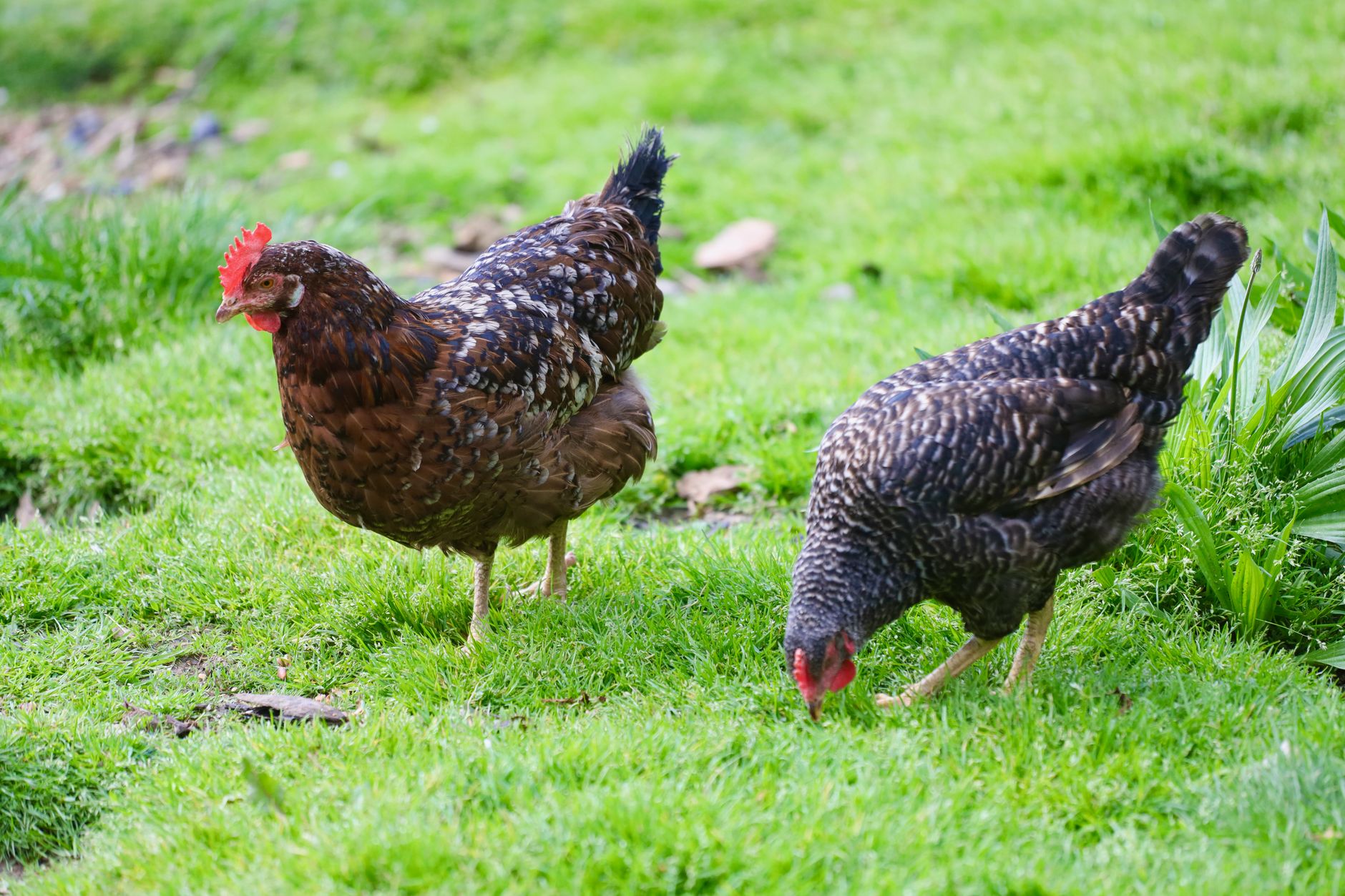
While high-pathogenicity H5 avian influenza has not been detected in New Zealand poultry, biosecurity preparedness remains crucial in 2026. Here is what backyard chook keepers and commercial farmers should do to protect their flocks.
As global reports of high-pathogenicity avian influenza (HPAI) H5 strains continue to make international headlines into 2026, New Zealand remains in a uniquely fortunate position. To date, H5 bird flu has not been detected in New Zealand domestic poultry or native wild bird populations. However, biosecurity authorities, the Ministry for Primary Industries (MPI), and wildlife experts emphasize that proactive preparedness is vital. Understanding wild bird migration routes and maintaining strict biosecurity are the best ways to keep our flocks safe.
Whether you keep three hens in a suburban Auckland backyard or manage a small lifestyle block in the Waikato, everyday hygiene practices play a massive role in protecting national avian health. Wild waterfowl like ducks and swans are natural reservoirs for influenza viruses and can easily spread pathogens to domestic coops through droppings or shared feeding spots without showing severe symptoms themselves.
New Zealand’s egg and poultry industries maintain rigorous biosecurity standards under national surveillance frameworks. Commercial operators are advised to audit their biosecurity plans regularly as seasonal migratory wild bird patterns shift across the Pacific.
Because New Zealand remains free of H5 HPAI, early detection and rapid reporting are critical. Backyard and commercial poultry owners should watch for severe lethargy, sudden mortality, swelling around the head, or dramatic drops in egg production.
If you notice suspicious symptoms or find multiple dead wild birds in your area, avoid direct physical contact. Immediately call the MPI Exotic Pest and Disease Hotline on 0800 80 99 66 or consult a local veterinarian.