Physical Address
96B Grimmer Road, Hamilton Waikato 5810
Physical Address
96B Grimmer Road, Hamilton Waikato 5810

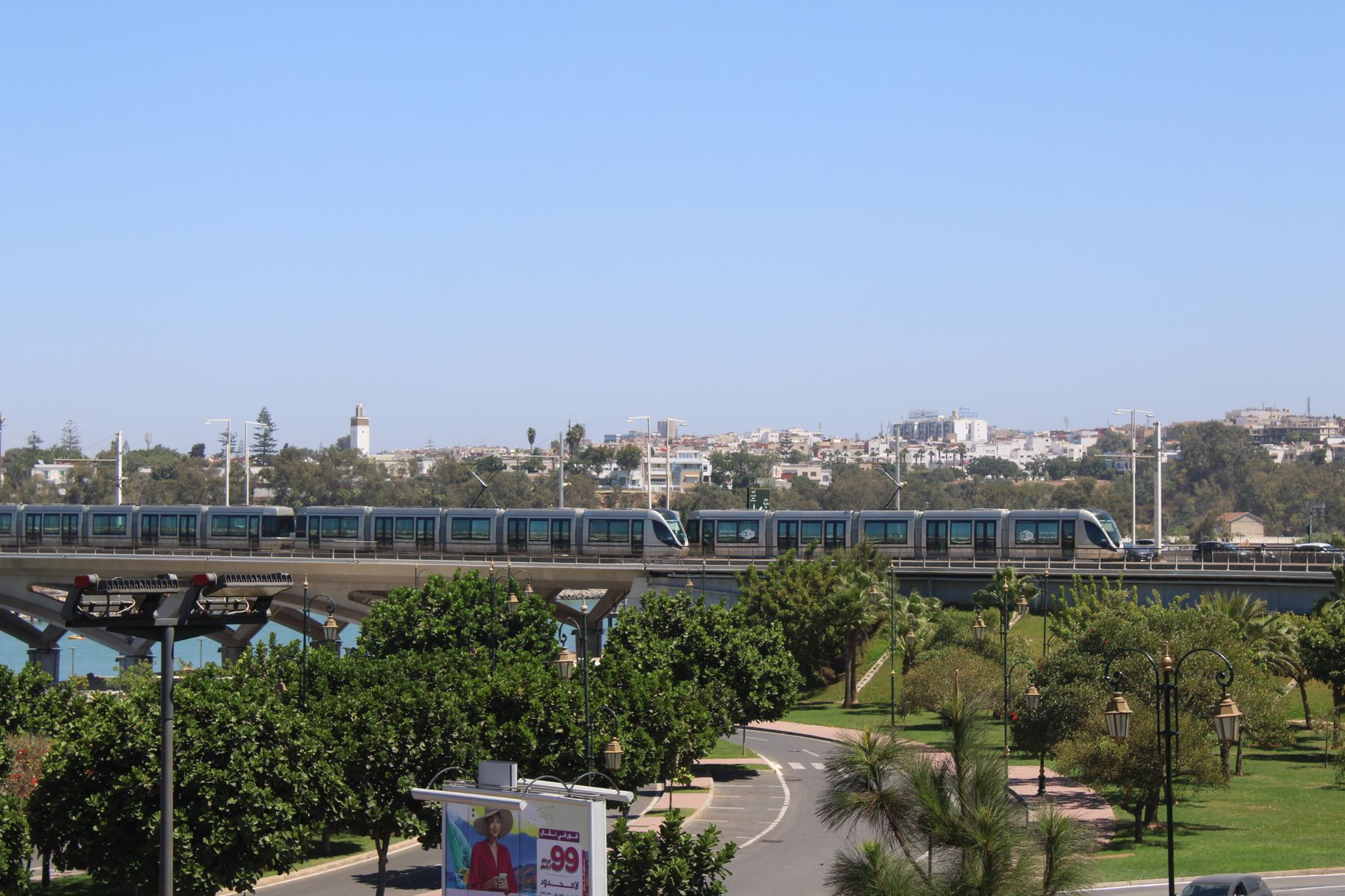
As modern cities reshape urban transit, the debate between ground-level power supply and overhead wires highlights crucial trade-offs in aesthetics, safety, and infrastructure costs.
Urban transit systems around the globe are undergoing a dramatic quiet revolution. For over a century, light rail systems and streetcars relied almost exclusively on standard overhead catenary wires to draw electrical power. While efficient and mechanically straightforward, overhead catenary lines create visual clutter, restrict tall vehicle transport, and pose maintenance challenges in harsh weather conditions. Today, cities evaluating modern light rail networks are turning toward wire-free light rail technology to preserve urban aesthetics and improve safety.
Ground-Level Power Supply (APS, short for Alimentation par le Sol) utilizes an embedded conductor rail placed between the running tracks. Unlike historical third-rail systems used in metro networks, modern APS is engineered with safety as a primary requirement. The center rail is divided into neutral sections and active power segments.
Power is delivered dynamically: an embedded segment is energized only when a tram or light rail vehicle is physically directly above it. As the vehicle advances, the segment behind it powers down, and the segment ahead activates seamlessly. This prevents any risk of electric shock to pedestrians, cyclists, or wildlife crossing the trackway in dense pedestrian zones.
From heritage districts in Bordeaux and Sydney to proposed urban corridors in growing South Pacific hubs, eliminating overhead wires preserves iconic streetscapes and unobstructed views. Ground-level systems allow historic architecture to shine without being dissected by webs of copper cables and steel support poles.
Another rapidly maturing alternative is onboard energy storage utilizing advanced supercapacitors and lithium-ion batteries. Rather than drawing continuous power from continuous rails or wires, trams equipped with supercapacitors recharge rapidly at station stops during passenger boarding.
Using rapid pantographs or subterranean charging plates at stations, supercapacitors can draw massive amounts of energy in under 20 seconds. This flash-charging technique provides enough power to propel the vehicle to the next station stop without any continuous ground or overhead power connection along the running track.
While wire-free transit delivers distinct visual and urban design advantages, municipal planners must balance these benefits against financial realities. Track construction costs vary significantly between traditional overhead wires and ground-level power systems.
As cities expand their public transport corridors, selecting the right electrification method demands a tailored approach. Dense city centers and heritage zones heavily favor ground-level power supply or supercapacitor tech to enhance liveability, while suburban arterial routes may still utilize traditional overhead wires to keep capital costs manageable. The future of light rail is no longer one-size-fits-all, but a flexible hybrid of cutting-edge power delivery systems.