Physical Address
96B Grimmer Road, Hamilton Waikato 5810
Physical Address
96B Grimmer Road, Hamilton Waikato 5810

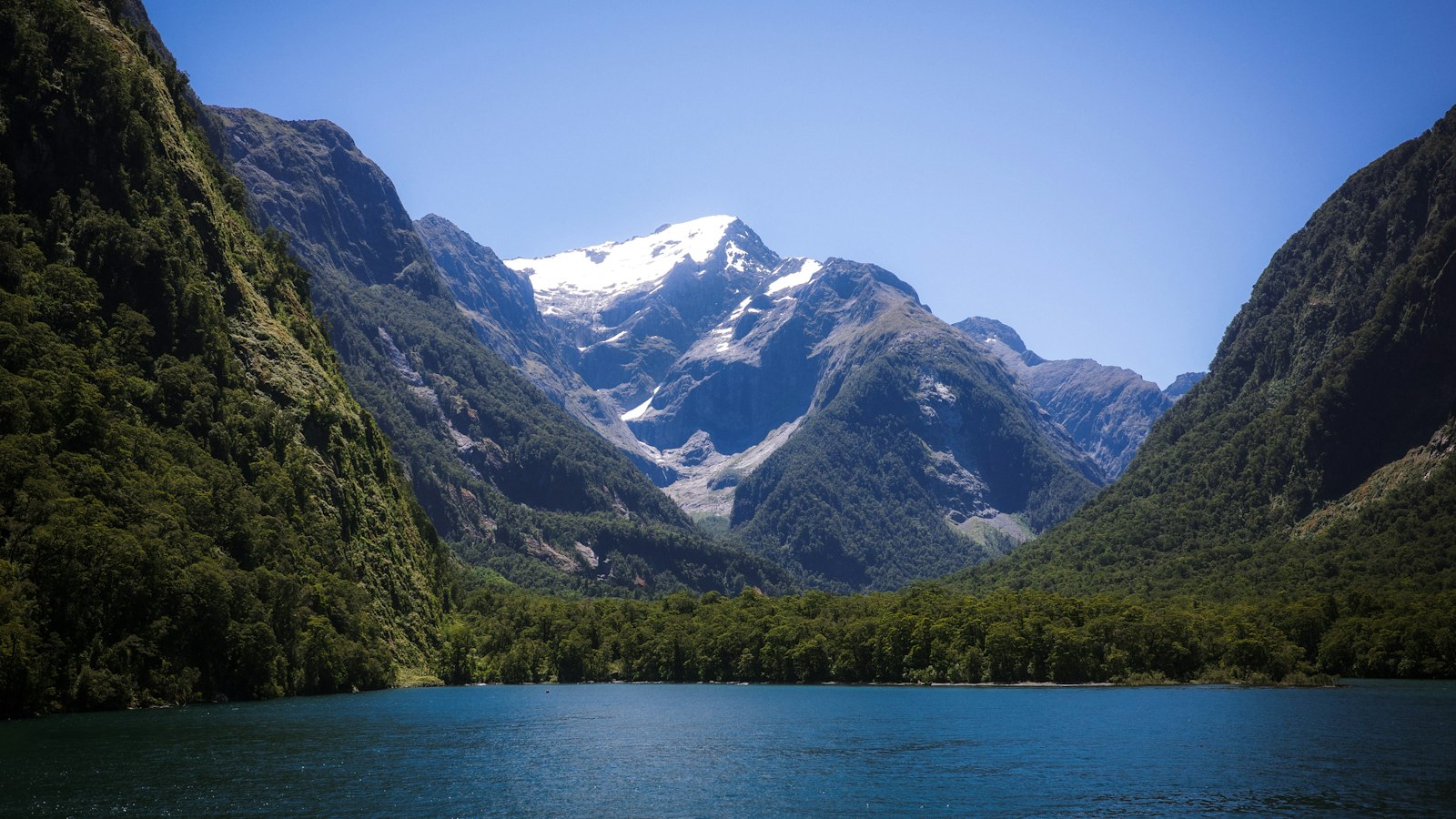
Moving from India to New Zealand means relearning the calendar. Christmas arrives in summer, July is the coldest month, and a “cold day” in Auckland is not the same thing as a cold day in Queenstown. Here is how New Zealand’s weather actually works, region by region and season by season, using data from NIWA (Earth Sciences New Zealand).
New Zealand sits in the Southern Hemisphere, so its seasons run opposite to India’s:
If you land in July expecting monsoon-style warmth, you will be disappointed. The other surprise for many Indians is that there is no monsoon at all: rain falls through the year, and in the north and centre of the country winter is actually the wetter season, while much of the South Island is driest in winter.
NIWA describes New Zealand’s climate as varying from warm subtropical in the far north to cool temperate in the far south, with severe alpine conditions in the mountains. A few national numbers worth knowing:
The single most important thing to understand is the mountains. The ranges running the length of the country block the prevailing westerly winds, so the West Coast of the South Island is the wettest part of New Zealand while areas just over 100 km to the east are the driest. Milford Sound gets over 6,700 mm of rain a year; Alexandra in Central Otago, barely 100 km away, gets around 300 mm.
Northland and Auckland (subtropical north). The warmest, most humid part of the country. Auckland’s average mid-summer high is about 23.7°C and its mid-winter high about 14.7°C, a gentle 9-degree swing. Rain falls year-round with a winter peak. Winters are mild and frost is rare near the coast, but the humidity makes 15°C feel colder than it sounds.
Waikato and the Central North Island (Hamilton, Rotorua, Taupō). Hamilton is warmer than Auckland in summer (mean annual maximum around 24.6°C) but noticeably colder on winter nights, with foggy mornings and regular frosts inland. Rotorua and Taupō sit at altitude, so winters bite harder.
Wellington and the lower North Island. Famous for wind, and the reputation is earned: the Cook Strait funnels gales through the capital. Temperatures are moderate (mean annual max around 20.3°C), but the wind chill is what newcomers remember. Rainfall is around 1,300 mm a year.
East Coast North Island (Gisborne, Napier, Hastings). Sheltered from the westerlies, these are among the sunniest, driest cities, with summer highs often the warmest in the country. Hastings averages around 25.5°C in summer.
Nelson, Marlborough and the top of the South Island. Regularly the sunshine capital of New Zealand, with Blenheim notably dry at around 639 mm of rain a year.
West Coast (Westport, Hokitika, Franz Josef). The wettest region in the country. Westport alone gets over 2,000 mm a year, and the glaciers’ valleys get far more. If you live here, you own good rain gear.
Canterbury (Christchurch). One of the driest main centres at around 618 mm a year, but with the sharpest mood swings: the nor’wester, a dry föhn wind off the Southern Alps, can push temperatures into the high 30s in summer, while winter brings frosts and occasional snow. Rangiora holds the national record of 42.4°C. Christchurch’s mean winter minimum is around 0.7°C.
Otago and the deep south (Dunedin, Queenstown, Invercargill). Real winters. Queenstown’s mean winter minimum is below zero (-1.4°C) and Central Otago regularly drops far lower; Ranfurly holds the national record of -25.6°C. Dunedin stays cool year-round (mean annual max about 14.6°C). Summers can still be hot inland, with daily temperature swings over 25°C in the interior.
Summer (Dec-Feb): Daytime highs in the low-to-mid 20s for most of the country. This is beach, barbecue and road-trip season, and when UV is dangerous. Book summer travel early; domestic tourism peaks between Christmas and late January.
Autumn (Mar-May): Many locals call it the best season: settled weather, warm days, cool nights, autumn colour in Central Otago and Hawke’s Bay.
Winter (Jun-Aug): Mild and wet in the north (Auckland highs around 14-15°C), genuinely cold in the south and inland, with snow to low levels in the South Island some years. Snow rarely falls in coastal North Island towns. Ski season runs roughly June to October.
Spring (Sep-Nov): The most changeable season, with fast-moving fronts, wind and “four seasons in one day” weather. Layers are your friend.
The cold inside the house. The biggest shock for most newcomers is not the outdoor weather but older, poorly insulated rentals. Since 2019, healthy homes standards have required rentals to have a fixed heater and meet insulation rules, but compliance varies. Check heating and insulation before signing a lease, and budget for winter power bills.
Clothing: You do not need Delhi-winter levels of heavy gear for Auckland, but you need a proper rain jacket everywhere, thermals for the South Island, and layers for spring. Buy down jackets and merino locally on sale; they are designed for exactly this climate.
Sun safety: Whatever your skin tone, NZ’s UV is harsher than India’s at equivalent temperatures. Sunscreen, a hat and sunglasses from October to March.
Driving: Black ice and frosts are a winter morning hazard in the south and inland; carry chains if you are heading into alpine passes in winter.
Related reading: Renting Your First Home in New Zealand: A Newcomer’s Guide to Bonds, Rights and Healthy Homes
Last checked: October 20, 2026. Sources: NIWA – Overview of New Zealand’s climate, city climate normals compiled from NIWA 1991-2020 data. For daily forecasts and severe weather warnings, use MetService, New Zealand’s official weather authority.
Related reading: our New Zealand housing market outlook for October 2026 and the New Zealand visitor visa guide for Indian families.






[…] A house that feels “a bit chilly” at a spring viewing can be miserable in July. (Our NZ weather guide explains why a Wellington July is not a Delhi […]