Physical Address
304 North Cardinal St.
Dorchester Center, MA 02124
Physical Address
304 North Cardinal St.
Dorchester Center, MA 02124

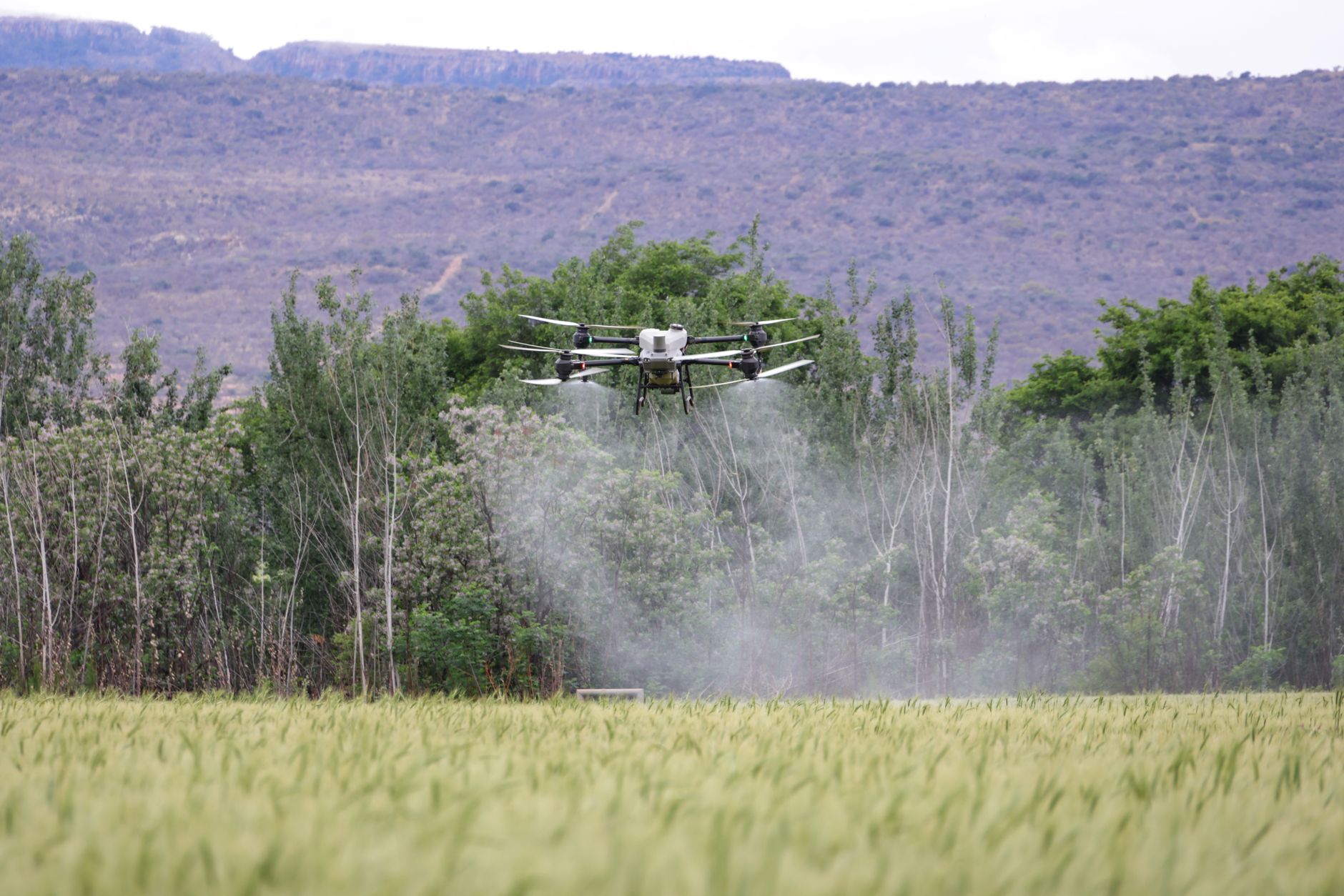
In a major boost for the Kiwi agritech sector, the New Zealand government has announced a comprehensive overhaul of agricultural drone rules, slashing commercial certification hurdles for routine spraying and seeding by mid-2027.
New Zealand’s agricultural landscape is on the brink of a high-tech revolution. In a highly anticipated move, the Government has announced a sweeping overhaul of agricultural drone regulations. By mid-2027, routine drone operations—such as spraying, seeding, and crop monitoring—will see significantly relaxed commercial certification hurdles, making it easier than ever for Kiwi farmers to adopt advanced agritech solutions.
Currently, farmers wishing to operate heavy agricultural drones for routine activities face complex and costly certification pathways. These regulatory barriers have historically slowed down the adoption of smart farming technologies across the country. Under the new proposals, the Civil Aviation Authority (CAA) will streamline approval processes, transition routine operations into standard operating frameworks, and reduce the compliance burden for rural operators.
Drone technology offers unprecedented precision. By targeting specific areas of a field, agricultural drones minimize chemical waste, reduce run-off into local waterways, and lower the carbon footprint of traditional tractor-based spraying. Removing these regulatory hurdles means Kiwi farmers can respond dynamically to pest outbreaks, optimize crop yields, and manage labor shortages more effectively.
While the transition is planned to be fully implemented by mid-2027, the government and industry bodies are already working closely together to establish safety baselines. Training programs and simplified pilot licensing will be rolled out to ensure that as drone use scales up, New Zealand’s skies remain safe for all airspace users. Stay tuned to Elvion Pulse as we track this exciting leap forward for Kiwi farming.