Physical Address
304 North Cardinal St.
Dorchester Center, MA 02124
Physical Address
304 North Cardinal St.
Dorchester Center, MA 02124

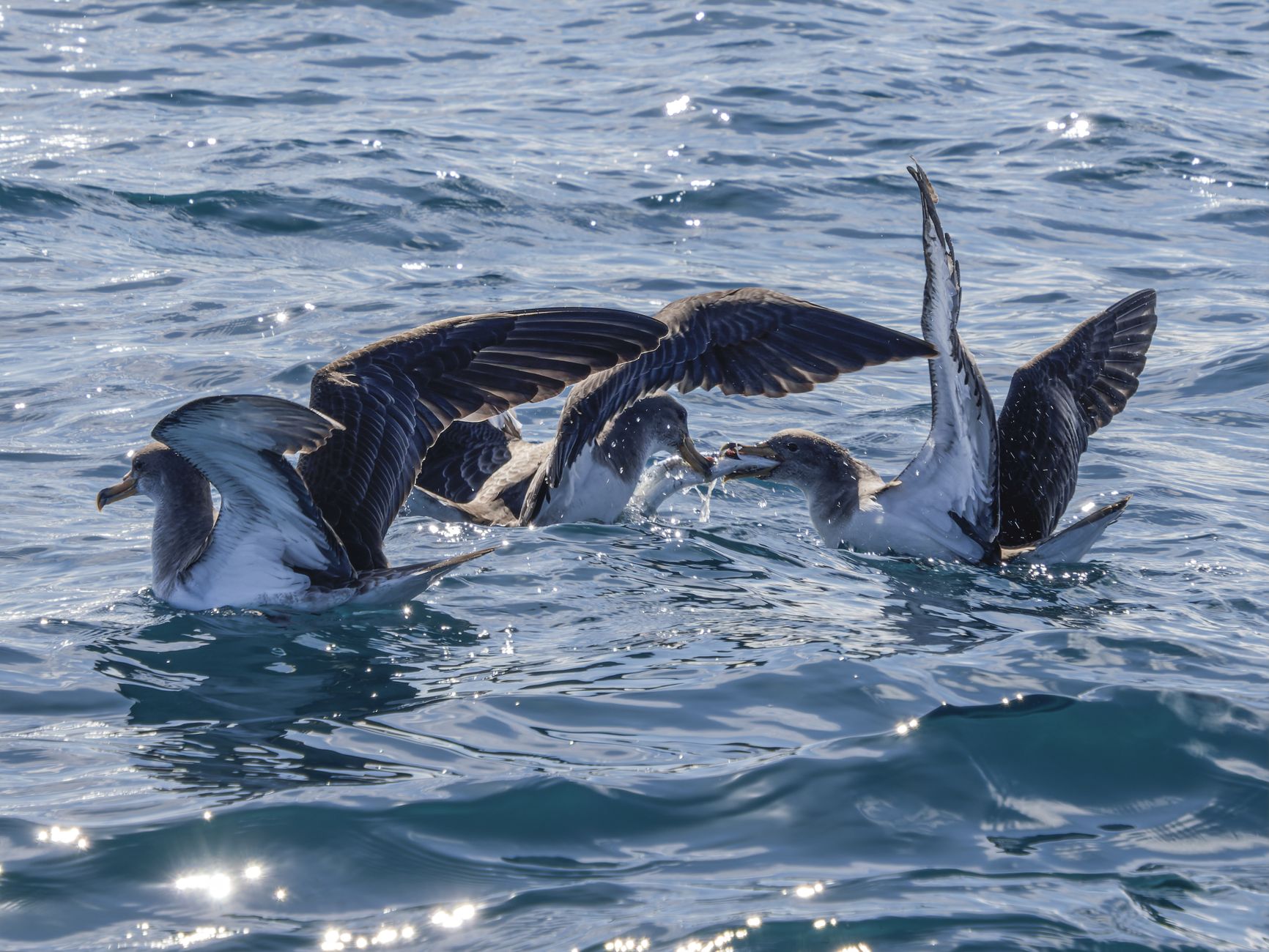
Biosecurity New Zealand has confirmed a third H5 avian influenza case in a wild northern giant petrel near Cape Palliser in Wairarapa. Here is what you need to know about egg safety, poultry risks, and public advice.
Biosecurity officials have confirmed a third case of H5 avian influenza in New Zealand wild birds after a northern giant petrel tested positive near Cape Palliser in the Wairarapa region. This latest finding follows previous detections in wild seabirds, sparking heightened surveillance across the country’s coastal regions and wildlife hotspots.
While news of bird flu can sound alarming given global headlines regarding high-consequence outbreaks overseas, Ministry for Primary Industries (MPI) officials emphasize that New Zealand remains vigilant. Understanding what this means for local wildlife, the poultry sector, and everyday consumers is essential as authorities monitor the situation.
The northern giant petrel was discovered sick on the Wairarapa coast and subsequently tested by MPI diagnostic laboratories. This confirmation marks the third wild bird to test positive for an H5 strain of avian influenza in recent months.
Biosecurity New Zealand continues to conduct full genomic sequencing on samples to determine the exact strain and pathogenicity. Currently, New Zealand remains free from the high-pathogenicity H5N1 strain that has impacted commercial poultry farms across North America, Europe, and Asia. Authorities are working closely with conservationists and marine bird specialists to track any potential spread among native wild populations.
For supermarket shoppers and household cooks across Aotearoa, the current risk to commercial poultry and food security remains extremely low.
With wild seabirds carrying the virus, backyard chicken owners and commercial egg producers are encouraged to take proactive biosecurity measures:
Members of the public play a crucial role in early detection. If you spot dead or sick wild birds—especially seabirds, waterfowl, or multiple birds in one area—follow these official guidelines:
As Biosecurity NZ continues its active surveillance around Cape Palliser and the wider Wairarapa coastline, staying informed and reporting unusual bird deaths remains New Zealand’s strongest defense.