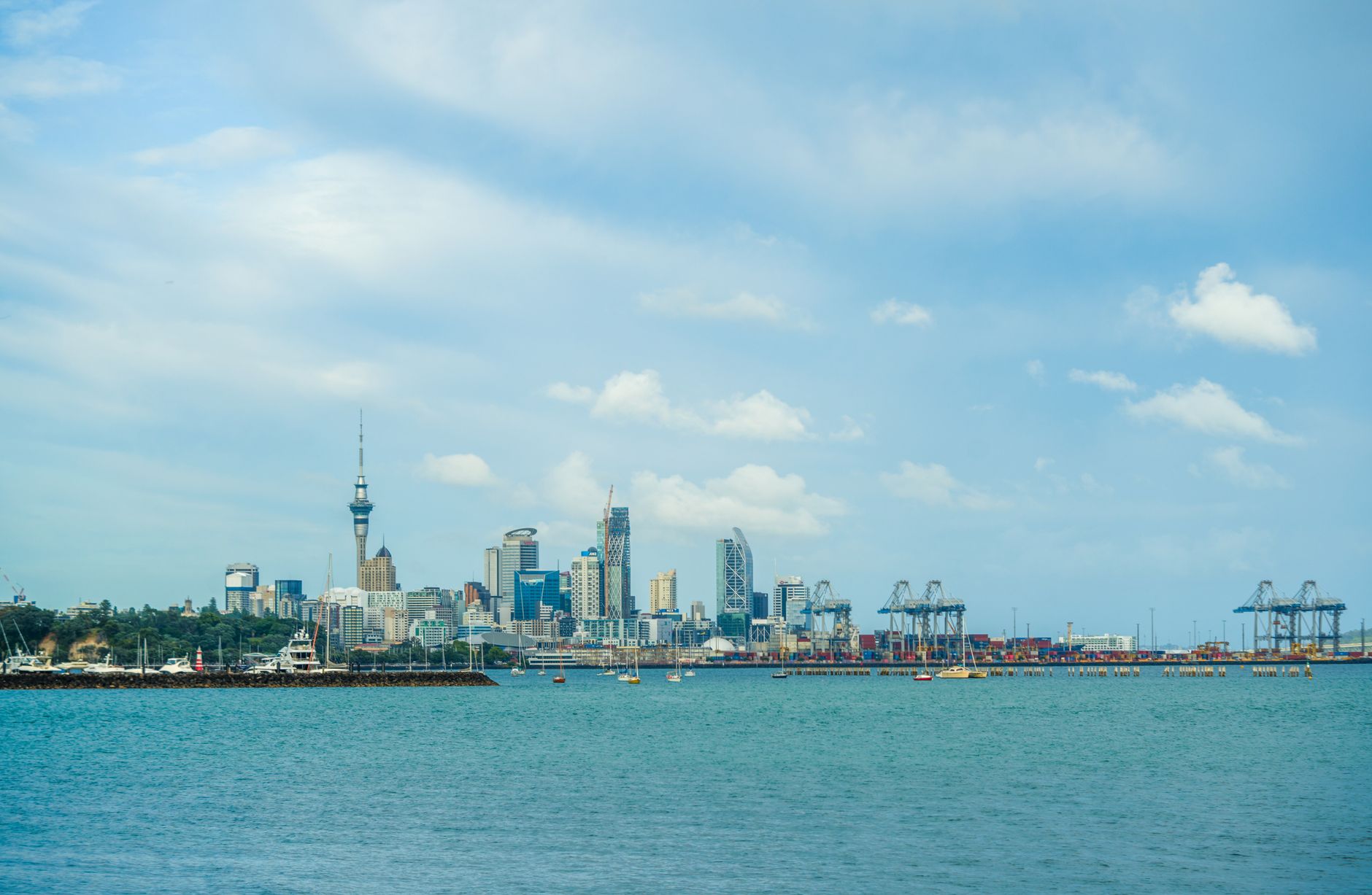
Living in Tāmaki Makaurau offers an unbeatable lifestyle—world-class harbours, lush regional parks, and a vibrant multicultural food scene. However, staying on top of your finances in New Zealand’s largest city requires smart planning. As we step through 2026, understanding the current economic landscape is essential for students, young professionals, and families alike.
From shifting rental yields in central suburbs to updated public transport caps and grocery basket realities, here is your comprehensive breakdown of the real cost of living in Auckland in 2026, along with actionable ways to stretch your Kiwi dollar further.
Auckland Rent Breakdown in 2026: Suburbs & Expectations
Housing remains the single largest expense for most Aucklanders. Rental prices have stabilized compared to peak spikes, but demand remains high around key transport corridors and schooling zones.
- CBD & Fringe (Ponsonby, Parnell, Mt Eden): A modern one-bedroom apartment in the city center averages between $520 and $610 per week. Sharing a character villa in Ponsonby typically costs around $260–$340 per room, excluding utilities.
- Central-West & Isthmus (Kingsland, Morningside, Avondale): Excellent access to train lines makes these areas popular for young professionals. Average rent for a two-bedroom unit sits at $600–$680 per week.
- Outer Suburbs (Henderson, Manukau, Albany): Farther from the city center, three-bedroom townhouses range between $670 and $780 per week, offering better value per square metre for growing families.
Pro Tip: Factor in power and internet costs, which average around $200–$280 per month for a standard two-to-three-person household.
Navigating Auckland Transport Expenses: AT HOP Fares & Cars
Getting around Auckland requires a strategic approach to avoid burning through your weekly budget. Auckland Transport (AT) continues to push public transit adoption with capped integrated fares across buses, trains, and inner-harbour ferries.
- Public Transit (AT HOP): Commuters utilizing integrated fares across 1–2 zones typically spend between $35 and $55 weekly. Taking advantage of daily and weekly fare caps provides significant savings for daily CBD commuters.
- Driving & Parking: Fuel prices fluctuate around $2.60 to $2.90 per litre for standard unleaded petrol. Central city parking remains costly, averaging $18–$35 per day for early-bird rates. If you commute daily, combining park-and-ride options with rail services often saves up to $120 a week compared to driving all the way in.
Weekly Grocery Budgets: Supermarket Realities
Grocery costs require active management, though expanding discount supermarket chains have introduced needed competition into the Auckland market.
For a single adult, a realistic weekly grocery budget ranges from $110 to $150. Couples can expect to spend $220 to $310, while a family of four averages $380 to $500 per week for balanced nutritional meals.
- Where to shop: Hypermarket formats like Pak’nSave offer lower pricing on pantry staples. Specialty Asian supermarkets (such as Tai Ping or Smart Supermarket) present exceptional value for fresh produce, spices, and bulk rice.
- Local Markets: Farmers’ markets like the Sunday Avondale Flea Market or Grey Lynn Farmers Market remain top choices for buying seasonal fruit and vegetables at direct-from-grower prices.
Practical Savings Tips for Aucklanders in 2026
Living well in Auckland doesn’t mean skipping out on the experiences that make the city special. Here are four practical strategies to keep your budget balanced:
- Embrace Off-Peak Travel: Use Auckland Transport services during off-peak hours (weekdays 9:00am–3:00pm and after 6:30pm, plus all day weekends) to receive an automatic 50% discount on standard HOP card rates.
- Shop Seasonal & Local: Align your meal planning with local harvest seasons in New Zealand to avoid inflated import prices.
- Review Power Providers Annually: Take advantage of time-of-use power plans that offer free off-peak electricity hours (e.g., night-owl power plans) to run heavy appliances like washing machines and EV chargers.
- Leverage Free Regional Amenities: Auckland’s best assets—from hiking in the Waitākere Ranges and strolling around Cornwall Park to swimming at Takapuna Beach—cost absolutely nothing.
By understanding your baseline fixed expenses and leveraging local hacks, living in Auckland in 2026 can be both financially sustainable and immensely enjoyable.
About The Author
Daylon Sckoze is the editorial voice of Elvion Pulse: practical, source-checked guides on New Zealand visas, jobs, money, housing and settling in, written for the Indian community in Aotearoa and everyone planning the move. Every guide links its sources and carries a “last checked” date.