Physical Address
96B Grimmer Road, Hamilton Waikato 5810
Physical Address
96B Grimmer Road, Hamilton Waikato 5810

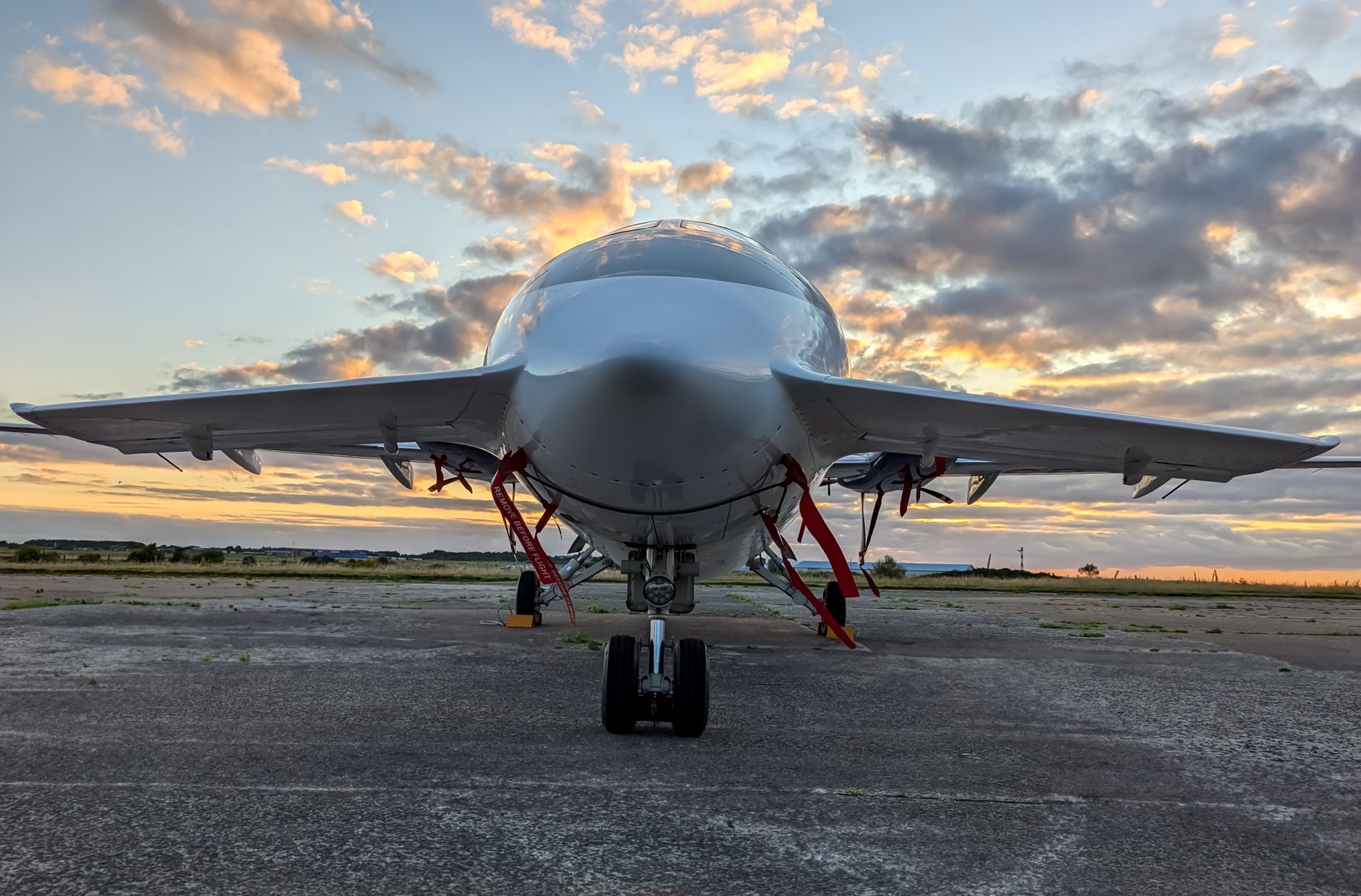
JetZero's Z4 blended wing body aircraft promises a groundbreaking 50% reduction in fuel burn. Explore how its aerodynamic efficiency and economic advantages are set to reshape commercial aviation by 2030.
Commercial aviation stands at the precipice of its most significant aerodynamic transformation since the transition from propellors to jet engines. For decades, commercial passenger jets have relied on the familiar tube-and-wing configuration—a cylindrical fuselage flanked by swept wings. While incremental improvements in engine efficiency and composite materials have shaved percentages off fuel burn, the traditional architecture has largely hit an aerodynamic plateau.
Enter JetZero and its pioneering Z4 aircraft. By embracing a Blended Wing Body (BWB) architecture, JetZero promises an astounding 50% reduction in fuel burn and carbon emissions compared to legacy airliners. For an industry under intense regulatory and public pressure to decarbonise, while simultaneously managing razor-thin operating margins, the Z4 represents a monumental leap forward.
At the heart of the JetZero Z4 revolution is pure physics. In a standard tube-and-wing aircraft, the fuselage contributes virtually no lift; it exists primarily to hold passengers, cargo, and structural loads while generating significant parasitic drag. The wings carry the entire burden of keeping the aircraft aloft.
The Blended Wing Body design fundamentally changes this dynamic by smoothly integrating the fuselage and wings into a single cohesive aerodynamic surface. In the Z4, the entire body generates lift.
For long-haul carriers operating in isolated markets like New Zealand and the wider Asia-Pacific, fuel typically accounts for 30% to 40% of total operating expenses. A 50% reduction in fuel burn radically alters the unit economics of long-distance air travel.
Beyond immediate fuel savings, the Z4 offers key economic advantages across fleet management:
Smaller, less fuel-thirsty engines translate directly to reduced maintenance overhead and lower capital expenditure over the airframe’s lifecycle.
The aerodynamic efficiency allows the Z4 to cover ultra-long-haul routes—such as Auckland to Los Angeles or London—with significantly lower takeoff weights and reduced fuel storage requirements.
With international aviation facing tightening emissions trading schemes and environmental taxes, operating an ultra-low-emission airframe provides a crucial competitive moat.
One of the historical hurdles facing radical aircraft designs has been airport compatibility. Ultra-wide concepts often fail because they require billions in airport gate redesigns and wider taxiways.
JetZero has deliberately designed the Z4 to integrate seamlessly into existing airport ecosystems. Featuring a wingspan compatible with standard Class D/E gate footprints, the Z4 can utilize current jet bridges, taxiways, and runway lengths without forcing airports to undertake costly infrastructure overhauls.
The timeline for bringing a revolutionary airframe to market is notoriously complex, but JetZero has secured significant backing to accelerate development. Supported by a US$235 million contract from the U.S. Air Force, alongside strategic investments from major commercial partners like Alaska Airlines, full-scale demonstrator flights are scheduled to begin by 2027.
Targeting entry into commercial service by 2030, JetZero is positioning the Z4 mid-market airframe as the natural successor to aging Boeing 757 and 767 fleets. As flight testing progresses, airlines across the globe will be watching closely. Should JetZero deliver on its bold performance targets, the blended wing body will quickly redefine the future of global air travel.