Physical Address
96B Grimmer Road, Hamilton Waikato 5810
Physical Address
96B Grimmer Road, Hamilton Waikato 5810

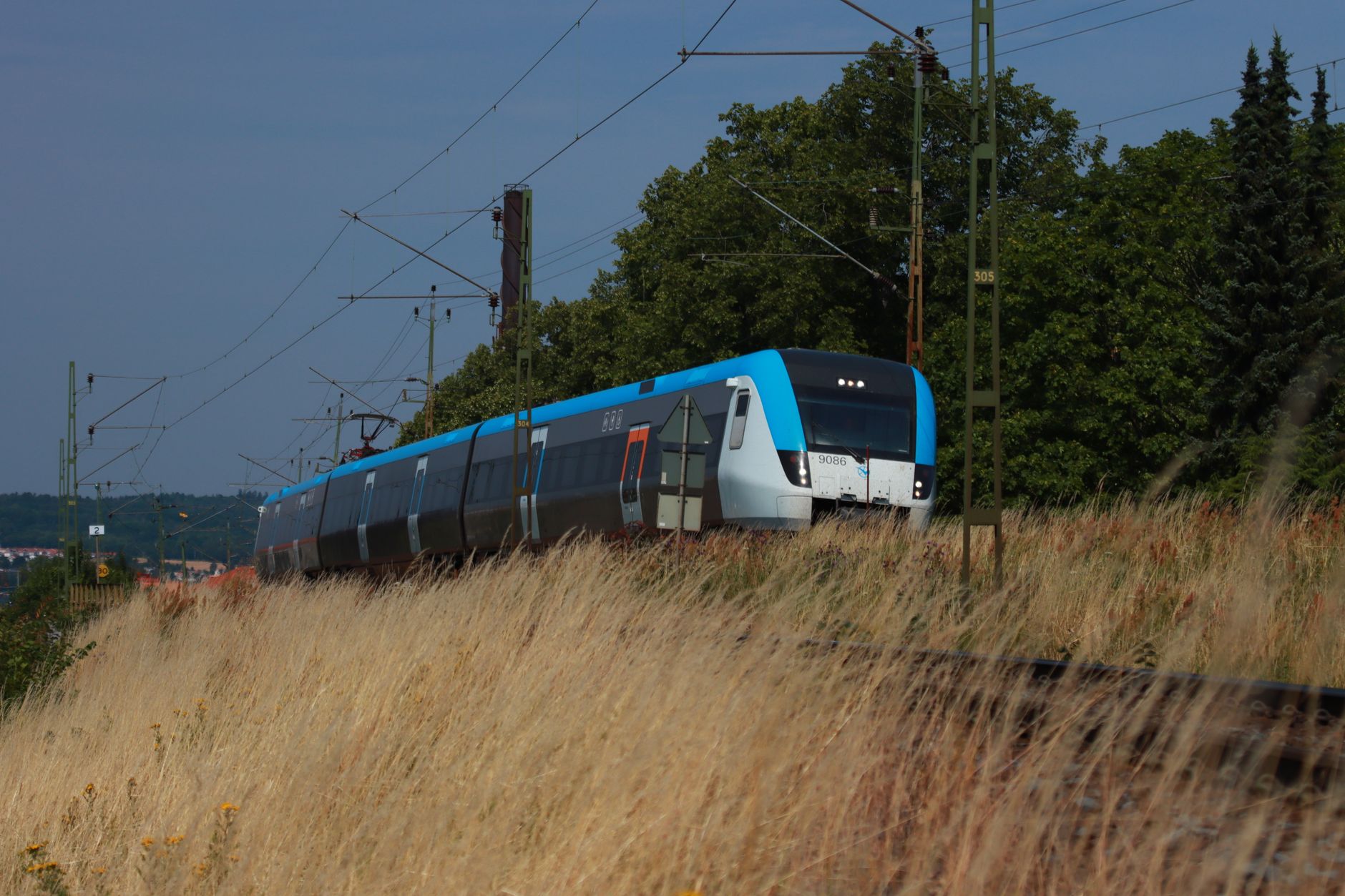
India's inaugural hydrogen train has logged 1,200 km in real-world trials, generating critical performance metrics on fuel cell efficiency, diesel displacement, and emissions reduction.
Indian Railways has reached a monumental milestone in its journey toward net-zero emissions. The country’s inaugural hydrogen-powered train has successfully logged over 1,200 kilometers in real-world operational testing across key demonstration routes, providing researchers and logistics experts with the first comprehensive dataset on heavy rail fuel cell performance.
Running heavy locomotives on hydrogen fuel cells presents unique thermal and mechanical challenges compared to standard passenger electric vehicles. Real-world telemetry from the 1,200 km trial run reveals crucial metrics regarding fuel consumption, energy density, and system efficiency under varying passenger loads.
The most compelling outcome of the 1,200 km trial is the direct displacement of fossil fuels. Diesel-powered locomotives remain a major contributor to transport emissions on non-electrified regional lines, making these real-world data points critical for global transit planning.
As railway networks worldwide evaluate strategies to decarbonize non-electrified routes, the real-world performance metrics from India’s hydrogen locomotive offer a validated blueprint. The success of the 1,200 km trial confirms that heavy rail fuel cells provide the torque, range, and reliability required to phase out heavy diesel fleets over the coming decade.






[…] through the National Green Hydrogen Mission, India aims to launch up to 35 hydrogen trains, prioritizing localized electrolyzers at fueling stations to lower long-term operating […]