Physical Address
96B Grimmer Road, Hamilton Waikato 5810
Physical Address
96B Grimmer Road, Hamilton Waikato 5810

Related reading: Sending Money Between India and New Zealand: Fees, Rates and Tax Basics
Last checked 15 October 2026. We do not quote a live price here because it changes constantly. Use the sources below for today’s figure. General information only, not financial advice.
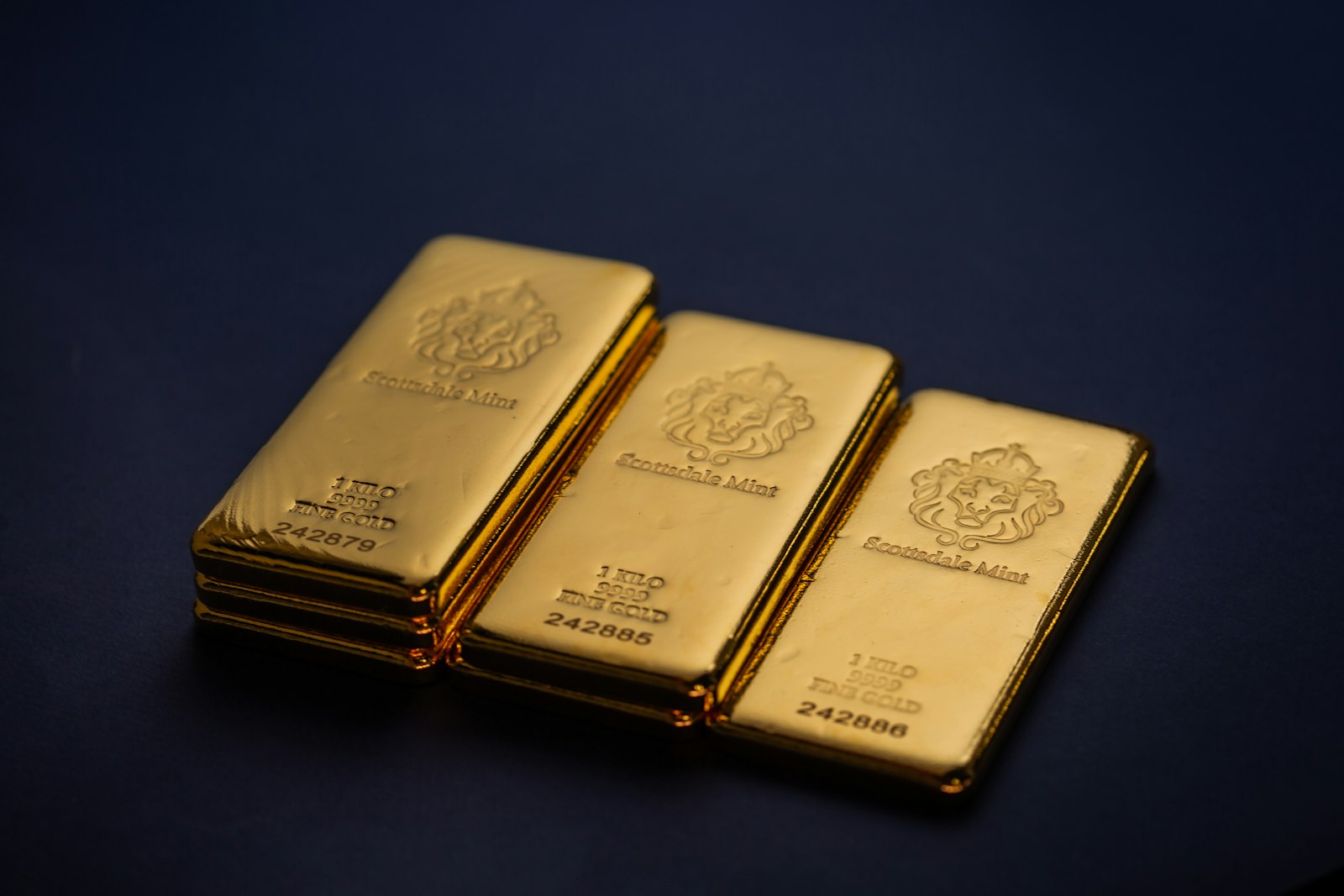
If you want to buy gold in New Zealand, the price you see on a dealer’s page is not the same as the headline gold price on the news. This guide explains how the price is set, what adds to it, and how to follow it without getting caught out.
The FMA says gold is usually priced in US dollars, so its value is affected by movements in currency exchange rates as well as international demand (FMA). For a New Zealand buyer that means two things move your cost: the world gold price and the NZ dollar exchange rate. Gold can rise in US dollars and still look flat in NZ dollars if the NZ dollar strengthens, and the other way round. If you send money to or from India, the rupee rate adds a third moving part.
The “spot price” is the price quoted for gold in the wholesale market, per troy ounce. A troy ounce is about 31.1 grams, not the 28.35 grams of an everyday ounce, so check units when you compare quotes with prices per gram or per tola. Retail prices usually sit above spot. The difference, often called the premium or margin, covers the dealer’s costs and profit, and the price of making and distributing bars and coins. Small bars and coins generally carry a higher premium per gram than large ones. Ask any dealer for the full price, the weight and the purity before you decide.
Selling is different again. Dealers normally buy back below the price they sell at, so you need the price to rise by more than the gap before you break even.
Two dealers can show different prices for the same bar on the same day. They may use different data feeds, update at different times, or set different margins. Some charge more for smaller sizes, and some add costs for delivery or insurance. Compare the total price per gram for the same purity, not the headline number, and check when the quote was last updated.
IRD says the sale or import of fine metal is exempt from GST, and fine gold means a fineness of not less than 99.5% (IRD). Jewellery is usually lower purity, so do not assume the same treatment. Ask how GST applies to the specific item before you pay.
Our guide to gold in New Zealand for Indians covers storage, tax and bringing gold from India.
To compare two quotes, divide the total price by the weight of gold in grams. That gives a price per gram you can set against the spot price converted to NZD per gram. The gap between them is the premium you are paying.
The gold price you pay in New Zealand is the world price, the exchange rate and a dealer margin, with GST depending on purity. Compare like with like, check who you are buying from, and keep records. Before putting in a large amount, speak to a licensed financial adviser.
This article is general information, not financial or tax advice.






[…] Related reading: Gold Price in New Zealand: How to Buy and Track […]