Physical Address
96B Grimmer Road, Hamilton Waikato 5810
Physical Address
96B Grimmer Road, Hamilton Waikato 5810

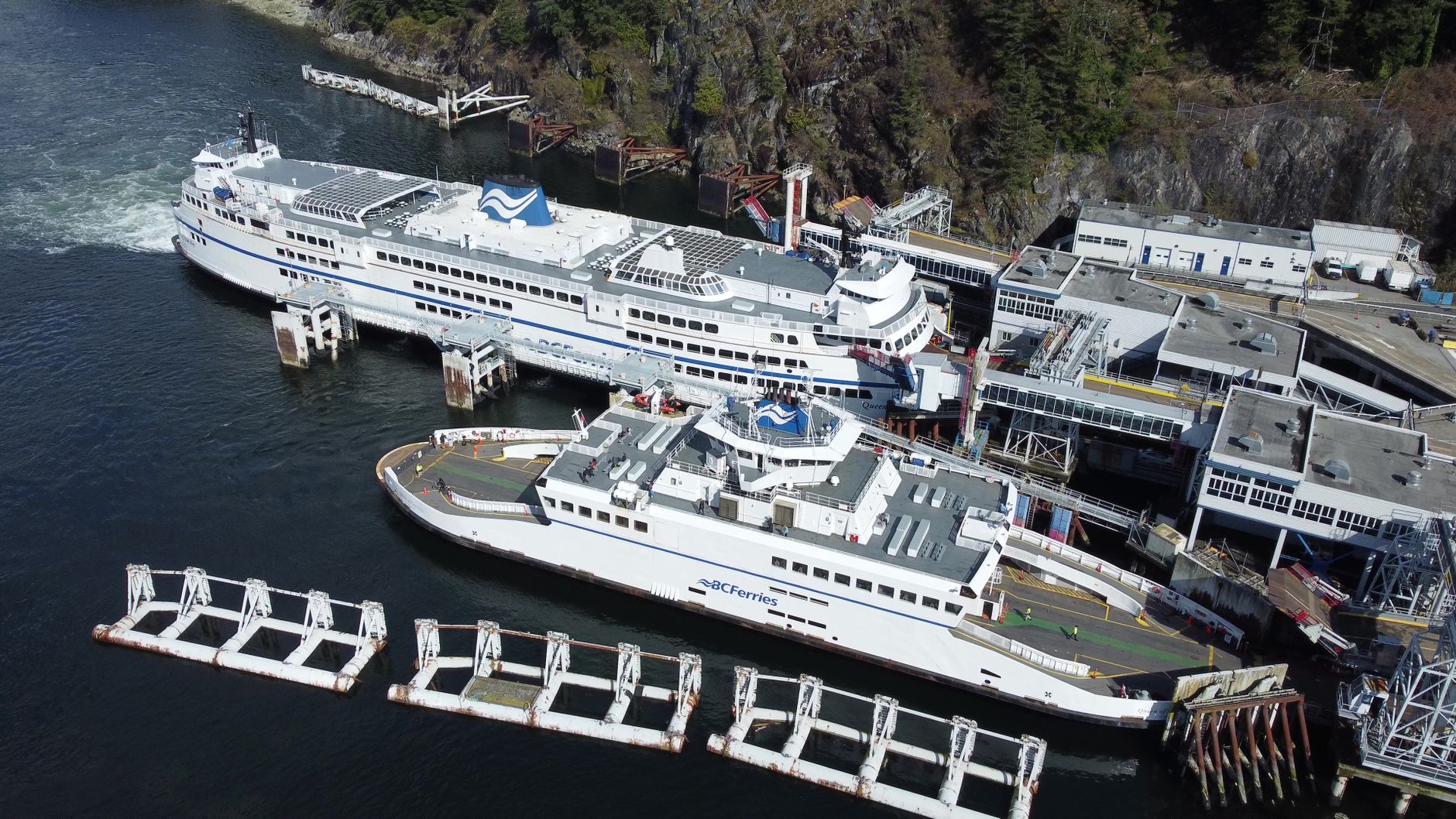
As Auckland prepares to launch its first fully electric ferries, the real battle for zero-emission marine transit is happening on the wharf. We look at the megawatt charging systems, automated connectors, and grid solutions reshaping Waitematā Harbour.
Auckland’s Waitematā Harbour is preparing for its most significant technological shift since the transition from sail to steam. With Auckland Transport and operators like Fullers360 commissioning massive electric and hybrid-electric vessels, the spotlight has shifted from the ships themselves to the infrastructure supporting them. Decarbonizing marine transport isn’t just a maritime challenge—it is a massive civil and electrical engineering puzzle centered on the wharf.
Unlike electric cars that trickle-charge overnight at 7kW, or even highway fast-chargers pushing 350kW, commercial passenger ferries require a completely different order of magnitude. To maintain tight commuter schedules between the Downtown Ferry Terminal, Devonport, and Waiheke Island, vessels need to replenish megawatts of energy in the span of a single passenger embarkation cycle—often less than ten minutes.
This is where megawatt marine chargers enter the frame. Utilizing the Megawatt Charging System (MCS) standard, these units can deliver up to 3 to 4.5 megawatts of DC power. At this scale, the liquid-cooled cables and connector pins must handle immense current, safely pumping thousands of kilowatt-hours into a ship’s hull while passengers walk just meters away.
Connecting a multi-megawatt charging station to Auckland’s local grid is no simple task. If three electric ferries docked and plugged in simultaneously at peak commute times, the localized surge could rival the energy demand of a small suburban town, putting immense strain on Vector’s CBD distribution network.
To bypass grid capacity limits, harbor electrification relies heavily on smart integration strategies:
At the wharf, time is literally money. Manually deploying thick, liquid-cooled high-voltage cables is too slow, labor-intensive, and inherently risky in rough swells. The solution lies in automated docking and connection interfaces.
Auckland’s incoming infrastructure points to hands-free, robotic systems. As a ferry glides into the slip, laser-guided or magnetic positioning systems align the vessel. Once moored, a robotic arm or automated hatch (such as Cavotec’s vacuum or pantograph systems) deploys from the wharf, automatically plugging into the ship’s side receptacle in under 30 seconds. This minimizes human intervention and maximizes the precious minutes available for rapid charging.
Even with automated megawatt chargers, the laws of physics present a challenge: heat. Pumping 3,000 amps of current generates extreme thermal energy inside both the cable and the vessel’s battery packs. Advanced liquid-cooling systems—circulating chilled water or specialized dielectric fluids through the battery racks—are essential to prevent thermal runaway and preserve battery lifespan.
If a ferry’s battery runs too hot, the charging management system will automatically throttle the power down, extending the required charging time and threatening the timetable. Navigating these thermal thresholds while maintaining 10-minute turnaround windows is the frontier where marine engineers and software developers are currently battling.
As Auckland moves closer to its goal of a zero-emission ferry fleet, the physical transformation of our wharves will become increasingly visible. Megawatt marine chargers represent more than just progress for public transit; they are the pioneering edge of a wider maritime revolution that will eventually touch container shipping, tugboats, and tourism across the Pacific.