Physical Address
96B Grimmer Road, Hamilton Waikato 5810
Physical Address
96B Grimmer Road, Hamilton Waikato 5810

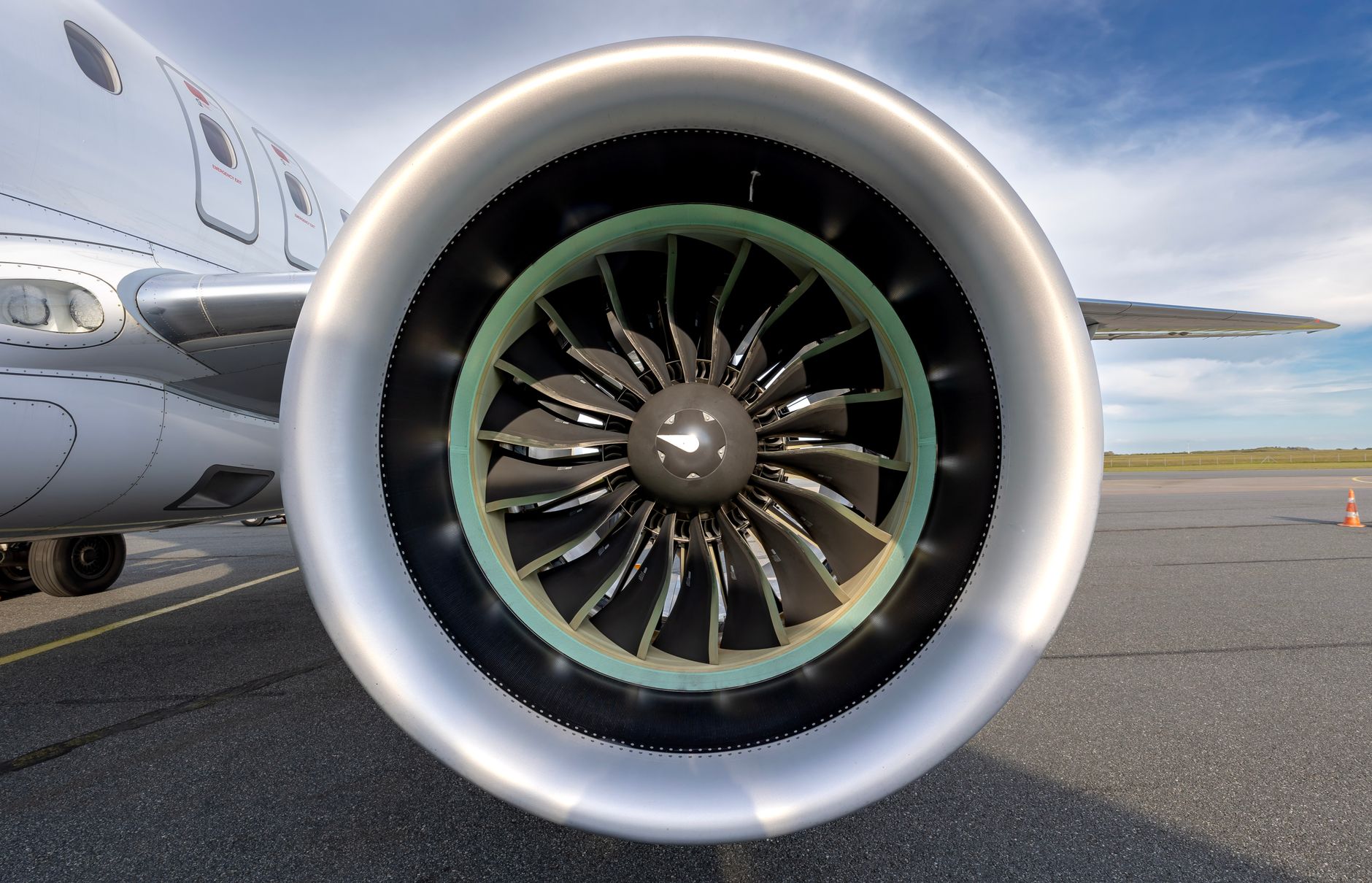
Explore the radical engineering required to store cryogenic liquid hydrogen at -253°C onboard commercial aircraft, from vacuum-insulated tanks to massive fuselage redesigns.
As the global aerospace sector searches for a path to net-zero carbon emissions, liquid hydrogen (LH2) has emerged as the premier candidate for long-haul zero-emission flight. However, transitioning from conventional Jet A-1 kerosene to liquid hydrogen requires a massive paradigm shift in fuel storage. Stored as a cryogenic liquid at an astounding -253°C (-423°F), hydrogen demands extreme thermal isolation, advanced materials, and entirely new aircraft architecture.
Maintaining hydrogen in its liquid state requires thermal protection systems capable of resisting severe heat ingress from ambient air. At -253°C, liquid hydrogen sits just 20 degrees above absolute zero. Any thermal leak leads to rapid phase change, boil-off, and dangerous pressure buildup.
To prevent ambient heat transfer, aerospace engineers employ double-walled vacuum-insulated tanks combined with Multi-Layer Insulation (MLI). These systems consist of alternating layers of highly reflective aluminum-coated Mylar and low-conductivity spacer materials operating inside an evacuated annulus. This setup virtually eliminates conduction and radiation, keeping heat transfer to negligible levels during operational flight cycles.
Despite state-of-the-art insulation, total heat isolation is impossible over extended periods. Heat leaks cause liquid hydrogen to warm and evaporate, creating a challenge known as boil-off.
Engineers mitigate boil-off through sophisticated pressure management and recovery systems. Key techniques include:
Traditional aluminum alloys struggle to balance weight efficiency with structural integrity at cryogenic temperatures. Modern aerospace design focuses on lightweight composites and advanced metal matrices capable of enduring extreme thermal shock.
Carbon fiber composite tanks offer dramatic weight savings compared to metallic alternatives. However, micro-cracking caused by extreme thermal contraction remains a critical hurdle. Engineers are developing specialized resin chemistries and linerless CFRP structures engineered to withstand thermal cycling down to cryogenic levels without micro-fracturing or hydrogen permeation.
One of the greatest challenges of onboard liquid hydrogen storage is volumetric energy density. While hydrogen contains nearly three times the energy per kilogram of jet fuel, its volumetric density is roughly four times lower in liquid form.
Unlike jet fuel, which resides inside the hollow wings, bulky spherical or cylindrical LH2 tanks must be housed inside the main fuselage. This shift dramatically alters aircraft design:
Storing cryogenic liquid hydrogen onboard commercial airliners represents one of the most formidable engineering challenges in modern aerospace history. Through breakthroughs in CFRP material science, vacuum insulation, and innovative airframe architecture, the aviation industry is steadily turning this zero-emission vision into an operational reality.