Physical Address
304 North Cardinal St.
Dorchester Center, MA 02124
Physical Address
304 North Cardinal St.
Dorchester Center, MA 02124

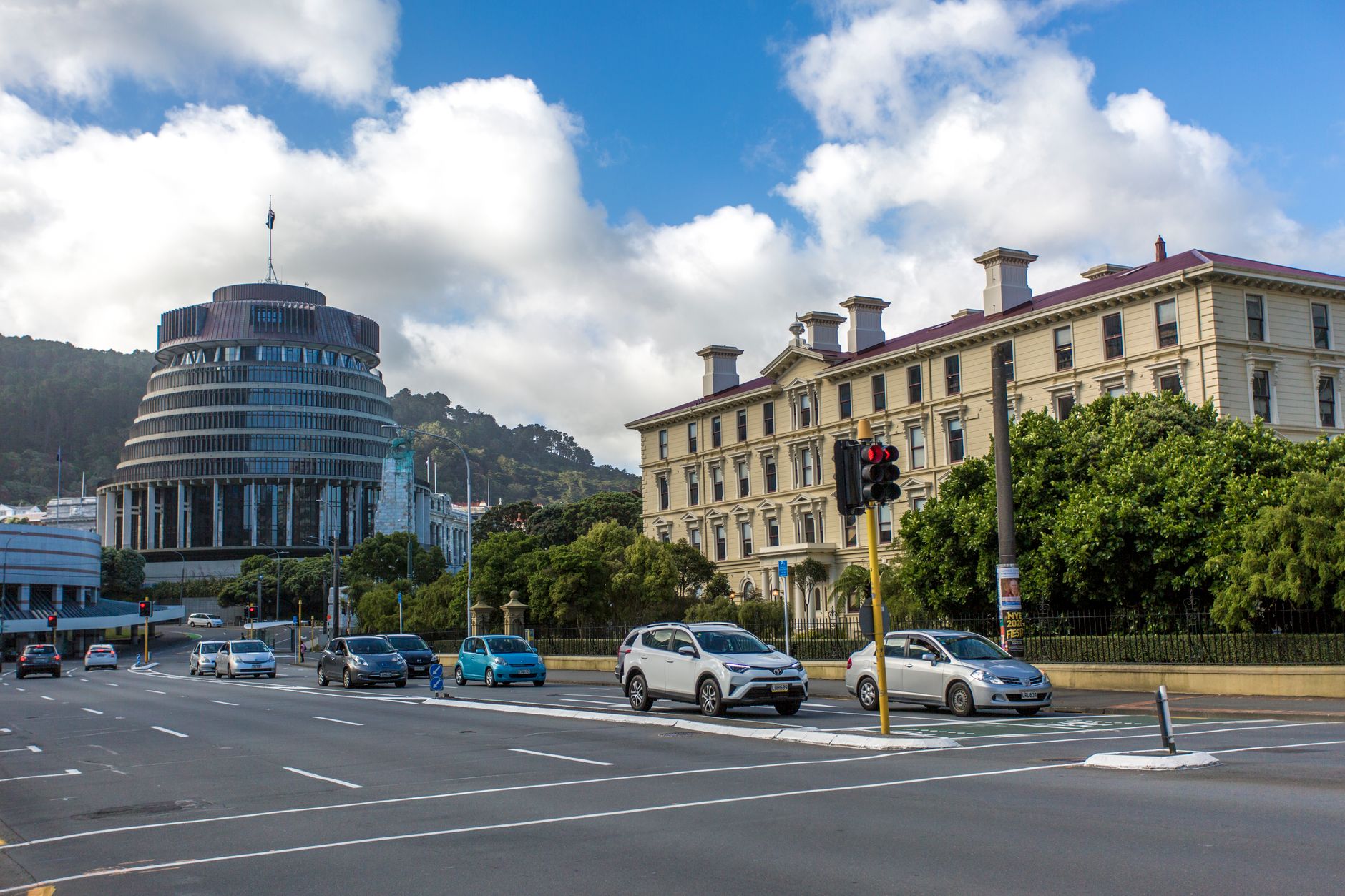
Separating autonomous vehicle hype from reality: Here is what New Zealand laws actually allow for driverless cars, and what needs to happen before robotaxis land in Auckland.
From San Francisco to Wuhan, headlines are filled with futuristic visions of self-driving cars navigating complex urban grids. Companies like Waymo and Cruise have turned driverless ride-hailing into an everyday service overseas. Naturally, this has sparked debate across Tamaki Makaurau: could robotaxis soon be picking up passengers outside Auckland Britomart or cruising along the Northwestern Motorway?
While tech enthusiasts envision an automated transport revolution solving Auckland’s traffic woes, the actual path to commercial deployment in New Zealand is far more nuanced. Behind the hype lies a landscape of unique legal loopholes, strict safety hurdles, and distinct infrastructural challenges.
Surprisingly, New Zealand has long been considered one of the most flexible jurisdictions for autonomous vehicle testing. Unlike many countries whose legislation explicitly required a human driver behind a physical steering wheel, the New Zealand Land Transport Act 1998 did not originally define a driver in a way that strictly excluded automated systems.
However, flexibility for testing does not equal a free-for-all for commercial robotaxis. Waka Kotahi (NZ Transport Agency) and the Ministry of Transport maintain strict oversight under existing safety rules:
To move from controlled trials to fully commercial, driverless robotaxi fleets in Auckland, several major regulatory gaps must be resolved by lawmakers:
If an autonomous vehicle collides with another car or a pedestrian on Ponsonby Road, who is legally responsible? Current NZ tort law and transport regulations assign fault primarily to the human operator. Establishing legal liability frameworks between the hardware manufacturer, software developer, vehicle owner, and insurer remains a crucial prerequisite.
NZ transport rules require passenger services to ensure passenger safety through driver vetting. Redefining passenger safety obligations when there is no human driver present requires updating passenger service legislation.
Regulatory bodies will need mandatory protocols for cybersecurity protection against hacking, as well as clear rules surrounding remote human operators who can intervene during software glitches or unusual road hazards.
Even if the legislation were finalized tomorrow, Auckland presents distinct operational challenges for self-driving artificial intelligence:
While fully autonomous commercial services without safety drivers are unlikely to dominate Auckland roads in the immediate 12 to 24 months, incremental progress is underway. New Zealand’s adaptable regulatory baseline makes it an appealing testing hub for international tech firms seeking real-world testing environments.
Expect to see expanded trials in controlled zones—such as airport precincts, university campuses, or dedicated busway corridors—before general urban rollout. A widespread, commercial robotaxi fleet operating across Auckland is realistically a medium-to-long-term prospect, pending legislative updates from the Ministry of Transport and proven global safety records.