Physical Address
96B Grimmer Road, Hamilton Waikato 5810
Physical Address
96B Grimmer Road, Hamilton Waikato 5810

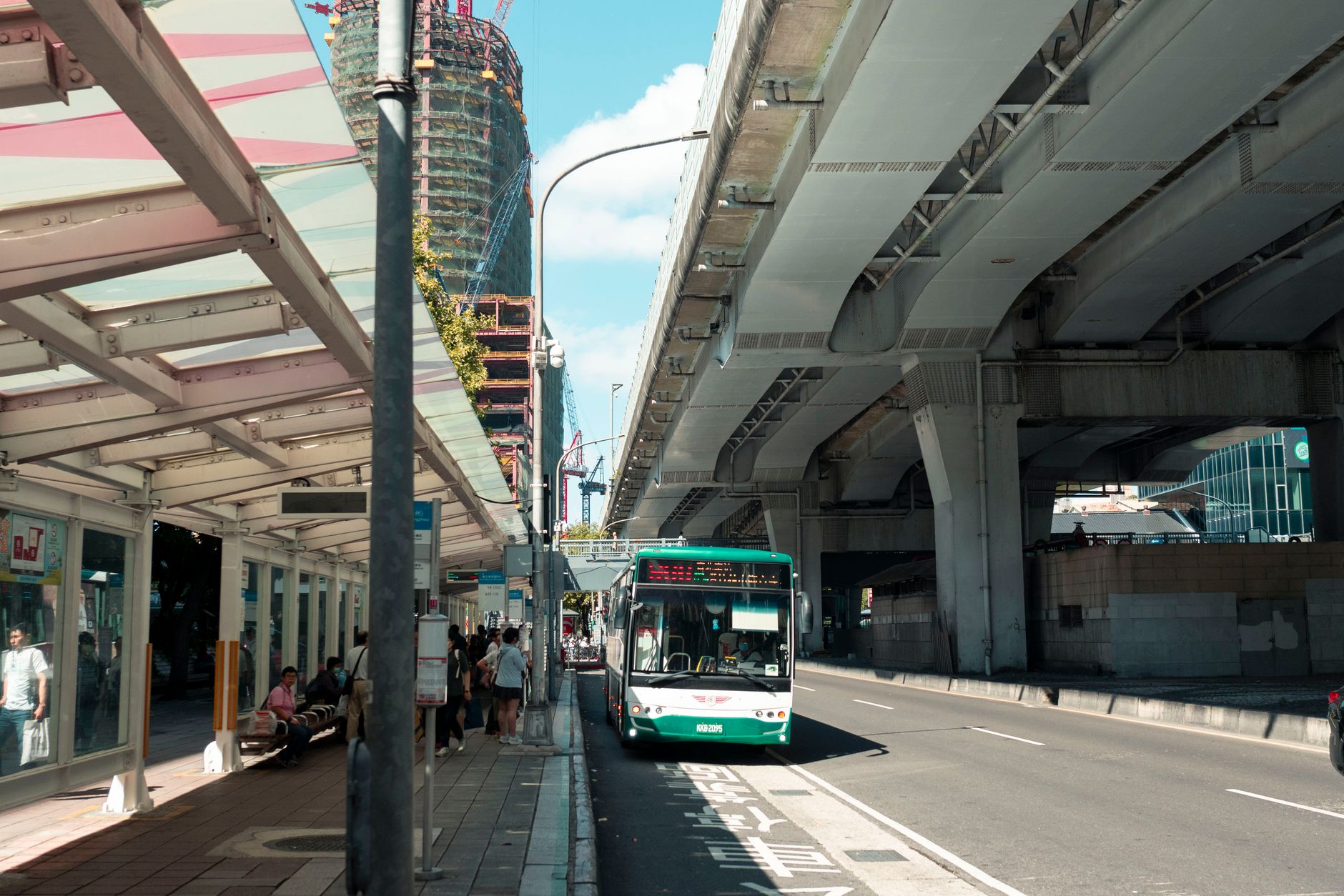
Traffic gridlock on Auckland's motorways is driving a green transport revolution. Discover how urban choke points are pushing Tāmaki Makaurau toward high-frequency electric transit and smart route optimization.
Every morning across Tāmaki Makaurau, thousands of motorists find themselves trapped in familiar slowdowns. From the bumper-to-bumper queue crawling across the Auckland Harbour Bridge to the persistent gridlock along the Southern and Northwestern Motorways, the supercity’s geographic narrow spots have long tested commuter patience. However, these persistent traffic bottlenecks are now serving a greater purpose: acting as the primary catalyst for Auckland’s most ambitious clean mobility revolution to date.
Auckland’s unique topography, defined by narrow isthmuses and sprawling suburbs, creates distinct urban choke points. As population growth continues to outpace traditional road capacity, key arterial routes like Dominion Road, Great North Road, and State Highway 1 face unsustainable congestion levels during peak hours. Relying solely on highway widening is no longer viable, prompting urban planners to turn toward spatial efficiency and low-emission transit alternatives.
To relieve pressure on congested corridors, Auckland Transport (AT) and central government partners are focusing on high-frequency, optimized public transit networks. Route optimization strategies are shifting commuters away from single-occupancy private vehicles and onto reliable, high-capacity public transport channels.
The push to fix Auckland’s transit corridors goes hand-in-hand with climate action goals. The transition from fossil-fuelled vehicles to zero-emission infrastructure is accelerating rapidly across the urban landscape.
Auckland is rapidly expanding its fleet of zero-emission electric and hydrogen-powered buses along major commuter routes. By replacing diesel buses with quiet, clean alternatives on high-frequency corridors, the city reduces local air pollution while providing a smooth, modern passenger experience. Coupled with expanding protected cycleways and safe active-transport links feeding into central transit hubs, Auckland’s transit bottlenecks are being systematically replaced by sustainable, future-proof infrastructure.
Transforming Auckland’s transit corridors is more than just a remedy for morning commute delays—it represents a fundamental shift toward an accessible, climate-resilient city. As clean infrastructure investments take root from Albany to Manukau, the very bottlenecks that once defined urban gridlock are paving the way for a faster, greener, and better-connected region.