Physical Address
304 North Cardinal St.
Dorchester Center, MA 02124
Physical Address
304 North Cardinal St.
Dorchester Center, MA 02124

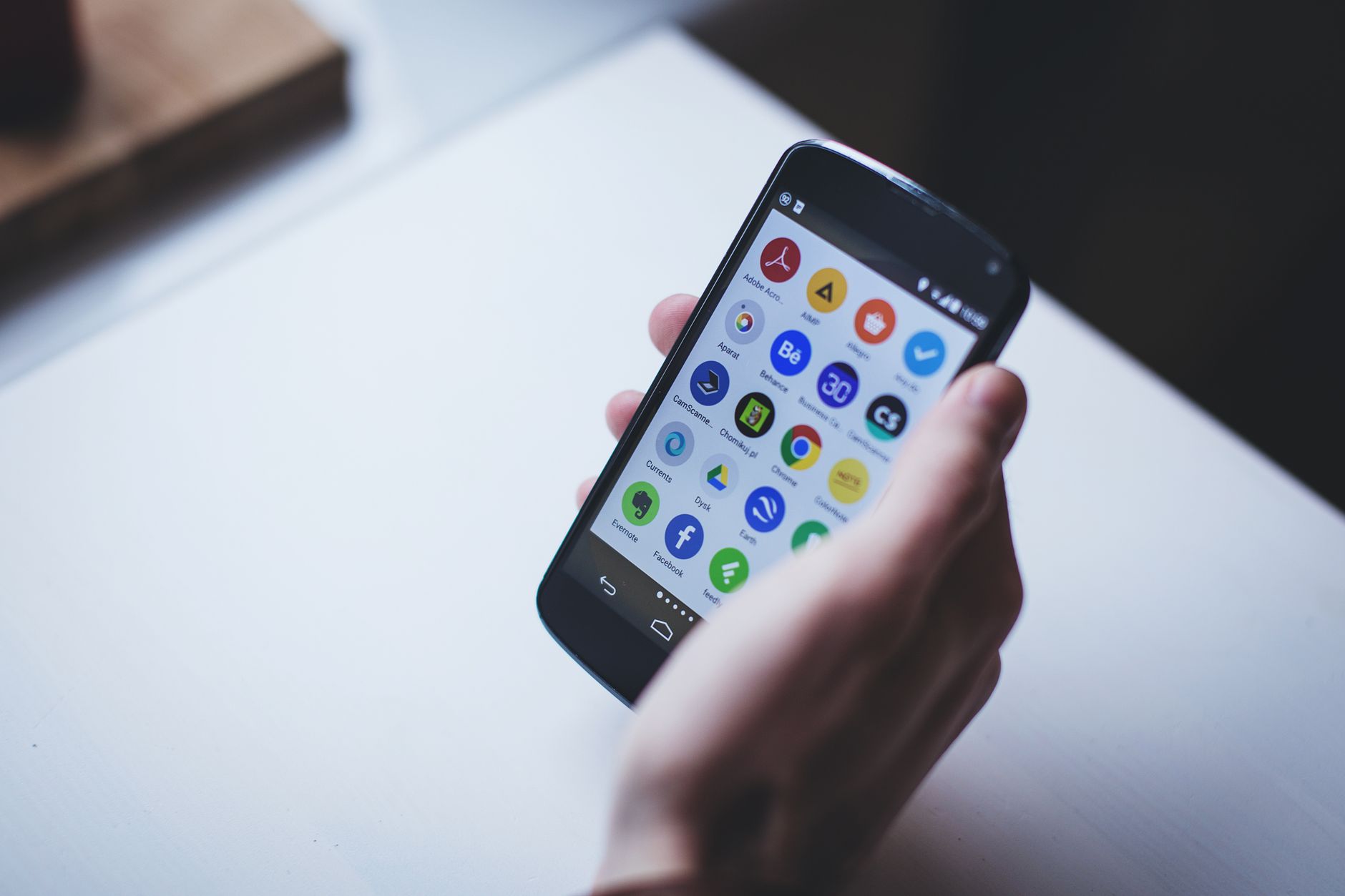
Explore the full Android 17 roadmap, featuring deep AI agent integration, advanced Privacy Sandbox controls, dynamic performance upgrades, and expected device rollout timelines.
As Google continues to push the boundaries of mobile operating systems, Android 17 stands out as a pivotal update designed to redefine smartphone usability, security, and context-aware performance. Following the foundational shifts introduced in earlier versions, Android 17 introduces deep system-level AI integration, sophisticated privacy architecture, and fluid user interface enhancements tailored for modern hardware. From Auckland tech enthusiasts to global power users, the excitement surrounding this major OS milestone reflects its ambitious scope.
At its foundation, Android 17 focuses on underlying core efficiency and hardware responsiveness. Google has overhauled the Android Runtime (ART), delivering faster app execution times and reduced memory footprint across both flagship and mid-range devices.
Building on foldables and tablet optimization, Android 17 introduces dynamic windowing and adaptive layout scaling. Users can now run multiple active instances of apps with fluid drag-and-drop mechanics and improved split-screen memory management.
Through modernized background process management, Android 17 utilizes machine learning to analyze daily user habits, intelligently throttling background tasks to extend operational battery life without sacrificing real-time notifications.
AI is no longer just an app-layer feature in Android 17; it is woven directly into the system framework. The platform introduces native support for multimodal AI agents capable of understanding context across applications while maintaining user privacy.
Data privacy remains a centerpiece of the Android ecosystem. Android 17 expands the Privacy Sandbox initiative, minimizing cross-app tracking while sustaining a privacy-preserving ecosystem for developers and advertisers.
Users gain unprecedented control over telemetry data and sensor access. A new unified Privacy Dashboard highlights real-time data access by apps, including precise location requests and background camera or microphone usage.
By running third-party advertising SDKs in isolated environments, Android 17 prevents third-party code from accessing unauthorized user data or interacting directly with host app processes.
The rollout strategy for Android 17 follows a structured roadmap, beginning with early developer previews and culminating in public stable builds across major manufacturers.