Physical Address
96B Grimmer Road, Hamilton Waikato 5810
Physical Address
96B Grimmer Road, Hamilton Waikato 5810

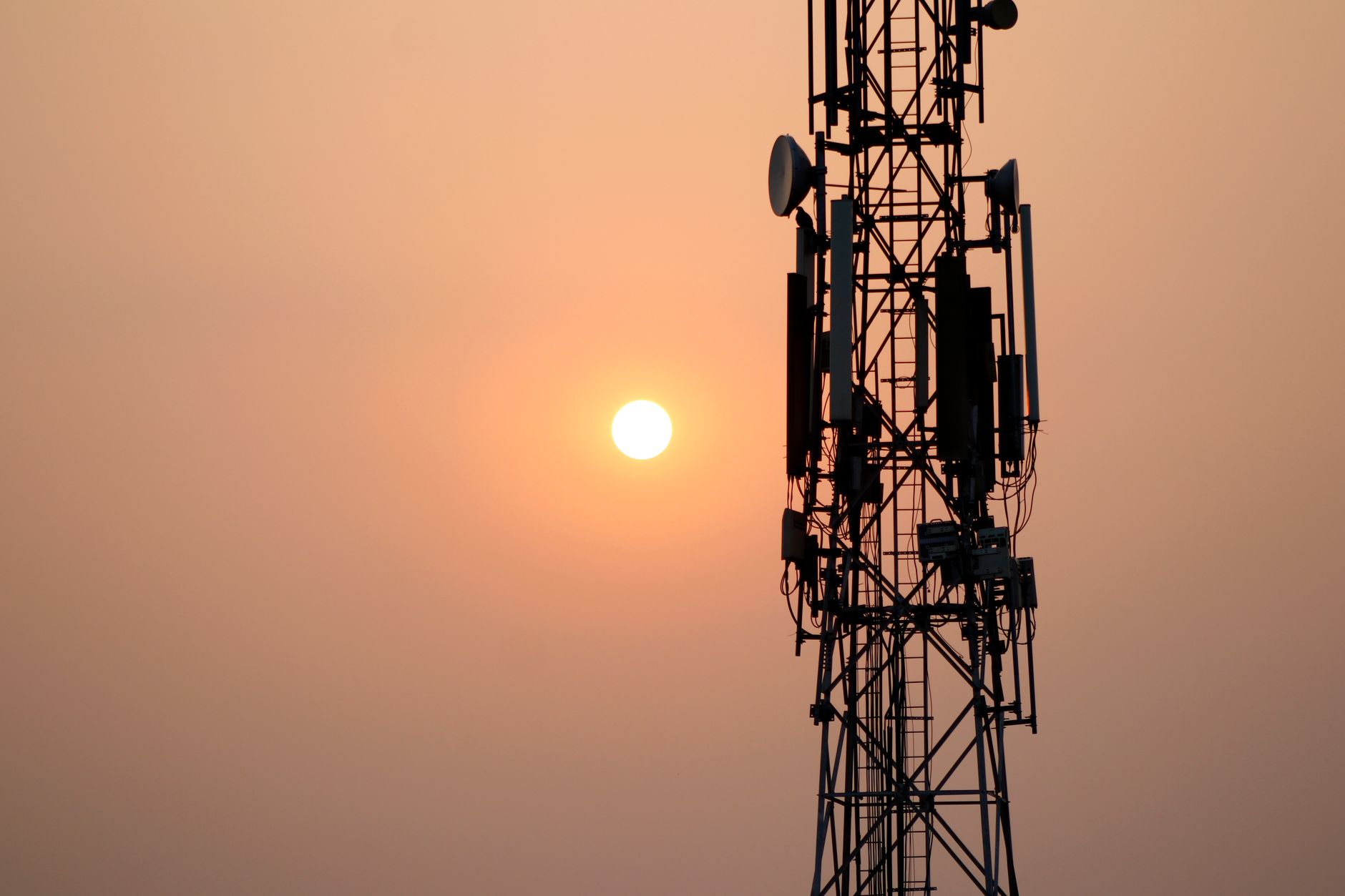
One NZ and 2degrees have announced a historic proposal to share mobile network infrastructure. Here is what the deal means for 5G coverage, pricing, and everyday phone service across New Zealand.
In one of the most significant telecommunications announcements in recent Aotearoa history, mobile giants One NZ and 2degrees have revealed plans to pool their mobile network infrastructure. The landmark partnership aims to create a shared, nationwide radio access network (RAN) to supercharge 5G deployment, eliminate blackspots, and reduce capital expenditure in an increasingly challenging economic climate.
As discussions gain momentum around the One NZ 2degrees network sharing 2026 timeline, Kiwis across Auckland, regional hubs, and rural heartlands are asking the same question: what does this actually mean for mobile coverage, competition, and monthly phone bills?
To understand the impact of this proposed agreement, it is essential to distinguish between back-end infrastructure and consumer-facing retail services. Infrastructure sharing is a widely adopted model overseas, designed to streamline high-cost physical assets without diluting market competition.
If the partnership clears regulatory hurdles and begins rollout towards 2026, mobile users across New Zealand will see tangible improvements in their daily digital experience.
Building nationwide standalone 5G requires enormous capital. By sharing the heavy lifting, One NZ and 2degrees can accelerate their 5G rollouts significantly, bringing ultra-fast mobile broadband to suburban and regional areas years ahead of original standalone schedules.
Combined site footprints mean broader overall coverage. Areas where only 2degrees had a tower—or where One NZ held exclusive reception—will effectively double up coverage access for subscribers of both networks.
Recent severe weather events across the North Island highlighted the fragility of isolated network links. A consolidated, upgraded physical grid allows both providers to invest more heavily in backup generators, hardened infrastructure, and automated failovers.
Despite the shared radio masts, consumers should not expect a merger of services or a decline in retail choice. Key aspects that will remain strictly independent include:
A deal of this magnitude cannot take effect overnight. The proposal requires rigorous review and clearance from the New Zealand Commerce Commission to ensure it does not substantially lessen market competition or harm consumer welfare.
Regulators will examine whether the arrangement protects third-party Mobile Virtual Network Operators (MVNOs) and maintains healthy wholesale dynamics against New Zealand’s largest incumbent player, Spark. Spark itself already holds a massive infrastructure footprint, meaning the combined One NZ and 2degrees network could create a true two-horse infrastructure race at scale.
For Kiwi smartphone users, the proposed One NZ and 2degrees network sharing arrangement represents a win for connectivity without sacrificing retail choice. If approved, the collaboration will modernize New Zealand’s mobile infrastructure for the next decade, delivering faster speeds, broader coverage, and reliable connectivity when Kiwis need it most.