Physical Address
304 North Cardinal St.
Dorchester Center, MA 02124
Physical Address
304 North Cardinal St.
Dorchester Center, MA 02124

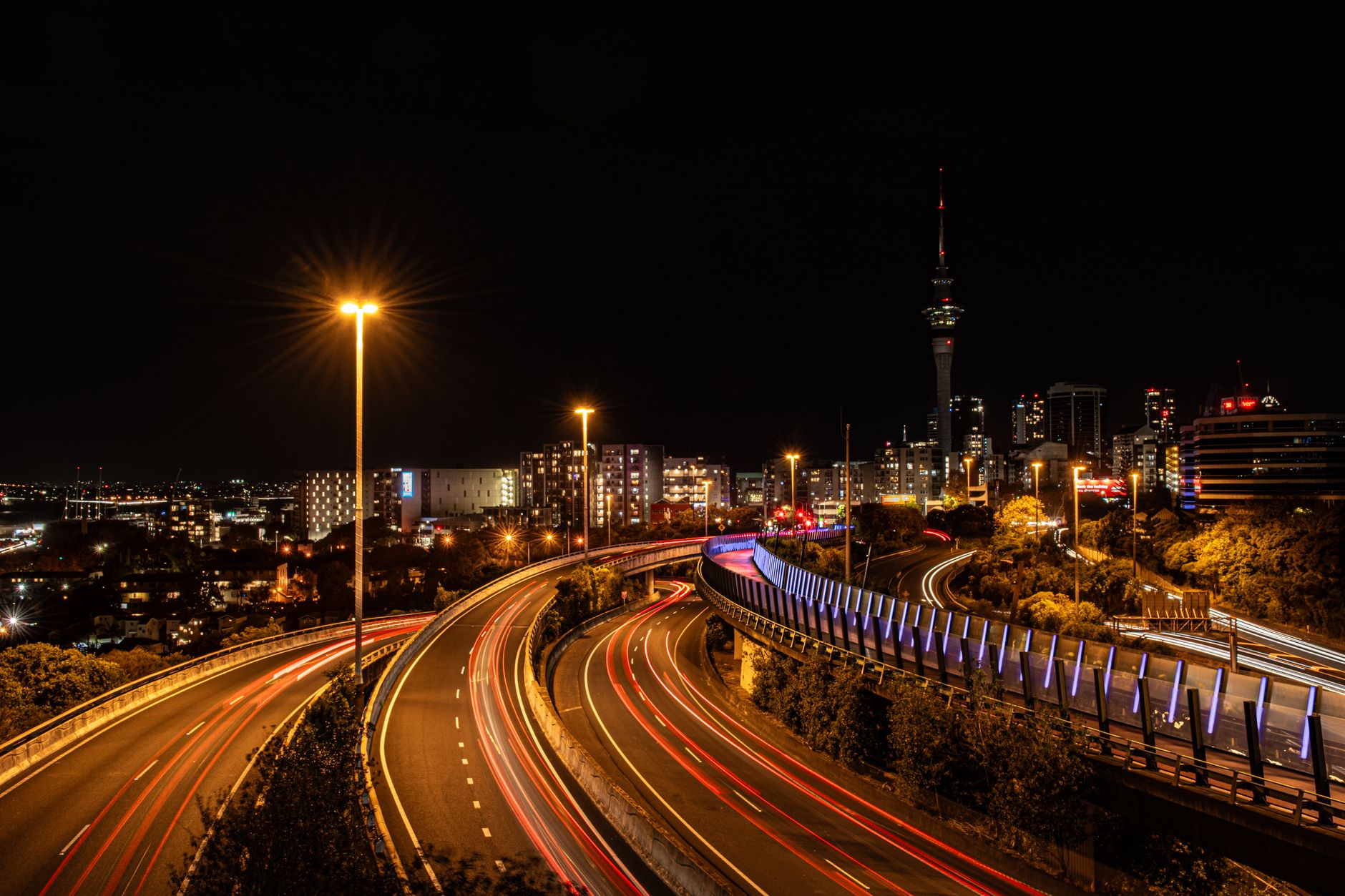
Auckland Council has released a detailed explainer on the proposed time-of-use charging scheme. Find out how congestion pricing could affect your daily commute, potential costs, and key zones.
Traffic congestion is a legendary headache for Auckland drivers. In an effort to get the city moving, Auckland Council recently published a comprehensive explainer on 26 August detailing the proposed ‘time-of-use’ charging scheme. Often referred to as congestion pricing, this initiative aims to charge drivers a fee for using busy parts of the road network during peak hours. But what does this actually mean for your daily commute, your wallet, and your travel choices?
Auckland time of use charging is a demand-management tool designed to encourage motorists to travel outside peak hours, take alternative routes, or switch to public transport. Unlike traditional tolls used to fund new infrastructure, this scheme focuses on behavioral change. By placing a variable fee on selected zones during high-demand periods, the council hopes to free up capacity on Auckland’s choked motorways and central arterials.
According to the latest council documents, the exact locations and pricing structures are still being finalized, but several high-traffic corridors are under active consideration. Key focus areas include:
While final pricing models require legislative approval from the central government, international precedents suggest charges could range from a few dollars per trip. Auckland Council emphasizes that the goal is not to penalize drivers, but to shift just 5% to 10% of traffic off the road during peak times, which would dramatically improve overall traffic flow for everyone.
The 26 August explainer highlights that equity is a major consideration. The council is exploring potential discounts or exemptions for low-income households, emergency services, and people who have no viable public transport alternatives for their daily journeys.
The time-of-use charging proposal is part of a wider strategic transport plan. Before any charges are implemented, extensive public consultation will take place alongside legislative changes. For now, Aucklanders can expect further updates as council planners work closely with central government to refine the scheme.