Physical Address
304 North Cardinal St.
Dorchester Center, MA 02124
Physical Address
304 North Cardinal St.
Dorchester Center, MA 02124

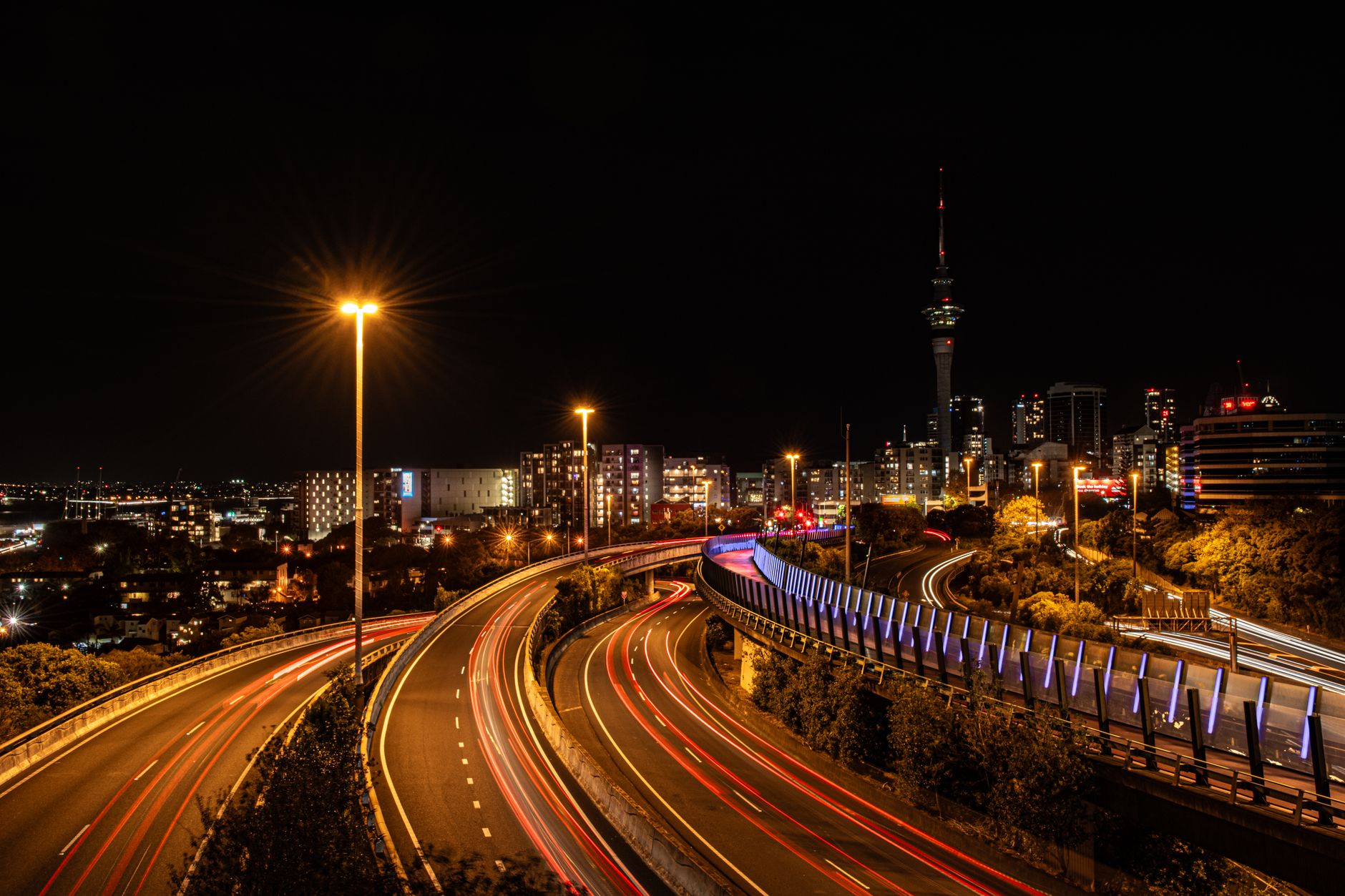
Auckland Council has shortlisted three major congestion pricing options under the Auckland time of use charging 2026 plan. Here is how it will work and impact commuters.
Auckland Council and Transport Authorities have unveiled fresh details on the proposed Auckland time of use charging 2026 scheme, aimed at slashing gridlock across the Super City. As traffic congestion continues to cost the local economy billions annually, officials have narrowed down three distinct pricing models designed to nudge peak-hour commuters onto public transit or off-peak travel times.
Transport planners are evaluating three core structural options for implementing Auckland time of use charging 2026 across the motorway network and key arterial roads:
Rather than traditional toll booths, the proposed system will rely on automatic number plate recognition (ANPR) cameras positioned across designated gantries. Drivers travelling through peak corridors during defined hours (typically 6:30 AM to 9:00 AM and 4:30 PM to 6:30 PM) will be automatically billed. Rates are expected to vary based on congestion intensity, encouraging commuters to shift travel windows or choose AT Metro train and bus networks.
With public consultation set to launch in late 2024 and run through 2025, Aucklanders will have an active voice in shaping the final model, exemptions, and pricing tiers. Legislative changes through Parliament will also be required before any system goes live in 2026. Crucially, council leaders emphasize that revenue generated must be ring-fenced to upgrade public transport infrastructure across South, West, and North Auckland.
While final pricing structures are still under refinement, motorists should prepare for potential daily fees ranging from $3 to $5 per peak corridor passage. Key considerations for drivers include exploring flexible work hours, assessing public transport options, and watching out for official council feedback channels to submit formal submissions during the public engagement phase.