Physical Address
304 North Cardinal St.
Dorchester Center, MA 02124
Physical Address
304 North Cardinal St.
Dorchester Center, MA 02124

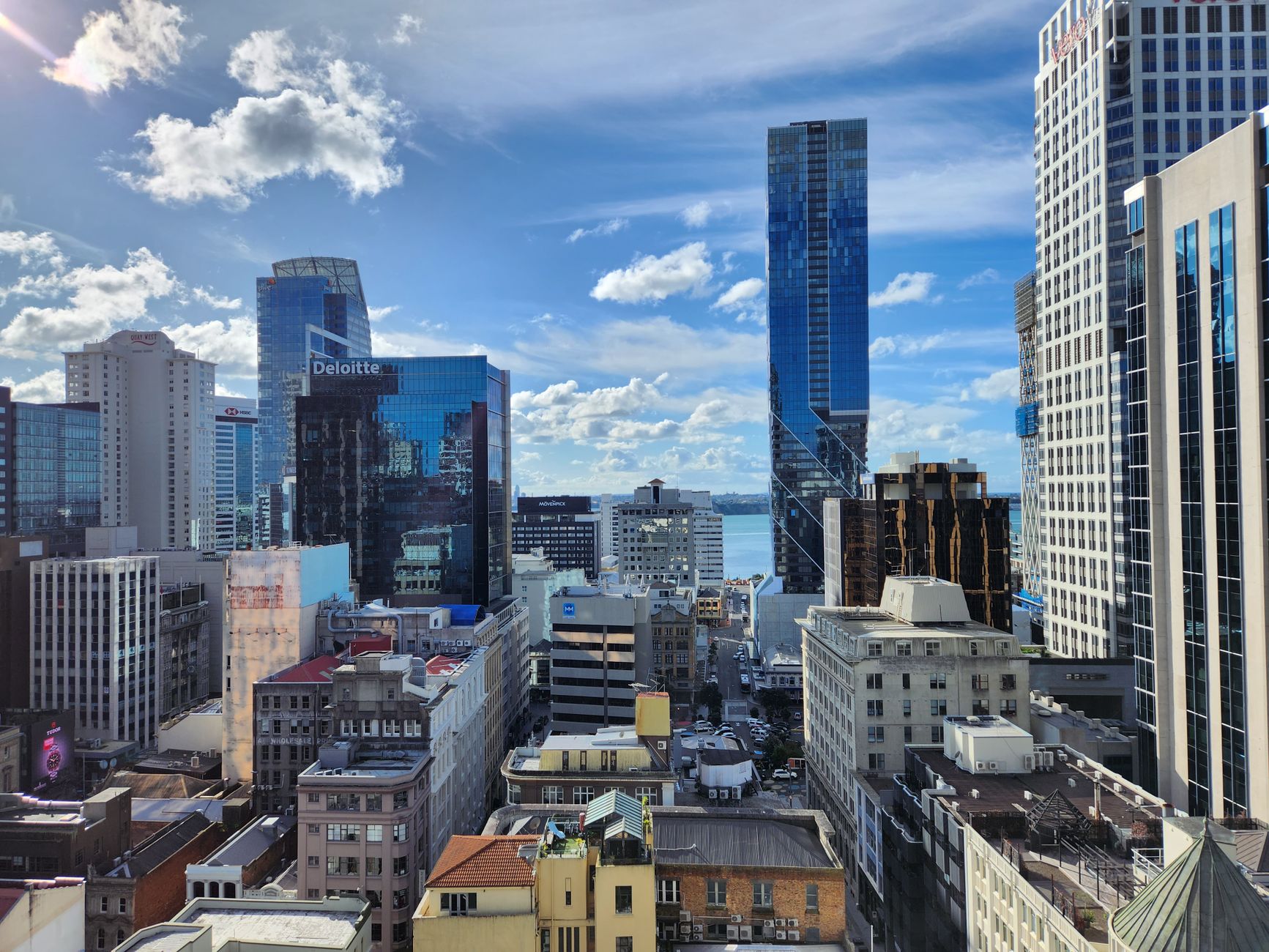
The political row over the proposed Auckland bed tax 2026 has escalated as Winston Peters insists a regional tourist levy remains on the table despite National ruling it out.
The political row over the proposed Auckland bed tax 2026 has rapidly escalated into a high-stakes coalition dispute. Just hours after the National Party publicly ruled out introducing a regional accommodation levy if re-elected, Deputy Prime Minister Winston Peters has pushed back sharply, asserting that the tourist levy remains squarely on the negotiation table under the current coalition agreement.
The sudden divergence between coalition partners marks a significant political rift over how Auckland’s visitor economy and regional infrastructure should be funded. While National leadership attempted to shut down speculation by promising accommodation providers that no new bed tax would be legislated, NZ First leader Winston Peters made it clear that local revenue mechanisms remain active discussions within cabinet.
Peters emphasized that funding shortfalls in New Zealand’s largest city require pragmatic solutions, and regional targeted rates or bed taxes cannot be dismissed unilaterally when local councils are under intense fiscal pressure.
Auckland Mayor Wayne Brown has long advocated for an Auckland bed tax to lighten the burden on local ratepayers. With major global events, public transport expansion, and tourism infrastructure placing heavy demands on council budgets, local leaders argue that international and domestic visitors should contribute directly to the facilities they enjoy.
With the Auckland bed tax 2026 now a major flashpoint between National and NZ First, local businesses and council officials are watching closely. If NZ First maintains its stance, the debate could force National back to the negotiating table, keeping the prospect of a visitor levy alive for Auckland’s future economic policy.