Physical Address
304 North Cardinal St.
Dorchester Center, MA 02124
Physical Address
304 North Cardinal St.
Dorchester Center, MA 02124

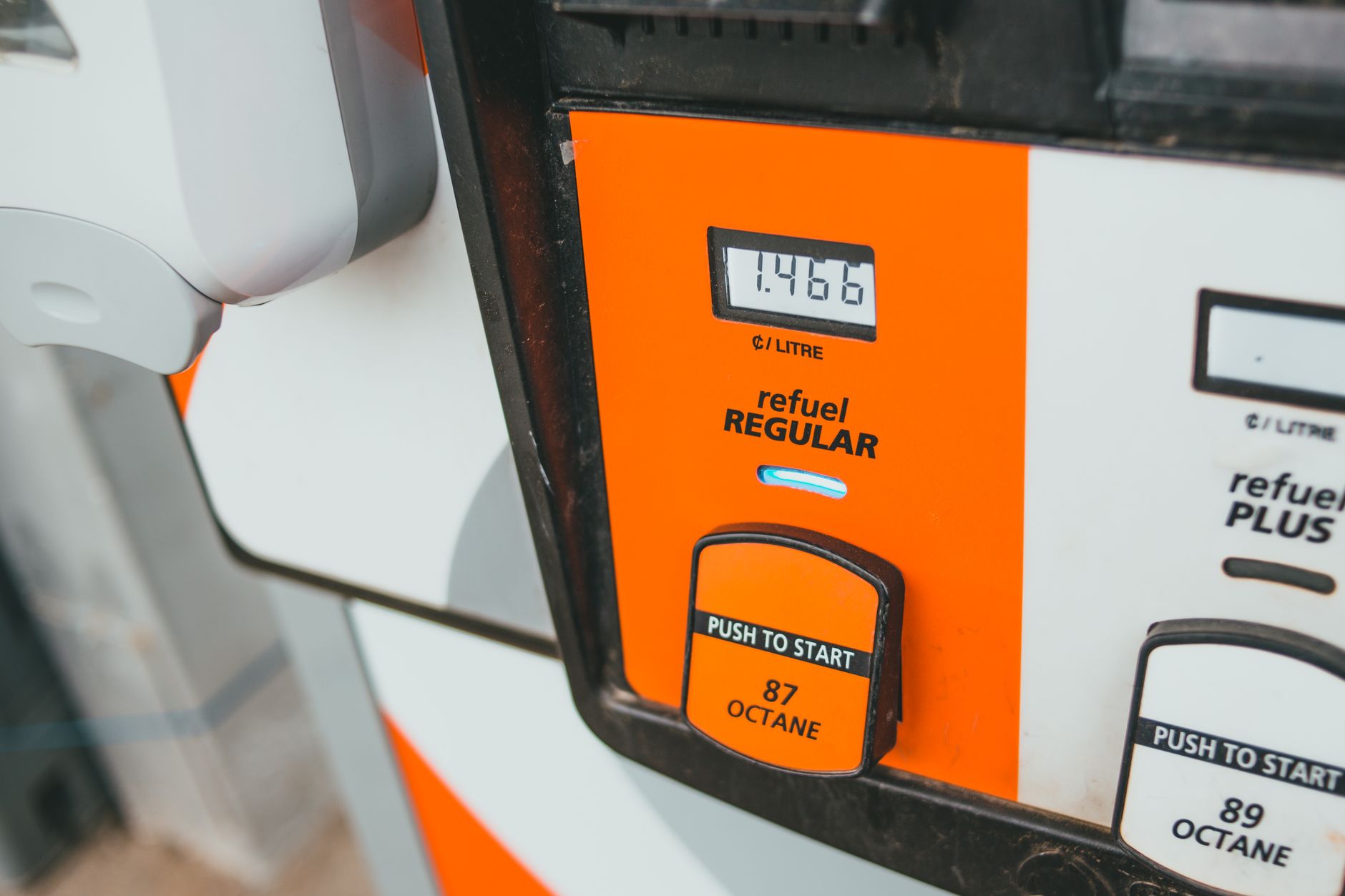
Fresh Stats NZ data for June 2026 shows NZ retail sales volumes fell 0.5% while nominal sales values rose, primarily driven by escalating fuel pump prices.
Fresh data released today by Stats NZ shows that New Zealand retail sales volumes fell by 0.5% in the June 2026 quarter. However, head to the checkout or look at overall transaction totals, and you might get a completely different picture: total retail sales value actually moved upward. This stark split highlights how inflation and surging fuel prices continue to shape consumer behaviour across the country.
To make sense of the latest NZ retail sales June 2026 figures, it is essential to distinguish between retail volume and retail value:
When retail values rise while volumes fall, consumers are essentially paying more to get less. The primary driver behind this split in the June 2026 data is the sharp increase in global crude oil and local fuel prices.
Fuel is an inelastic necessity for thousands of commuters across Auckland and greater New Zealand. As petrol and diesel prices escalated through mid-2026, household budgets were forced to allocate significantly higher dollar amounts to service station forecourts.
Because fuel sales make up a substantial share of total retail trade statistics, higher prices at the pump artificially inflate the national retail sales value figures. Kiwis did not buy more litres of fuel; rather, each litre cost more, leaving less disposable income for other retail categories like clothing, homewares, and dining out.
For Aucklanders, higher transport and fuel costs mean everyday household budgets remain under pressure. While high inflation values may initially look like strong top-line revenue for certain merchants, reduced buying volume signals underlying consumer caution. Retailers facing higher wholesale costs alongside squeezed customer wallets must focus on value-driven offerings and essential goods to navigate the winter 2026 landscape.