Physical Address
304 North Cardinal St.
Dorchester Center, MA 02124
Physical Address
304 North Cardinal St.
Dorchester Center, MA 02124

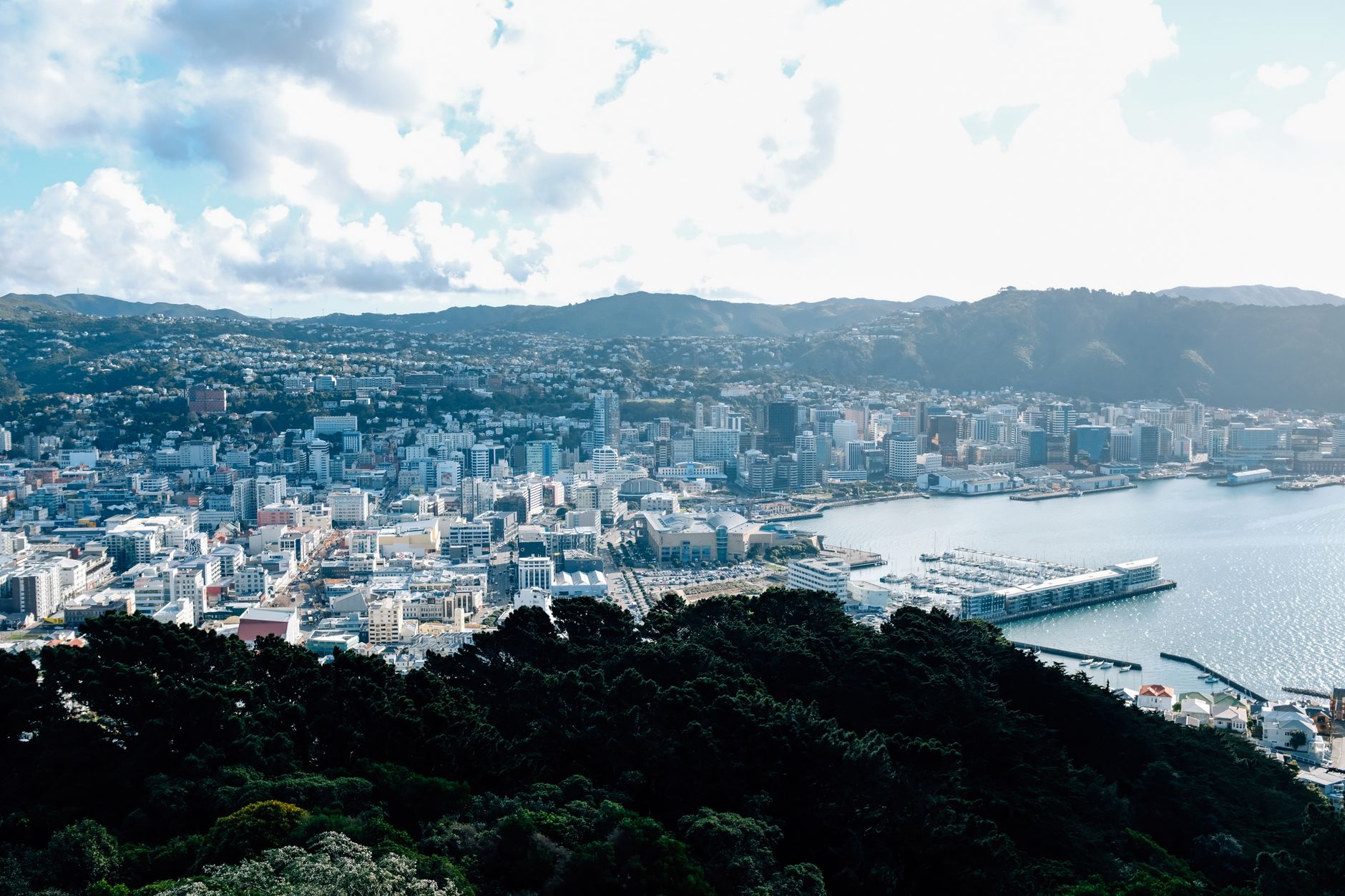
Despite tough public sector downsizing and foot-traffic drops, Wellington CBD business owners point to 2026 as the turning point for the capital's economic revitalisation.
Over the past two years, Wellington’s central business district has faced an unprecedented cocktail of economic challenges. Between public sector restructuring, rising interest rates, and the permanent shift toward hybrid working models, foot traffic along Lambton Quay and Courtenay Place hit historic lows. For many Auckland observers watching the capital, the narrative seemed bleak. However, local business owners and precinct leaders are now voicing a different perspective: 2026 marks the horizon for a genuine rebound.
While economic headwinds persist into late 2025, several structural shifts are expected to converge by 2026 to reinvigorate the heart of Te Whanganui-a-Tara.
Major construction disruptions across the city center are finally nearing their conclusion. Key developments include:
Historically reliant on government agencies, Wellington’s CBD is experiencing a quiet pivot toward tech, creative industries, and specialized service firms. As public sector agencies consolidate floor space, smaller innovative enterprises are stepping into prime retail and office spots at more competitive lease rates.
A growing number of private and public employers are refining working arrangements to encourage greater in-office attendance. Coupled with Wellington City Council’s aggressive events strategy aimed at drawing regional visitors from Auckland and the wider North Island, mid-week foot traffic is steadily stabilizing.
Success by 2026 is far from guaranteed. Business advocates point to several crucial variables that will dictate the pace of recovery:
From an Auckland vantage point, Wellington’s struggle and emerging resilience offer valuable lessons for retail and commercial hubs across New Zealand. Vibrant inner cities require a delicate balance of private enterprise, accessible public transit, and flexible urban planning. As Wellington gears up for 2026, the nation watches with anticipation to see if the capital can convert its optimism into lasting economic prosperity.