Physical Address
304 North Cardinal St.
Dorchester Center, MA 02124
Physical Address
304 North Cardinal St.
Dorchester Center, MA 02124

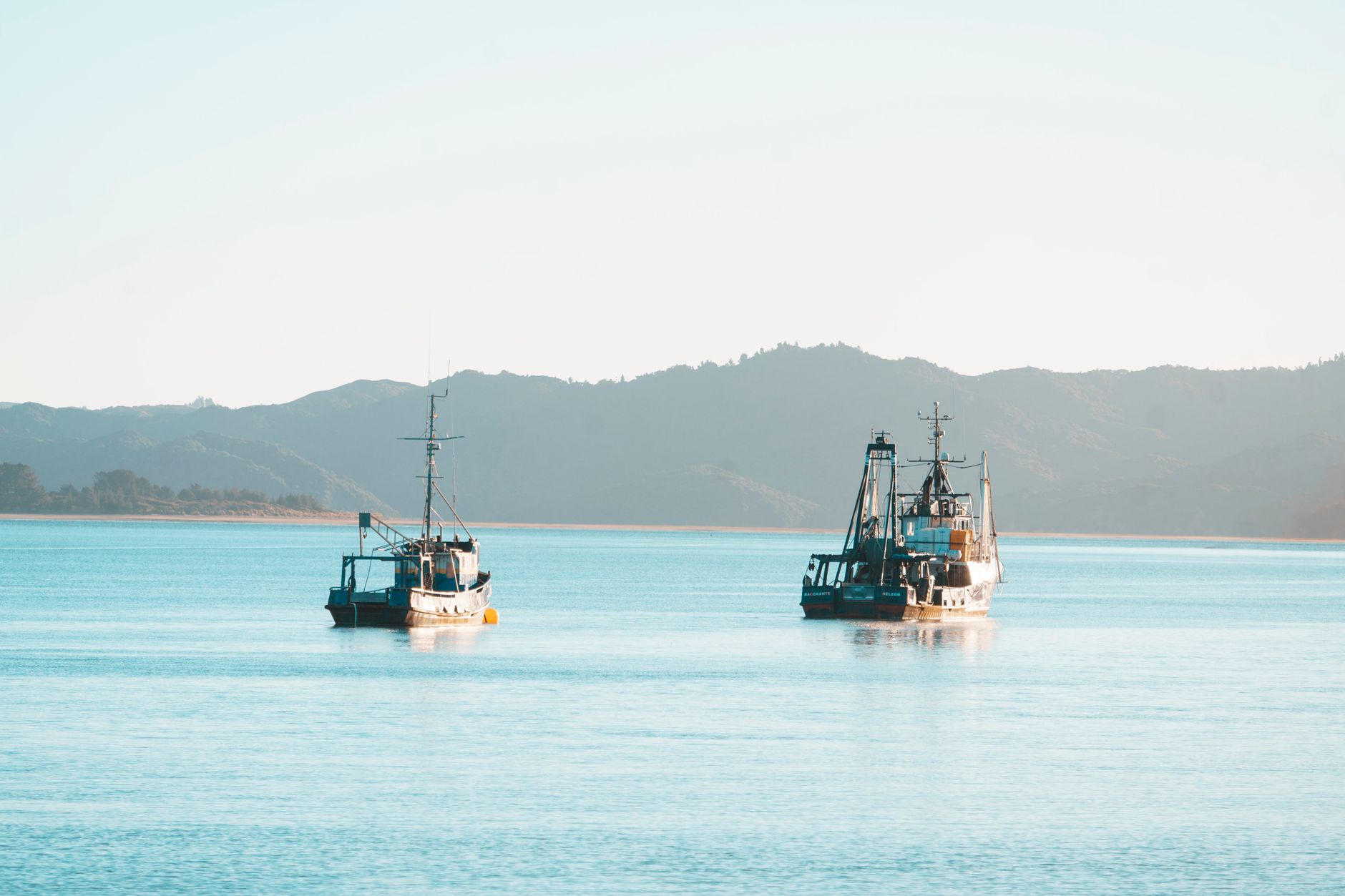
With a new biomass survey showing positive recovery signs, Fisheries New Zealand is consulting on a limited recreational reopening of Whangārei Harbour's scallop fishery for 2026.
For four long years, the pristine waters of Whangārei Harbour have kept one of their greatest culinary treasures strictly off-limits. The 2022 closure of the local scallop (tipa) fishery was a heavy but necessary blow to local fishers, divers, and mana whenua, designed to give depleted beds a fighting chance at recovery. Now, as we look toward 2026, a brand-new proposal from Fisheries New Zealand (FNZ) has sparked fresh hope across Northland: the recreational scallop season might finally be set for a cautious, controlled comeback.
The push to reconsider the closure isn’t just wishful thinking; it is backed by fresh scientific data. A comprehensive biomass survey conducted recently has revealed encouraging signs of recovery in specific zones of the harbour. While some deeper-water populations across Northland remain fragile, the localized survey in Whangārei Harbour suggests that the four-year rest has allowed scallop beds to regenerate to levels that could support highly regulated harvesting.
Lest anyone envision a return to the unchecked harvesting of the past, Fisheries New Zealand has made it clear that any reopening will be strictly managed. The goal is to balance the cultural and recreational needs of local whānau with the absolute priority of long-term ecological sustainability.
For Aucklanders heading north and Northland locals alike, the potential reopening is about more than just a fresh seafood meal. Gathering kaimoana is a deeply ingrained way of life, connecting whānau to the moana and teaching younger generations about traditional kaitiakitanga (guardianship). The four-year closure, while respected, left a gap in summer rituals. A successful, sustainable reopening would prove that collaborative conservation efforts between the community, iwi, and government can yield tangible rewards.
Before any decisions are finalized for the 2026 season, Fisheries New Zealand is launching a public consultation process. This is the crucial moment for local fishers, divers, commercial operators, and environmentalists to voice their perspectives. Community feedback will directly shape the final rules, deciding whether the harbour reopens fully, partially, or remains closed to allow further recovery. Submissions are expected to open soon, and local marine conservation groups are already urging everyone who uses the harbour to participate actively.