Physical Address
304 North Cardinal St.
Dorchester Center, MA 02124
Physical Address
304 North Cardinal St.
Dorchester Center, MA 02124

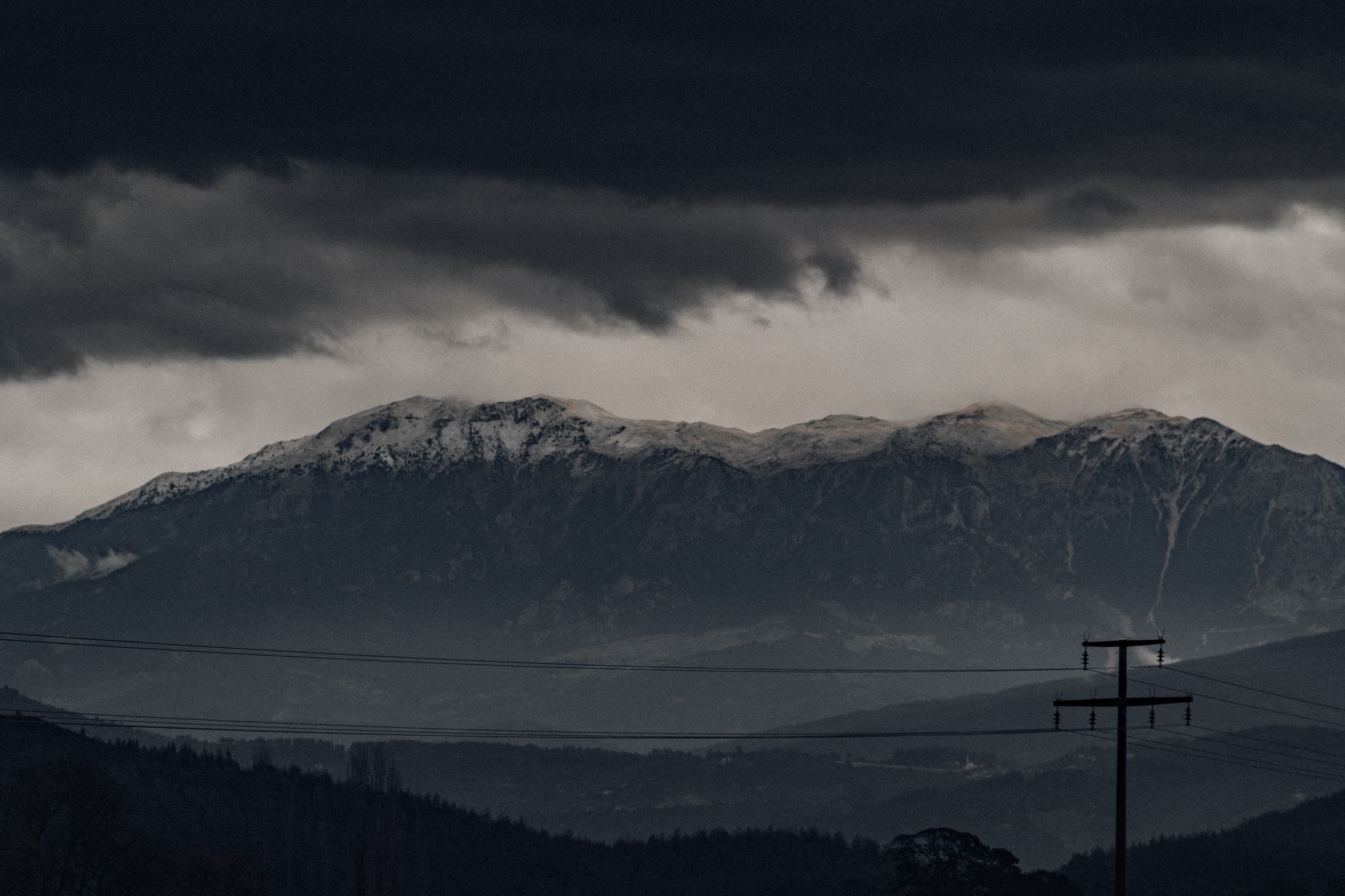
A massive power outage has left over 25,000 South Island properties in the dark. We break down the difference between the national grid fault and localized storm damage, alongside the latest restoration updates.
On Sunday, 23 August 2026, over 25,000 homes and businesses across New Zealand’s South Island were suddenly plunged into darkness. As a bitter winter storm swept across the southern regions, the electrical infrastructure faced a severe double-blow: a critical national-grid fault combined with widespread physical storm damage.
For residents shivering in sub-zero temperatures, the immediate question is simple: when will the lights come back on? To understand the timeline, we must first separate the two distinct issues currently plaguing the southern power network.
Emergency response crews are working around the clock, but their efforts are divided into two completely different battlegrounds:
The initial shock to the system was triggered by an equipment failure on Transpower’s high-voltage transmission network. This is the ‘superhighway’ of electricity that moves bulk power across the country. When a substation or major transmission line trips, it can instantly drop power to entire suburbs, regardless of local weather conditions. Transpower engineers have confirmed they are investigating an automated trip-out that cut supply to major regional hubs.
While Transpower manages the high-voltage bulk transmission, local distribution networks (like Orion in Canterbury and Aurora Energy in Otago) handle the low-voltage lines that connect directly to your home. Severe gale-force winds and heavy snow loads have physically downed lines, snapped poles, and thrown branches into transformers. These physical outages require manual, boots-on-the-ground repairs, which are heavily slowed down by hazardous road conditions.
The outages are highly concentrated across several key zones:
Transpower has successfully rerouted power through alternative circuits, resolving the bulk grid fault for approximately 15,000 customers within the first few hours. However, for the remaining 10,000 households affected by physical storm damage, the wait may be longer.
If you are currently without power, emergency services advise taking the following steps:
This major event highlights the ongoing vulnerability of New Zealand’s energy infrastructure to extreme weather events. As winter storms become increasingly unpredictable, calls are growing louder for accelerated investment in underground cabling and automated grid-switching technologies. For today, however, the focus remains entirely on getting the lights—and the heaters—back on for the thousands still shivering in the South Island.