Physical Address
304 North Cardinal St.
Dorchester Center, MA 02124
Physical Address
304 North Cardinal St.
Dorchester Center, MA 02124

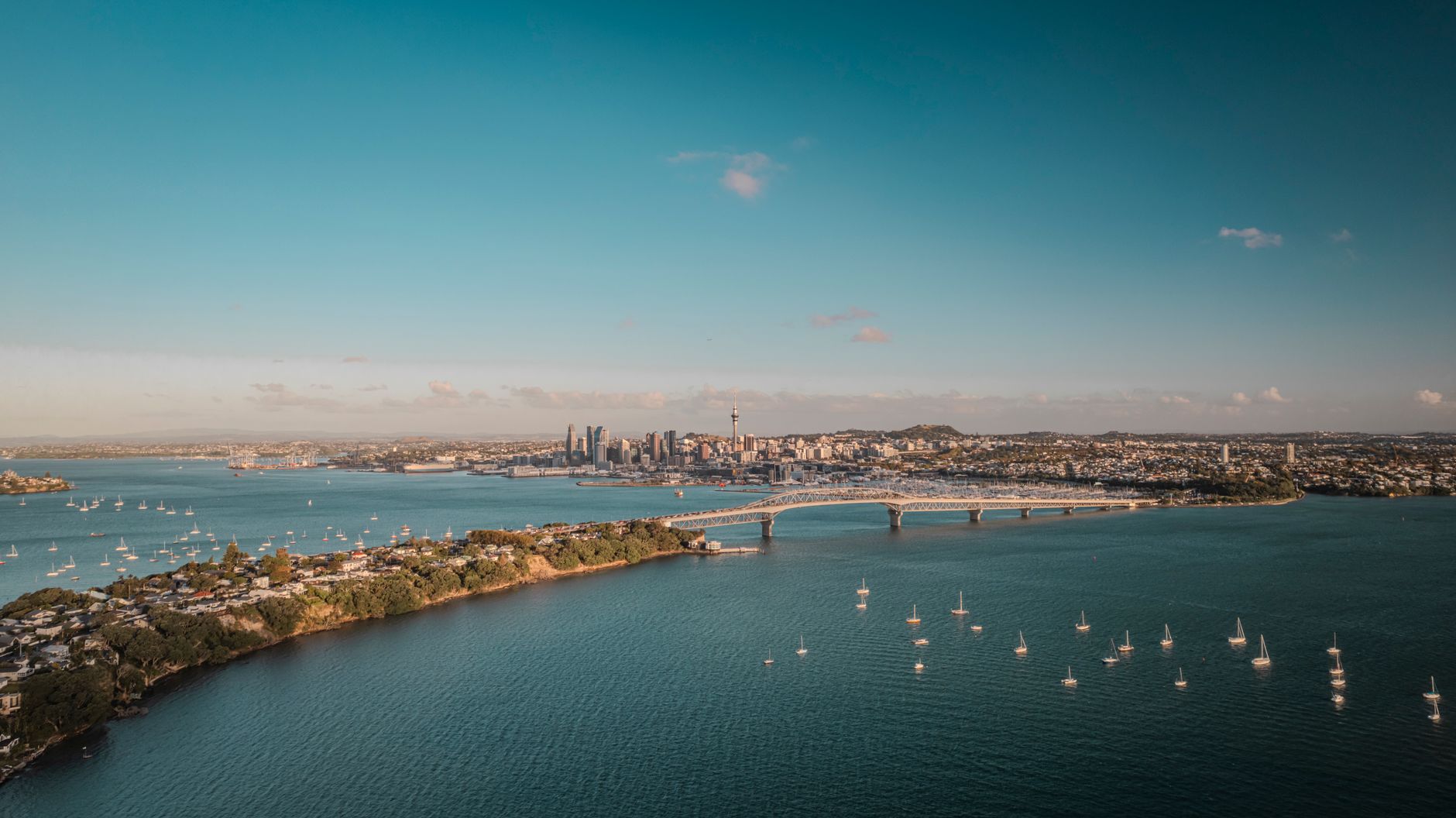
The Coalition Government has commissioned a fresh, Crown-led business case for Auckland's Second Waitematā Crossing in 2026, reopening the debate on tunnels, bridges, funding models, and the Meola Reef corridor.
Auckland commuters and transport industry stakeholders are once again looking across the Waitematā Harbour with renewed attention. In 2026, the Coalition Government officially ordered a new, Crown-led detailed business case to evaluate options for the long-awaited Second Waitematā Crossing. While previous proposals bounced between ambitious multi-tunnel mega-projects and rapid transit bridges, this latest directive resets the timeline to focus on economic viability, resilient freight capacity, and realistic execution.
Contrary to speculation, a definitive choice between an additional harbour bridge or an under-harbour tunnel network has not been finalized. Instead, the government’s new mandate shifts the planning framework away from earlier multi-billion-dollar design renders toward a rigorous financial and engineering reassessment. Key updates include:
Financing a mega-project of this scale remains the largest hurdle facing decision-makers in Wellington and Auckland. The refreshed business case is explicitly tasked with investigating alternative funding mechanisms to prevent total reliance on central government coffers. Options being examined include Public-Private Partnerships (PPPs), targeted value-capture levies along northern growth corridors, and congestion charging or tolling structures for cross-harbour traffic.
As part of the renewed study, engineers and marine environmentalists are re-examining western alignment corridors, including updated geotechnical surveys near Meola Reef (Te Tokaroa). While previous environmental impact assessments highlighted significant ecological sensitivities around the reef, modern low-impact tunneling technology and revised alignment routes are being reassessed to determine if a western connection could effectively relieve bottleneck pressure on the central harbour network.
As Auckland continues to expand northward toward the Rodney district, the pressure on cross-harbour infrastructure will only intensify. The delivery of this updated business case marks a crucial step toward establishing a clear, fundable, and durable strategy for Tāmaki Makaurau’s transport backbone over the coming decades.