Physical Address
304 North Cardinal St.
Dorchester Center, MA 02124
Physical Address
304 North Cardinal St.
Dorchester Center, MA 02124

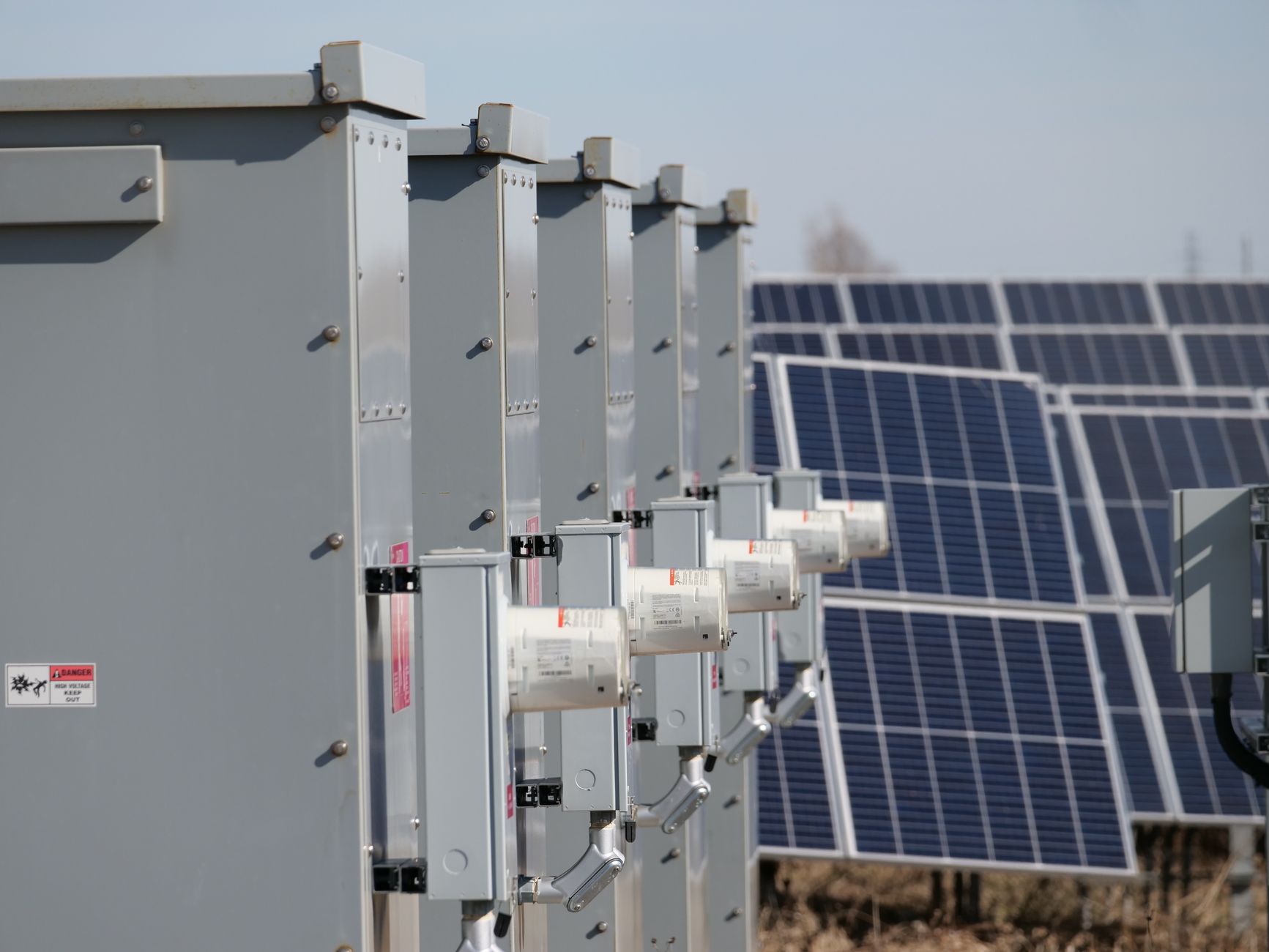
Explore the ultimate comparison between grid-scale battery storage and pumped hydro. Learn how frequency stabilization, duration limits, and grid reliability modeling shape the future of 100% renewable energy grids.
As nations across the globe—and right here in Aotearoa New Zealand—accelerate toward 100% renewable electricity targets, grid operators face an unprecedented engineering challenge. Transitioning away from thermal baseload generation like coal and gas eliminates the natural mechanical inertia that historically maintained system frequency. To prevent blackouts, modern power systems must integrate clean energy storage solutions capable of balancing variable wind and solar output. Two primary contenders dominate the conversation: grid-scale Battery Energy Storage Systems (BESS) and Pumped Storage Hydropower (PSH). While both technologies are critical to decarbonization, their operational profiles, economic structures, and roles in grid reliability modeling differ dramatically.
Grid stability relies on maintaining a tight frequency range (50 Hz in New Zealand and Europe, 60 Hz in North America). When a sudden loss of generation occurs, system frequency drops immediately. Historically, heavy spinning turbines in thermal power plants provided instantaneous physical inertia to slow this drop. In renewable-heavy grids, fast frequency response (FFR) must be injected synthetic or digitally.
Grid-scale battery storage, particularly lithium iron phosphate (LFP) systems equipped with advanced grid-forming inverters, excels exceptionally in sub-second response times. BESS units can inject or absorb power within milliseconds, effectively arresting frequency deviations before traditional mechanical assets can react. This ultra-fast response makes batteries ideal for secondary frequency control, synthetic inertia, and localized voltage support across distribution networks.
While battery energy storage excels in rapid-fire power delivery, it encounters stark duration limitations. Most utility-scale lithium-ion battery installations are economically optimized for 2-hour to 4-hour discharge windows. Beyond four hours, the capital expenditure scales linearly with each added kilowatt-hour, making multi-day storage economically unfeasible with current chemical technology.
Conversely, pumped storage hydropower remains the undisputed heavyweight champ of long-duration energy storage (LDES). Pumped hydro works by moving water between two reservoirs at different elevations; during periods of low demand or high renewable generation, excess power pumps water to the upper reservoir, releasing it through turbines during peak demand. PSH facilities regularly offer continuous energy discharge spanning 8 to 24 hours or longer, providing multi-day capacity reserves essential during extended windless, overcast periods (known as Dunkelflaute).
Comparing the economics of BESS and PSH requires analyzing upfront capital intensity, project lifecycle, and development velocity:
Modern power system planners no longer view BESS and pumped hydro as direct competitors, but as complementary layers in a holistic grid architecture. Advanced grid reliability modeling shows that a fully decarbonized grid operates most efficiently when leveraging both assets according to their strengths.
For New Zealand and other islanded grid networks balancing ambitious clean energy goals with energy security, the future lies in orchestrating these technologies in tandem. By combining the immediate agility of battery storage with the long-lasting endurance of pumped hydro, energy operators can build a resilient, 100% renewable grid built to withstand the demands of the modern era.