Physical Address
304 North Cardinal St.
Dorchester Center, MA 02124
Physical Address
304 North Cardinal St.
Dorchester Center, MA 02124

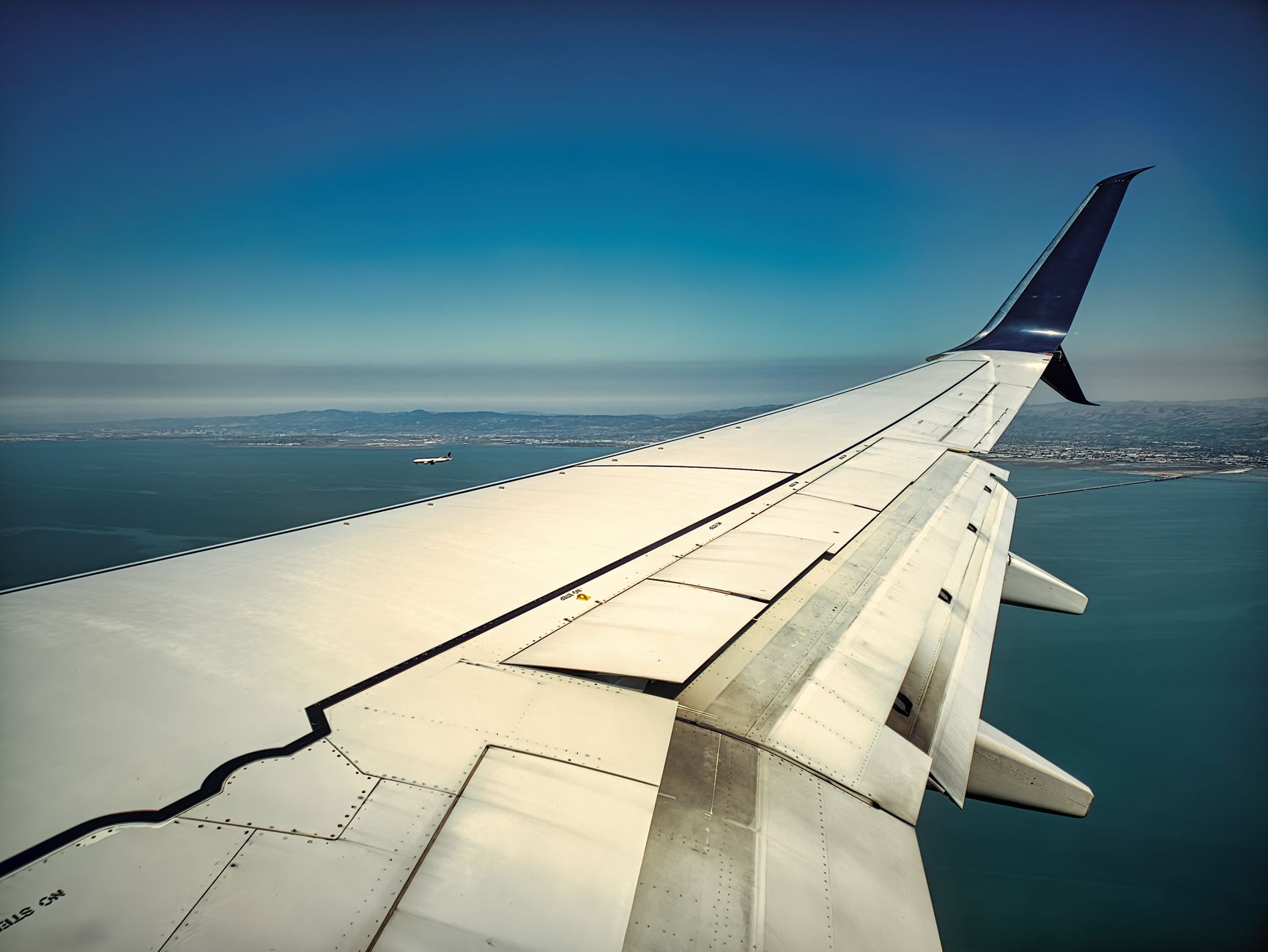
Blended-wing body aircraft promise up to 50% lower fuel burn and expanded range. Could this revolutionary design solve New Zealand's ultra-long-haul isolation?
For a nation situated at the edge of the globe, aviation is more than a luxury; it is New Zealand’s vital link to international trade, tourism, and global connectivity. Long-haul travel from Auckland to West Coast North America or East Asia routinely stretches modern twin-engine jets to their efficiency limits. Enter the blended-wing body (BWB) aircraft—a radical departure from the traditional tube-and-wing layout that fuses the fuselage and wing into a single aerodynamic shape. Promising up to 50 percent lower fuel consumption and significantly extended range, BWB tech could fundamentally transform trans-Pacific connectivity.
Trans-Pacific oceanic routes present unique geographical challenges, requiring aircraft capable of enduring 12 to 16 hours in the air while retaining adequate reserve fuel. The aerodynamic lift generated by a blended wing allows aircraft to fly farther on equivalent fuel loads compared to traditional jets like the Boeing 787 or Airbus A350. By drastically reducing aerodynamic drag and structural weight, BWB jets make ultra-long-haul routes—such as direct Auckland to South America or direct connections across deep Pacific island nations—far more economically viable for commercial airlines.
The interior architecture of a BWB aircraft creates unprecedented cabin volume, completely reinventing airline economics:
If carriers serving the Pacific adopt blended-wing jets, Auckland Airport could reinforce its position as the premier aviation hub of the South Pacific. However, the wider wingspans of BWB aircraft will require upgrades to taxiways, gate configurations, and boarding bridges. National carriers like Air New Zealand, renowned for pioneering long-haul cabin innovations, could leverage the BWB platform to redefine luxury and economy passenger experiences alike across trans-Pacific routes.
Despite the immense promise, widespread adoption remains a decade or more away. Aerospace innovators like JetZero and NASA are currently proving concept models, but regulatory certification, emergency evacuation testing for extra-wide cabins, and airport gate adaptation represent hurdles that must be overcome before travelers can board a BWB flight out of Auckland.