Physical Address
304 North Cardinal St.
Dorchester Center, MA 02124
Physical Address
304 North Cardinal St.
Dorchester Center, MA 02124

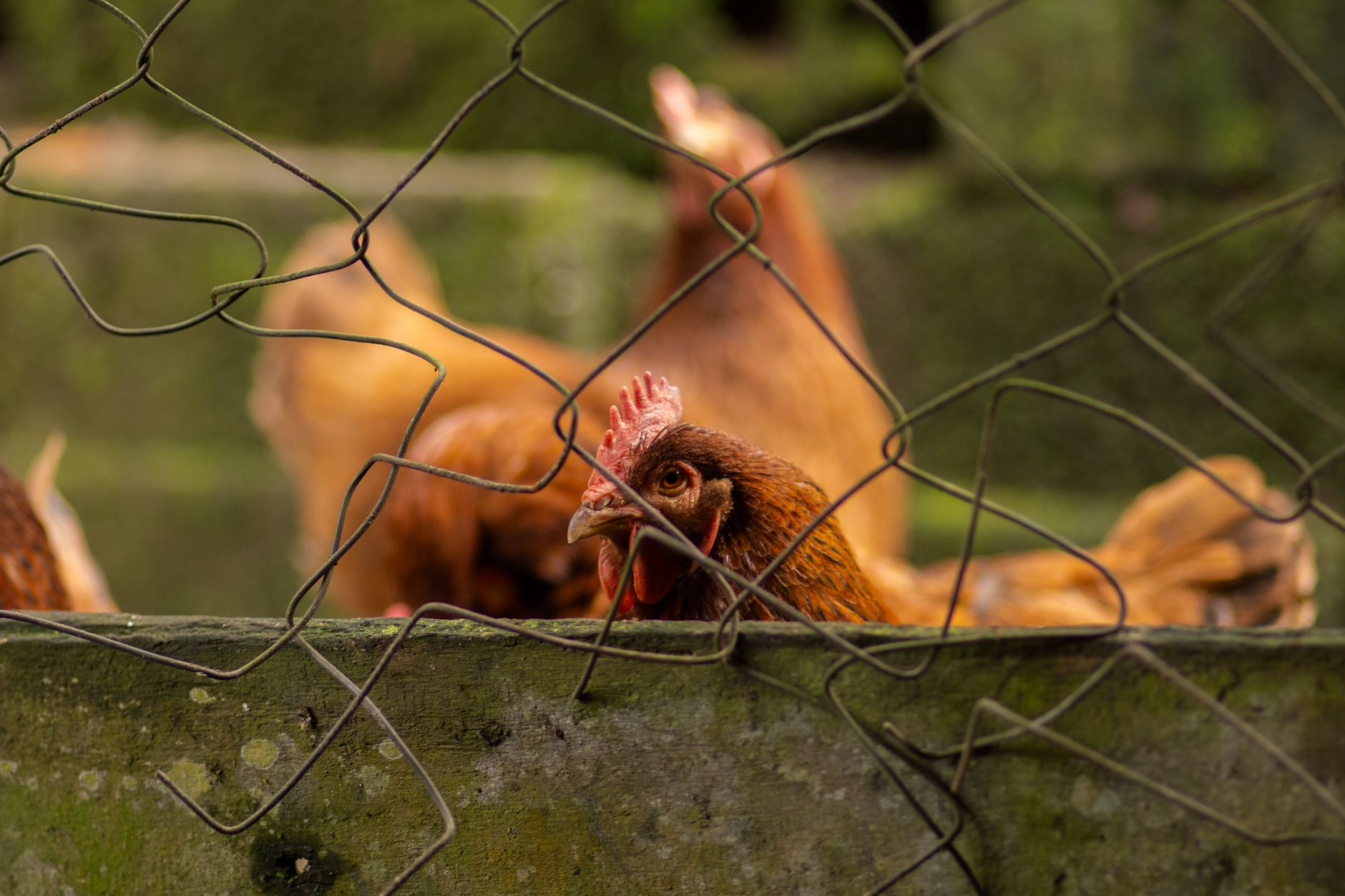
New Zealand remains on high alert against H5N1 avian flu. Learn how MPI protocols, farm biosecurity, and egg supply chain defenses protect Aotearoa's poultry industry.
As global outbreaks of high pathogenicity avian influenza (HPAI), particularly the H5N1 strain, continue to affect wildlife and livestock across North America, Europe, and neighboring regions, New Zealand stands as one of the few nations free from the virus. However, biosecurity authorities are far from complacent. The Ministry for Primary Industries (MPI), alongside commercial poultry producers and wild bird experts, maintains an intense biosecurity watch to safeguard farm welfare and secure national egg supply chains.
The defense against avian flu in Aotearoa relies on stringent surveillance protocols led by MPI in partnership with the Department of Conservation (DOC) and the poultry industry. Recognizing that migratory wild birds present a primary transmission path, targeted monitoring is actively conducted across key wetland habitats and commercial zones.
Commercial egg and poultry farms across Auckland, Waikato, Canterbury, and other primary farming hubs have elevated their operational biosecurity. Key actions include strict visitor controls, mandatory vehicle sanitation bays, and single-use protective clothing for all farm technicians.
Because wild birds can contaminate surface water, commercial operators are encouraged to utilize treated municipal water or enclosed underground bores. Feed storage systems are engineered to be entirely bird- and rodent-proof to eliminate point-of-contact risks.
Remembering past egg supply fluctuations in Aotearoa, sector stakeholders recognize that an avian influenza detection could impact supermarket shelves if unmanaged. By implementing zoned farm management, staggered housing strategies, and regional supply chain redundancy, the poultry sector works to insulate Kiwi households from potential market disruptions.
Biosecurity preparedness is a collective responsibility. Backyard chicken owners across New Zealand are urged to practice good coop hygiene, keep feed and water covered from wild birds, and report any sudden or unusual bird sickness to the MPI Exotic Pest and Disease Hotline on 0800 80 99 66.