Physical Address
304 North Cardinal St.
Dorchester Center, MA 02124
Physical Address
304 North Cardinal St.
Dorchester Center, MA 02124

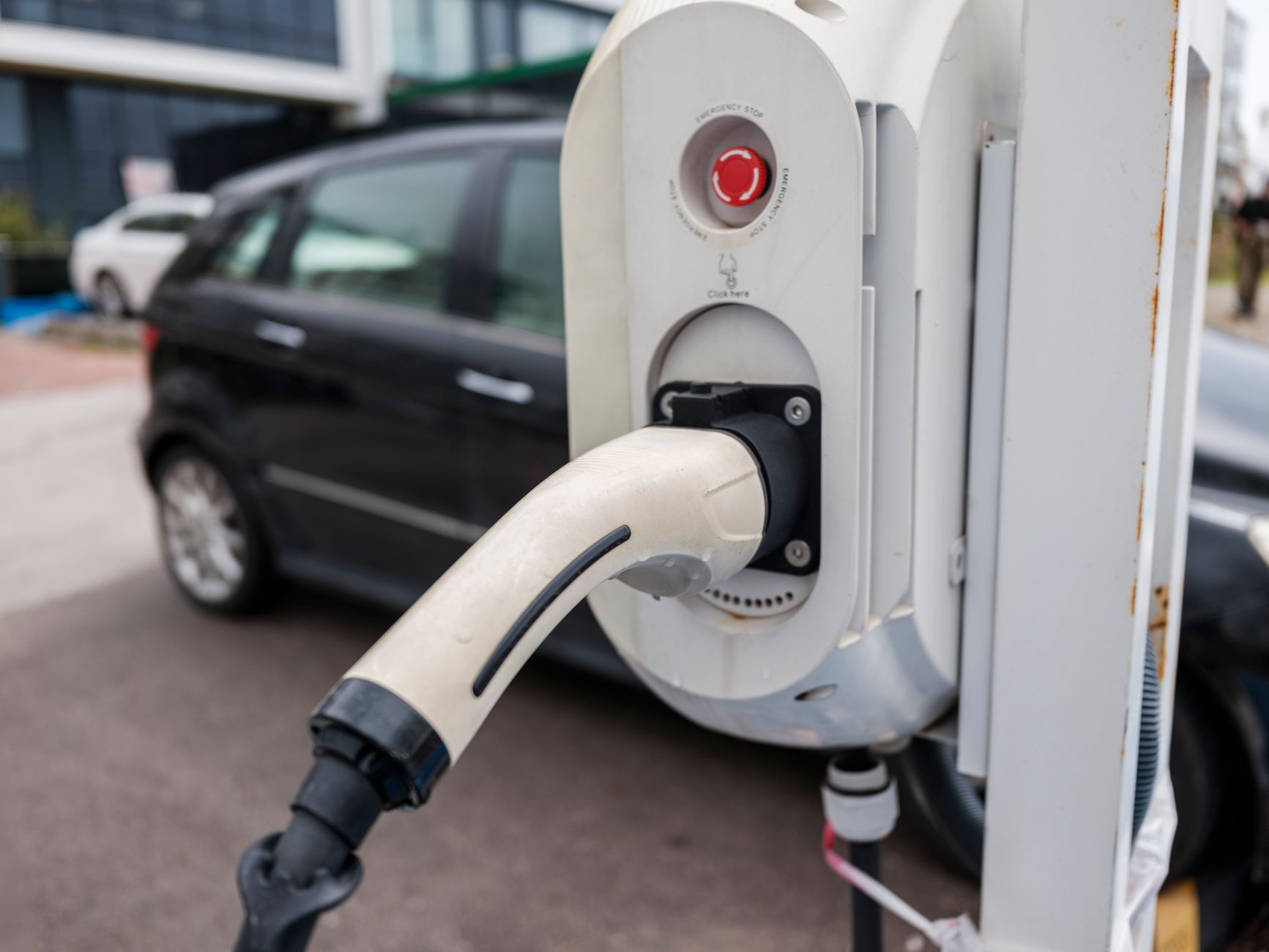
New Zealand retains the Clean Vehicle Standard with major adjustments taking effect in 2028. Here is how separate targets and recalibrated penalties impact Japanese import, hybrid, and EV prices.
< h2> New Zealand Retains Clean Vehicle Standard with Refined 2028 Roadmap
< p> In a significant decision for the country’s automotive sector, the New Zealand Government has confirmed the retention of the Clean Vehicle Standard (CVS), while announcing critical adjustments set to take effect on 1 January 2028. Designed to regulate vehicle importers rather than individual buyers, the updated policy balances decarbonisation ambitions with market realities, offering long-term policy continuity for the motor industry.
< h2> Key Policy Shift: Separate Emission Targets for Used Imports
< p> One of the most notable modifications in the revised standard is the establishment of distinct emission reduction trajectories for brand-new vehicles and used imported cars. Historically, aggressive blanket targets disproportionately impacted used import dealers who rely heavily on Japanese domestic market supply.
< p> By splitting the targets, the policy acknowledges the structural constraints of overseas second-hand markets. Used imports—primarily sourced from Japan—will face tailored CO2 g/km limits that reflect realistic inventory availability while still driving gradual fuel efficiency improvements across the nation’s fleet.
< h2> Recalibrated Penalty Charges and Compliance Costs
< p> To avoid sudden price shocks for everyday Kiwi consumers, the government has recalibrated the financial penalty structures for importers exceeding fleet emissions targets. The adjusted rate structure aims to discourage high-emitting vehicles without forcing popular family models off the market entirely.
< ul>< li>< strong> Adjusted Penalty Rates: Importers face revised per-gram penalty rates, lowering immediate pass-through costs onto vehicle sticker prices.
< li>< strong> Flexible Banking Mechanisms: Suppliers can offset emissions over expanded multi-year windows, smoothing out market disruptions.
< li>< strong> Focus on Fleet Balancing: Importers gain more leeway to balance high-efficiency models against higher-emitting utility vehicles.
< h2> Price Implications for Japanese Imports, Hybrids, and EVs
< p> What does this mean for Kiwis shopping for a car from 2028 onwards? While the policy adjustments cushion the market against drastic spikes, price dynamics will inevitably shift across different powertrain categories.
< h3> 1. Japanese Second-Hand Imports
< p> Japanese import prices are expected to remain relatively stable compared to original projections under earlier policy iterations. With separate target curves, popular compact hatchbacks and moderate-efficiency Japanese imports will avoid exorbitant penalty surcharges, preserving affordable options for budget-conscious buyers.
< h3> 2. Hybrid and Plug-in Hybrid Vehicles (PHEVs)
< p> Hybrids emerge as the clear sweet spot under the 2028 recalibration. Combining low emissions with realistic market supply, petrol-hybrids will help importers meet compliance thresholds effortlessly. Consequently, hybrids are projected to command an even larger market share in New Zealand urban centers like Auckland and Wellington.
< h3> 3. Battery Electric Vehicles (BEVs)
< p> Pure electric vehicles will remain crucial for importers looking to offset lingering high-emission stock. While direct EV subsidies under the previous Clean Vehicle Discount are gone, the underlying CVS mandates ensure distributors continue bringing competitive, well-priced EV models into the country to maintain their overall fleet averages.
< h2> Looking Ahead to 2028
< p> For New Zealand car buyers, the retention and recalibration of the Clean Vehicle Standard delivers much-needed clarity. By aligning environmental goals with commercial supply chains, the 2028 framework aims to keep low-emission mobility accessible without sacrificing buyer choice or crippling import supply lines.