Physical Address
304 North Cardinal St.
Dorchester Center, MA 02124
Physical Address
304 North Cardinal St.
Dorchester Center, MA 02124

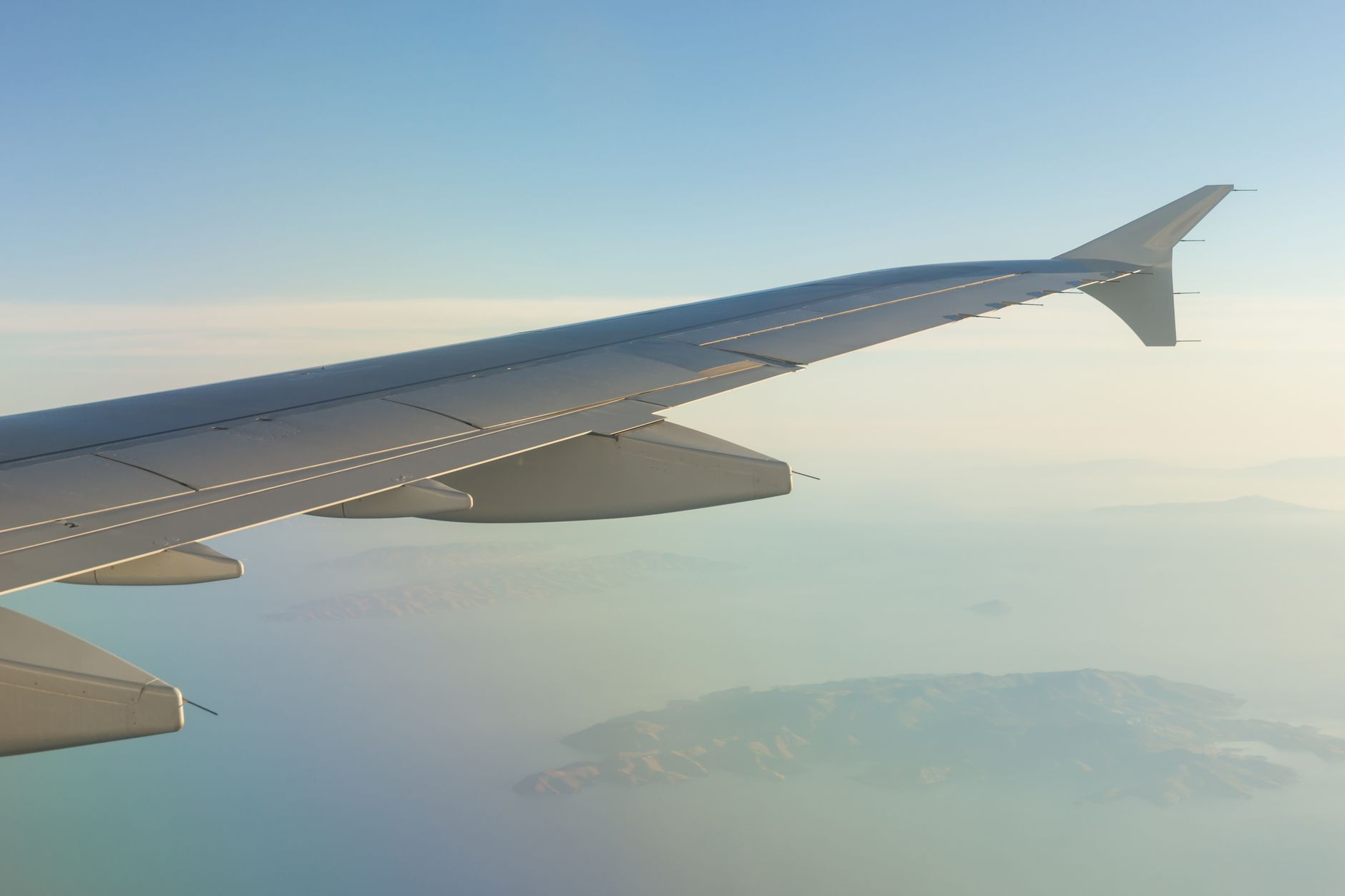
Blended-Wing Body aircraft promise revolutionary aerodynamic efficiency and range. Could this aviation innovation solve the challenges of trans-Pacific travel to New Zealand?
For decades, New Zealand’s remote position at the edge of the South Pacific has meant that ultra-long-haul travel is a vital lifeline rather than a luxury. Operating routes like Auckland to Los Angeles or Santiago requires aircraft capable of enduring vast oceanic expanses while keeping fuel burn and carbon footprints manageable. While incremental improvements in traditional tube-and-wing aircraft have pushed range boundaries, a radical architectural shift is on the horizon: the Blended-Wing Body (BWB) jet.
Unlike conventional airplanes that attach wings to a cylindrical fuselage, blended-wing designs integrate the body and wings into a single, seamless aerodynamic lifting surface. This structural integration drastically reduces aerodynamic drag and structural weight. Key advantages include:
Trans-Pacific oceanic routes present unique challenges, demanding exceptional endurance and high reliability over deep water. The superior aerodynamic efficiency of BWB aircraft allows for extended flight ranges without sacrificing payload capacity. For Auckland hub connectivity, this means non-stop flights to North American and Asian destinations could become significantly more economical, opening up direct connections to secondary hubs that were previously financially unviable for long-haul carriers.
From an airline economics perspective, BWB aircraft offer unprecedented seat-mile efficiency. The ultra-wide fuselage allows for unique cabin configurations, distributing passengers across a broader floor plan rather than a long, narrow tube. This opens up opportunities for:
For travellers flying out of Auckland International Airport, BWB jets could drastically mitigate the cost of long-distance travel while offering an entirely new onboard experience. The wider cabin dynamic allows for better air circulation and pressure management, potentially reducing jet lag on 12-plus hour flights across the Pacific.
Startups such as JetZero, alongside aerospace giants and NASA, are aggressively developing prototype BWB aircraft targeting commercial service entry in the late 2030s. However, integrating BWB aircraft into existing airport infrastructure like Auckland Airport will require adaptations in gate geometry and ground support systems. As aviation marches toward net-zero targets, blended-wing jets may serve as the ultimate bridge combining extreme range, unmatched seat economics, and sustainable long-haul travel across the Pacific.